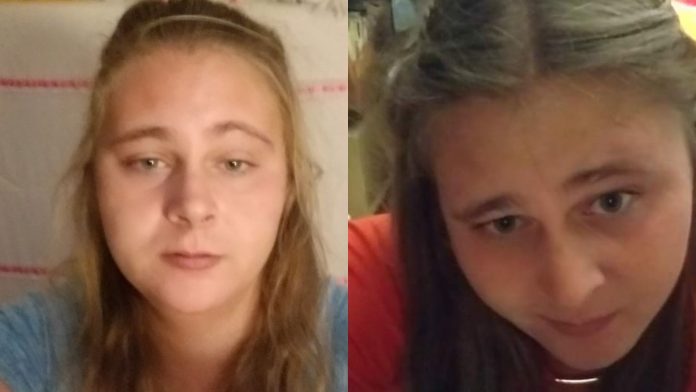
Cassidy Honsinger: The Violent Trans-Identified Male Who Stabbed a Teenage Stranger and Served His Sentence Among Women
GIVEN NAME:
Christopher Honsinger
ALIAS:
Cassidy Honsinger
DATE:
10-Sep-22
LOCATION:
Cornwall, Ontario
Cassidy Honsinger stabbed a seventeen-year-old girl repeatedly with a steak knife in a public park in Cornwall, Ontario on September 10, 2022, then walked home and disposed of the knife in a sewer drain. Sentenced to two years in federal prison, he served a portion of his sentence at Grand Valley Institution for Women — where female inmates were reportedly "walking on eggshells" — before being released on statutory parole in September 2024.
Full Story
On September 10, 2022, a seventeen-year-old girl was sitting with a friend in a park in Cornwall, Ontario. She saw a man riding a bike nearby. She called out to him. For reasons that were never fully established, that exchange ended with Cassidy Honsinger pulling a steak knife from his person and stabbing the girl repeatedly.
Honsinger then walked calmly home. He left the park on foot, exited his residence shortly after, and disposed of the knife in a sewer drain on the street. Witnesses saw him do it. Police arrived, arrested him, and retrieved the knife from the drain.
Honsinger was twenty-nine years old. He had been diagnosed with schizophrenia, Post-Traumatic Stress Disorder, Anti-Personality Disorder, anxiety, borderline intellectual functioning, and Cannabis Use Disorder. He had a prior criminal record that included a "not criminally responsible" designation for strangling his own mother four times. His Parole Board documents recorded that when not properly medicated, he became "paranoid," experienced "auditory and visual hallucinations," and became "violent toward others and property." He had expressed threats of violence and death to others.
He was sentenced to two years in federal prison.
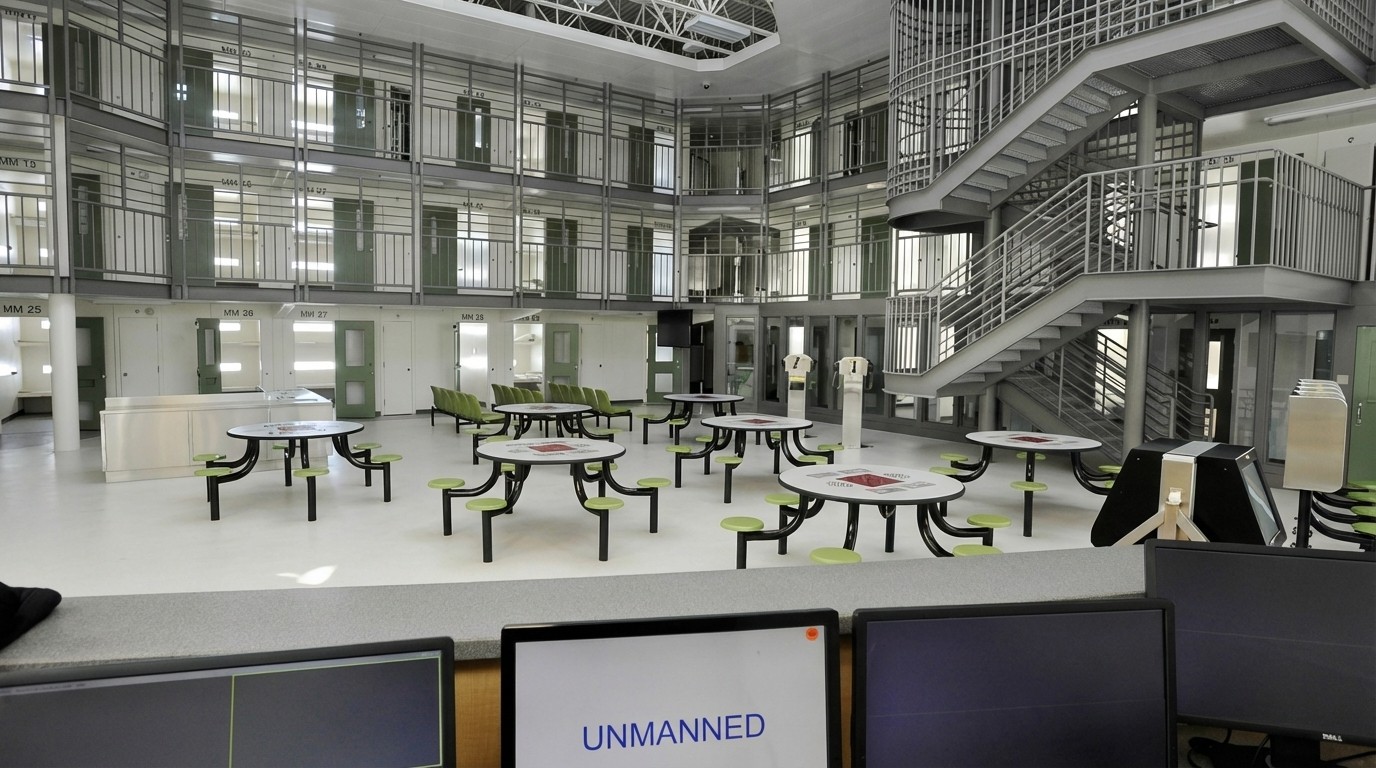
He served a portion of that sentence at Grand Valley Institution for Women in Kitchener, Ontario — Canada's largest federal women's prison — where, according to a source reported by Heather Mason, female inmates were "walking on eggshells" around him.
He was released on statutory parole in September 2024.
The Attack — September 10, 2022
The Victim and the Setting
The attack occurred in a public park in Cornwall, a city of approximately fifty thousand people in eastern Ontario, near the Quebec border. The victim — a seventeen-year-old girl — was in the park with a friend. She had no prior interactions with Honsinger and no relationship with him of any kind.
According to Parole Board of Canada documents reviewed by Reduxx, the girl saw Honsinger riding his bicycle near where she was sitting and called out to him. The circumstances that prompted her to do so and the nature of the exchange are not described in the available public record. What is documented is what Honsinger did next.
The Stabbing
Honsinger approached the girl, produced a steak knife, and stabbed her repeatedly.
The attack was witnessed. Police were called immediately. The Parole Board documents record the incident without ambiguity: Honsinger approached a stranger, pulled a weapon, and used it.
After the attack, Honsinger did not flee. He walked from the park to his nearby home at a casual pace. He exited the residence shortly after and disposed of the knife in a street sewer drain, in view of witnesses. He was arrested shortly afterward. The knife was retrieved from the drain.
The clinical deliberateness of Honsinger's conduct after the attack — the calm walk home, the deliberate disposal of the weapon — stands in contrast to any characterization of the incident as a purely uncontrolled psychotic episode. Honsinger understood enough about what had happened to attempt to destroy the evidence.
Criminal History and Mental Health Record
The 2014 "Not Criminally Responsible" Designation
The Cornwall stabbing was not Honsinger's first serious violent offence. In 2014, he was charged with four counts of assault after strangling his own mother. The court applied a "not criminally responsible" (NCR) designation — a finding under Section 16 of the Criminal Code that the accused committed the acts but, due to a mental disorder, was not able to appreciate the nature of the act or know that it was wrong.
The NCR designation resulted in Honsinger being directed to the mental health system rather than the criminal justice system for that set of offences. It was a significant legal determination: a court found, on the basis of evidence and psychiatric assessment, that Honsinger was capable of serious violence against people close to him and that his mental disorder was causally connected to that violence.
The 2022 park stabbing occurred eight years after that finding. The psychiatric conditions that led to the NCR designation were, by the time of the Cornwall attack, matters of established clinical record.
Psychiatric Diagnoses
The Parole Board of Canada documents reviewed by Reduxx in connection with the Cornwall case list Honsinger's formal diagnoses: schizophrenia; anxiety disorder; Post-Traumatic Stress Disorder; Anti-Personality Disorder — a pattern of disregard for and violation of the rights of others; borderline intellectual functioning; Cannabis Use Disorder (possibly in remission at time of assessment); and Attention Deficit Disorder.
The Parole Board documents state explicitly that when Honsinger is not on medication, he becomes "paranoid, experiences auditory and visual hallucinations, and becomes violent toward others and property." The documents further note that he has expressed threats of violence and death to others.
Anti-Personality Disorder is clinically significant in the context of risk assessment: it describes a persistent pattern of behaviour that includes aggression, reckless disregard for others' safety, consistent irresponsibility, and lack of remorse. It is not a condition that resolves with medication in the way that schizophrenia symptoms can be managed. In combination with schizophrenia and a documented history of violence, it represents a complex and serious risk profile.
Medication Compliance and Violence
The Parole Board documents make clear that Honsinger's violence is directly linked to medication non-compliance. When properly medicated, the symptoms of his schizophrenia — including paranoia and hallucinations — are managed. When he stops or reduces his medication, those symptoms return, and violence follows.
The 2014 assault on his mother occurred during a period of psychiatric deterioration. The Cornwall stabbing occurred in 2022. The pattern documented across both incidents — of an individual with serious psychiatric diagnoses and a history of violence becoming dangerous when medication is not maintained — was available to any corrections official making decisions about Honsinger's placement.
Sentence and Institutional Placement
The Two-Year Federal Sentence
Honsinger was sentenced to two years in federal prison for aggravated assault in connection with the Cornwall stabbing. A two-year sentence triggers federal jurisdiction — sentences of two years or more are served in Correctional Service Canada facilities rather than provincial institutions.
During the sentencing hearing, Honsinger's prior "not criminally responsible" designation for the 2014 assault on his mother was raised, along with his extensive mental health history. The sentence of two years — the minimum for federal jurisdiction — reflected both the severity of the attack and the mental health context presented by the defence.
Psychiatric Hospital Detention in Quebec
Before arriving at Grand Valley Institution for Women, Honsinger had been held at a psychiatric hospital in Quebec, according to information provided to Heather Mason by sources familiar with his case. The psychiatric detention reflects the clinical complexity of managing an individual with Honsinger's diagnoses and history within a standard correctional setting — and raises the question of what assessment determined that transfer to a federal women's prison was the appropriate next step.
Housing at Grand Valley Institution for Women
Heather Mason, a former federal prisoner at Grand Valley and caWsbar board member who advocates for the rights of incarcerated women, was first informed of Honsinger's presence at Grand Valley in the fall of 2023. A source at the institution told Mason that female inmates were "walking on eggshells" around Honsinger.
The specific nature of the incidents or dynamics that created that atmosphere at Grand Valley has not been publicly documented in detail. What is documented is the effect his presence had on the population: a heightened, sustained anxiety among women already incarcerated in one of Canada's most scrutinized federal institutions.
Grand Valley is a campus-style facility. Inmates in the same housing unit share living spaces, meals, and common areas. The close-proximity living arrangement that makes Grand Valley distinct from higher-security facilities also means that the presence of a volatile individual with Honsinger's diagnosis profile and history of unpredictable violence is felt acutely by everyone around him.
Honsinger's parole documents indicate a statutory release after completing two-thirds of his two-year sentence, meaning he served approximately sixteen months before release — a portion of which was spent at Grand Valley.
Release on Parole — September 2024
Statutory Release and Public Safety Concerns
Statutory release occurs automatically in Canada after an inmate has served two-thirds of their sentence, unless the Parole Board of Canada determines that the inmate is likely to commit an offence causing death or serious harm before the end of the sentence. It is not a discretionary grant of parole — it is a legal entitlement that applies unless specific criteria for detention are met.
Honsinger was released on statutory parole in September 2024. On his release, Heather Mason publicly raised concerns about the safety of those around him.
"Based on my opinion, he poses a substantial risk to others due to his violent past, including altercations with his mother, correctional officers, and community health professionals," Mason stated. "Additionally, his history reveals non-compliance with community supervision and an extended psychiatric hospital stay, where he struggled with medication adherence and exhibited recurrent violent behavior."
The concern Mason identified — medication non-compliance in a community setting — is clinically central to Honsinger's risk profile. In institutional settings, medication administration can be monitored. In the community, compliance depends on the individual. For a person whose documented pattern is to become paranoid, hallucinatory, and violent when not medicated, the transition to community supervision represents a significant risk management challenge.
What Parole Supervision Requires
Statutory release comes with conditions set by the Parole Board. For an individual with Honsinger's diagnosis profile and history, those conditions typically include requirements to maintain contact with a supervisor, reside at an approved address, and comply with medication or treatment requirements. Violations of those conditions can result in return to custody.
The effectiveness of those conditions depends on supervision resources, on Honsinger's willingness to comply, and on the speed with which violations are identified and acted upon. His prior history — including the NCR designation for offences committed in the community and the psychiatric hospital detention during this sentence — does not provide a strong foundation for confidence in sustained community compliance.
The Policy Failures This Case Illustrates
Transfer Decision-Making
The decision to house Cassidy Honsinger at Grand Valley Institution for Women was made by Correctional Service Canada under the framework of Commissioner's Directive 100. That decision was made with full knowledge of Honsinger's diagnosis history, his prior NCR designation for violence against his own mother, and his psychiatric hospital detention earlier in the same sentence.
CSC knew, when it transferred Honsinger to Grand Valley, that it was placing an individual diagnosed with schizophrenia and Anti-Personality Disorder — with a documented history of unpredictable violence and threats of death — into a residential campus setting with women who had their own histories of trauma and victimization.
The justification for that placement, under CD-100, was gender identity. Honsinger's self-declared identity as a woman was treated as the operative criterion for institutional placement. His clinical risk profile, his diagnosis history, and his history of violence were factors to be weighed against that identity claim — but the framework's presumption is in favour of transfer unless "overriding health or safety concerns which cannot be resolved" can be demonstrated.
Female inmates "walking on eggshells" suggests that the resolution of those concerns, whatever it looked like on paper, did not produce safety in practice.
The Sentence Length and Federal Jurisdiction
It is worth noting the precise mechanism by which Honsinger ended up in a federal women's prison. His sentence of exactly two years triggered federal jurisdiction by the minimum threshold. Federal sentences are served in CSC facilities subject to CD-100. A sentence of twenty-three months would have resulted in provincial jurisdiction, where different policies apply.
This is not to suggest the sentence was calibrated to produce a federal placement — there is no evidence of that. But it illustrates how the interaction between sentence length and federal corrections policy determines which institutional framework applies to a given individual, and therefore whether gender identity-based placement in a women's prison is available.
The Women at Grand Valley
The women who shared Grand Valley with Honsinger during his sentence did not choose to live alongside a person with his diagnosis profile and history. They had no mechanism to meaningfully object to his presence without risk to their own parole prospects. They adjusted — walking on eggshells — because that was the only option available to them.
Those women are identified nowhere in this case's public record. Their experiences at Grand Valley during Honsinger's time there are not documented in any public Parole Board decision or CSC report. They are the silent category in a case that is otherwise thoroughly documented: the people whose safety was subordinated to a placement policy, and who received no accounting for what that subordination cost them.
Conclusion
Cassidy Honsinger stabbed a teenage stranger in a public park. He walked home. He disposed of the knife. He was arrested, convicted, and sentenced to two years in a federal institution.
He served a portion of that sentence at Grand Valley Institution for Women, among female inmates who described living in fear of him. He was released on statutory parole in September 2024 — back into the same community where, two years earlier, he had stabbed a seventeen-year-old girl who had done nothing more than call out to him from a park bench.
The case raises no novel legal questions. The law operated as it was designed to operate: federal sentence, federal placement under CD-100, statutory release after two-thirds of the term. Everything proceeded according to the rules.
The question the case raises is whether the rules are adequate — whether a framework that places a schizophrenic male with a history of unpredictable violence and an NCR designation in a residential campus with traumatized women has calibrated the balance between competing interests correctly. The women walking on eggshells at Grand Valley in the fall of 2023 would likely have a view on that question. They have not been asked.
Timeline
2014: Charged with four counts of assault for strangling his own mother; designated "not criminally responsible" (NCR) due to mental disorder; directed to mental health system
2014 onward: Diagnosed with schizophrenia, anxiety, PTSD, Anti-Personality Disorder, borderline intellectual functioning, ADHD, and Cannabis Use Disorder; documented to become paranoid, hallucinatory, and violent when not medicated
September 10, 2022: Approached a seventeen-year-old girl sitting in a public park in Cornwall, Ontario; produced a steak knife and stabbed her repeatedly; the girl had no prior relationship with Honsinger
September 10, 2022 (after attack): Walked calmly home from the park; exited residence and disposed of knife in a street sewer drain in view of witnesses; arrested shortly after; knife retrieved from drain
2022–2023: Charged with aggravated assault; prosecuted in Cornwall
2023: Sentenced to two years in federal prison — the minimum threshold for federal jurisdiction
During sentence: Held at a psychiatric hospital in Quebec before federal transfer
Fall 2023: Transferred to Grand Valley Institution for Women, Kitchener, Ontario; female inmates reported "walking on eggshells" around him; Heather Mason alerted by source at the institution
September 2024: Released on statutory parole after serving approximately two-thirds of his two-year sentence; Heather Mason publicly raised safety concerns on his release citing medication non-compliance history and risk of violence
References
Reduxx (September 13, 2024). "EXCLUSIVE: Violent Transgender Inmate Released On Parole After Quietly Serving His Sentence In A Women's Prison In Canada." https://reduxx.info/exclusive-violent-transgender-inmate-released-on-parole-after-quietly-serving-his-sentence-in-a-womens-prison-in-canada/
Parole Board of Canada documents reviewed by Reduxx, as cited in September 2024 Reduxx reporting on Cassidy Honsinger.
Criminal Code, RSC 1985, c C-46, s 16 (not criminally responsible): https://laws-lois.justice.gc.ca/eng/acts/c-46/
Criminal Code, RSC 1985, c C-46, s 268 (aggravated assault): https://laws-lois.justice.gc.ca/eng/acts/c-46/
Corrections and Conditional Release Act, SC 1992, c 20, s 127 (statutory release): https://laws-lois.justice.gc.ca/eng/acts/C-44.6/
Correctional Service Canada, Commissioner's Directive 100: Gender Diverse Offenders (in effect May 9, 2022): https://www.canada.ca/en/correctional-service/corporate/acts-regulations-policy/commissioners-directives/100.html
Mason, Heather (June 22, 2021). "Brief to The Standing Committee on Public Safety and National Security." https://www.ourcommons.ca/Content/Committee/432/SECU/Brief/BR11468302/br-external/MasonHeather-e.pdf
Canadian Women's Sex-Based Rights (caWsbar): https://cawsbar.ca/
text
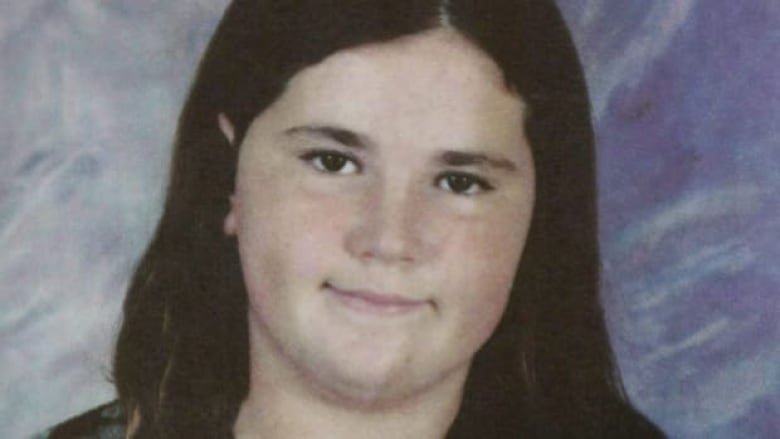
Ashley Smith: The Teenager Who Died in a Women's Prison While Guards Watched. What Her Death Still Tells Us About How Canada Treats Its Most Vulnerable Women
Ashley Smith, nineteen years old and originally sentenced for throwing crab apples at a postal worker at age fifteen, died by self-inflicted strangulation in a segregation cell at Grand Valley Institution for Women in Kitchener, Ontario on October 19, 2007, while guards stood outside her cell under orders from senior staff not to enter as long as she was breathing. A five-woman coroner's jury ruled her death a homicide in December 2013 and issued 104 recommendations to reform women's federal corrections. The majority were rejected or ignored by the Correctional Service of Canada.
text
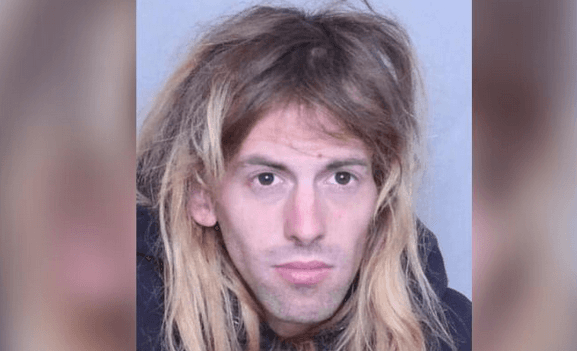
Cody D'Entremont: The Man Who Identified as a Woman to Enter a Windsor Shelter, Identified as a Cat Afterward, Was Acquitted Despite a Credible Victim, and Then Faced Three More Sexual Assault Charges
Cody D'Entremont, identifying as a woman named Desiree Anderson, gained access to the Welcome Centre Shelter for Women and Families in Windsor, Ontario and on March 26, 2023 climbed into a female resident's bed and sexually assaulted her. He was charged, tried, and acquitted in August 2024 after the judge found the victim credible but not reliable. Between the original charge and the acquittal he violated bail conditions with additional assault charges, and in April 2025 faced three new sexual assault charges.