Catherine Lynn: The Man Who Murdered a Woman and Raped Her Corpse — Then Told the Parole Board He Wanted to Watch How Women "Walked, Talked, and Acted"

GIVEN NAME:
Not confirmed in public record
ALIAS:
Catherine Lynn
DATE:
September 1995 (murder); April 2022 (parole denied); September 2022 (confirmed at Grand Valley)
LOCATION:
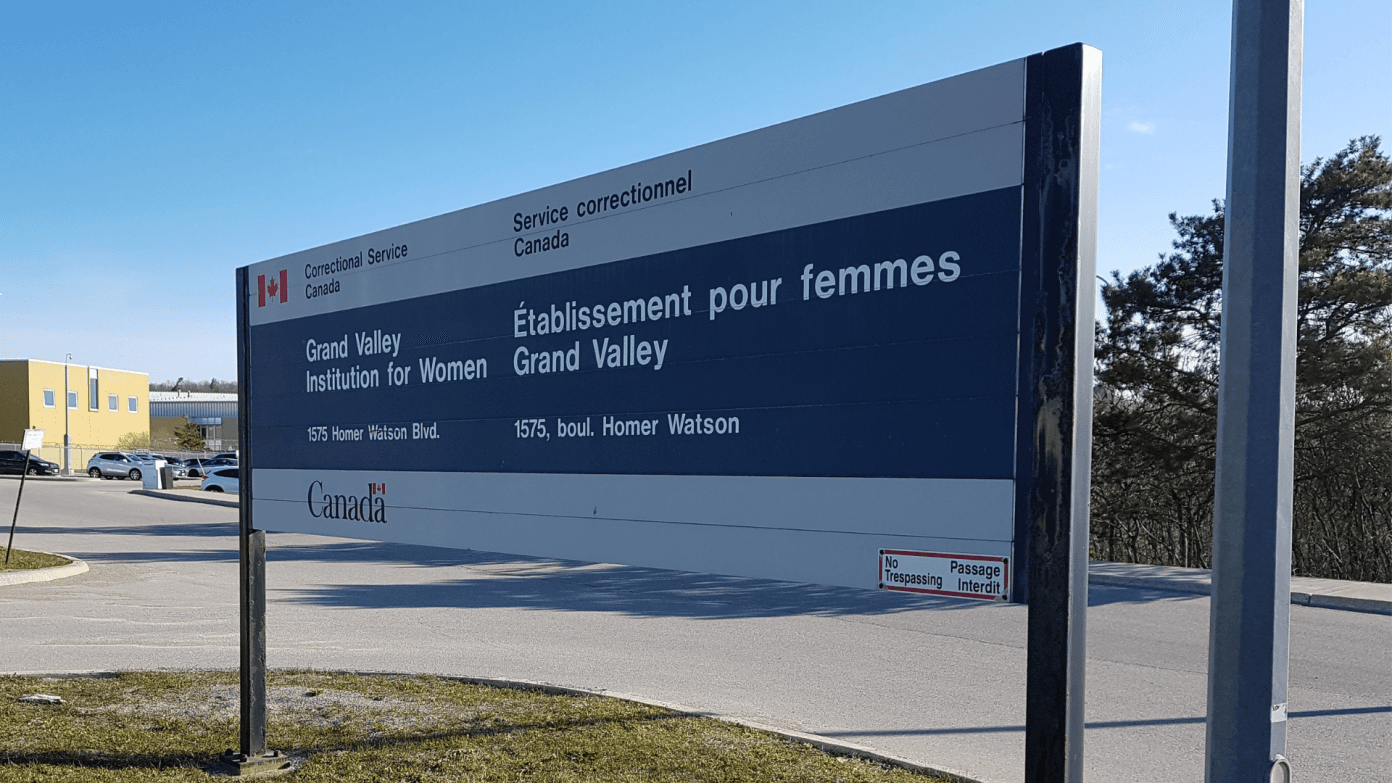
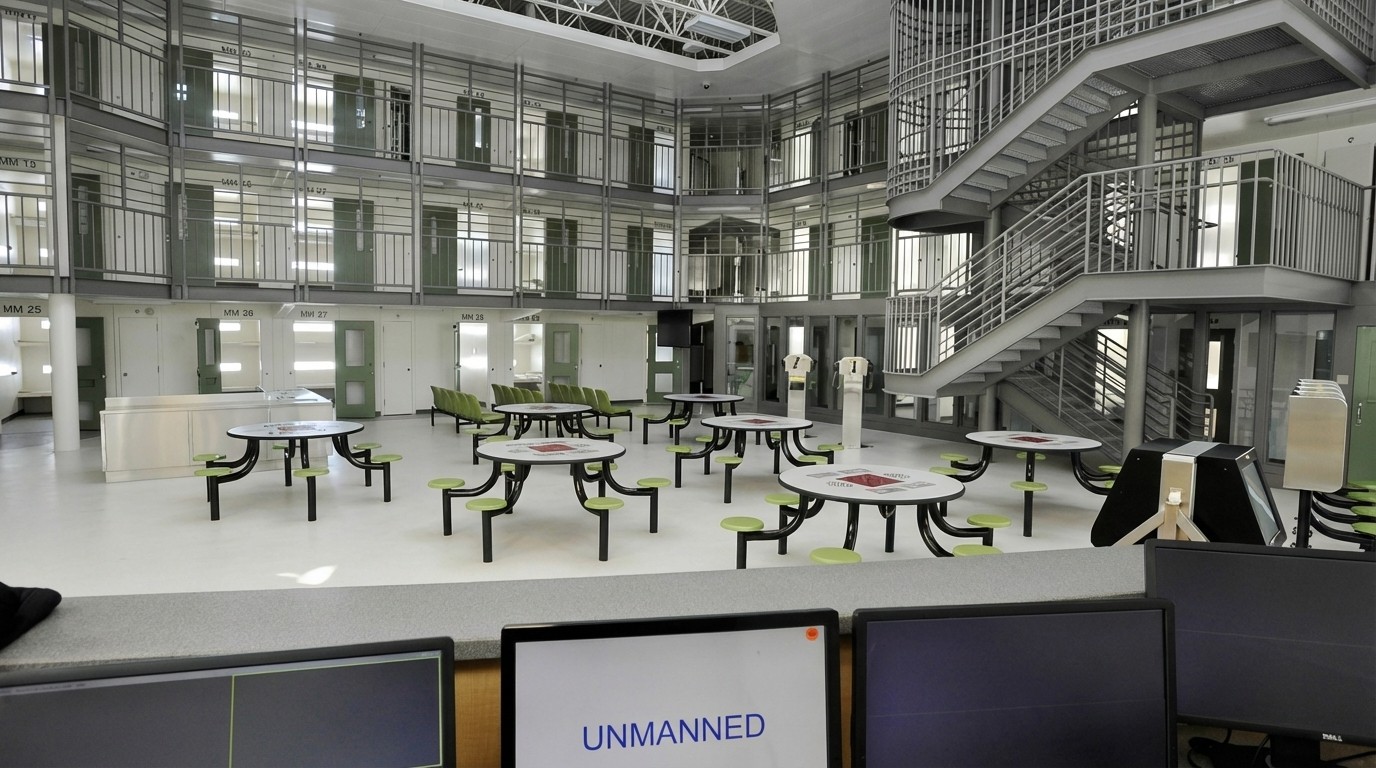
Grand Valley Institution for Women, Kitchener, Ontario
Catherine Lynn murdered a woman in her apartment in September 1995 — physically assaulting her, cutting her throat, and then sexually assaulting her corpse — before lying to police and later pleading guilty to second-degree murder. After the Parole Board denied his parole in April 2022 as an "undue risk to society," Lynn was transferred to Grand Valley Institution for Women, where he subsequently underwent taxpayer-funded sex reassignment surgery — having told the Parole Board he wanted to transfer to a women's prison to observe how women "walked, talked, and acted."
Full Story
The Parole Board of Canada document is precise and clinical, as Parole Board documents tend to be. It describes what happened in September 1995 in a woman's apartment in straightforward terms: "According to the Criminal Profile Report, in September 1995, you physically assaulted and then cut the victim's throat. You sexually assaulted the victim post-mortem. At first, you said you found the victim deceased in her apartment, however, you later admitted to police that you killed the victim."
Cut her throat. Raped her corpse. Lied to police. Then admitted it.
Catherine Lynn pleaded guilty to second-degree murder. He was sentenced to life in prison. He spent eighteen years in maximum and medium-security male federal institutions. His institutional record, the Parole Board noted, was "marred by a number of incidents related to inappropriate sexual behaviour with others, poor conflict resolution, and inappropriate dress."
In April 2022, Lynn applied for parole. The Board denied it. He continued to be "an undue risk to society."
The same Parole Board decision noted that Lynn had applied for transfer to a redacted institution — a word so consistently and specifically redacted in such documents that Women Are Human, Reduxx, and every advocate who reviewed the decision concluded it referred to a women's federal institution.
The Board asked Lynn whether, given his history of violence against women, he thought a transfer to this institution would increase his risk. His response, recorded in the decision without apparent irony: he acknowledged "it was wrong for you to use your size or strength to harm others as you did in the past."
The Board also recorded why Lynn wanted the transfer. He had stated he wanted to move to a women's prison "to look at how the women walked, talked, and acted."
He was denied parole. He was not denied the transfer.
By September 2022, Heather Mason had confirmed through a contact inside the facility that Lynn was housed at Grand Valley Institution for Women in Kitchener, Ontario. He subsequently underwent taxpayer-funded sex reassignment surgery there.
The Crime — September 1995
The Murder
The victim was a woman in her apartment. She was murdered in September 1995. Her name has not appeared in the published reporting on this case — a silence that is itself notable in a case where the perpetrator's name, history, and institutional movements have been extensively documented while the woman he killed remains unnamed.
What is documented is what happened to her. Lynn physically assaulted her. He cut her throat. She died. He then sexually assaulted her corpse.
He told police he had found her deceased. He had not found her deceased. He had made her deceased. When confronted, he eventually admitted it.
He pleaded guilty to second-degree murder. In Canada, second-degree murder — a killing that is intentional but not premeditated — carries a mandatory life sentence with parole eligibility set by the court, between ten and twenty-five years. Lynn received a life sentence.
Prior Violence Against Women
The April 2022 Parole Board decision documents that this was not the first time Lynn had been violent toward women. In 1974 — twenty-one years before the murder — he had been convicted of Assault Causing Bodily Harm. In 1993 — two years before the murder — he had been charged with assaulting a prostituted woman. That charge was withdrawn.
The pattern documented in these records is a man whose violence against women spanned decades before the 1995 murder — and who, despite that documented pattern, was eventually granted a transfer to an institution housing exclusively female inmates.
Eighteen Years and a Pattern of Institutional Problems
Lynn spent eighteen years in maximum and medium-security federal institutions before being cascaded to minimum security in 2014. The Parole Board decision notes that his institutional record during those years was "marred by a number of incidents related to inappropriate sexual behaviour with others, poor conflict resolution, and inappropriate dress."
Each of these categories is significant in context.
Inappropriate sexual behaviour in a maximum-security men's prison, from a man who had sexually assaulted a woman's corpse, is not a minor institutional note. It is documentation that Lynn's sexual preoccupation with non-consenting or incapacitated persons — demonstrated by the post-mortem assault in 1995 — had continued to manifest inside the prison system across the subsequent decades.
Poor conflict resolution, from a man convicted of cutting a woman's throat, is a similarly weighted phrase. It suggests that the capacity for sudden, serious violence documented in the 1995 murder had not been replaced by non-violent responses to conflict.
Inappropriate dress — in the context of a transgender-identifying male inmate in a men's institution — is the institutional record's notation of the early stages of his gender presentation shift, and of the problems that presentation caused within the prison environment.
This record existed when CSC considered his transfer request to a women's federal institution. The Parole Board reviewed it, found him an undue risk to society, denied his parole, and yet the transfer to a women's institution proceeded.
The Parole Board Exchange — April 2022
What the Board Asked
The April 22, 2022 Parole Board decision contains an exchange that is without precedent in the documented history of trans-identified male transfers to women's federal prisons in Canada.
The Board asked Lynn whether, given his past violence against women, he felt a transfer to the requested institution would increase his risk of reoffending.
This is the right question. It is the question the transfer assessment framework is supposed to address. It is the question whose answer — if answered honestly — would make the case for and against the transfer as clearly as any risk assessment instrument could.
Lynn's documented answer was that "your past would pose a challenge to your transfer" — an answer that acknowledges the risk without engaging with it — and that he acknowledged it had been wrong to use his "size or strength to harm others as you did in the past."
He used his size and strength to cut a woman's throat and rape her corpse. The Parole Board recorded his acknowledgment that this had been wrong. The transfer was approved regardless.
Why Lynn Said He Wanted the Transfer
The Parole Board documents record Lynn's stated reason for seeking transfer to a women's federal institution.
He wanted to observe how the women there "walked, talked, and acted."
This is the statement of a man whose interest in women — specifically in observing and studying the behaviour of female people — is the self-declared motivation for requesting access to a space housing exclusively vulnerable women. It is not a statement about gender dysphoria. It is not a statement about safety. It is a statement about wanting to watch women.
The Parole Board recorded it. The transfer was approved. Lynn was placed among the population he had stated he wanted to watch.
The Transfer to Grand Valley
Heather Mason's Disclosure — September 2022
The transfer was not publicly disclosed by CSC. It was disclosed by Heather Mason, through her contact network inside Grand Valley.
On September 13, 2022, Mason posted on Twitter/X that a female inmate at Grand Valley had confirmed Lynn was now housed at the facility. Mason wrote: "He said he wanted to transfer to a women's prison to look at how the women walked, talked, and acted. When the woman told me this on the phone, I was like wtf, but it says it in his parole document, so she wasn't lying."
The post was the first public disclosure that a man convicted of murdering and raping the corpse of a woman had been transferred to a women's federal prison. CSC had not announced it. The Parole Board's April 2022 decision had redacted the type of institution Lynn was requesting. The only reason the public knows it happened is because a woman inside Grand Valley told Mason, and Mason made it public.
Sex Reassignment Surgery — Post-Transfer
Following his transfer to Grand Valley, Lynn underwent sex reassignment surgery — funded by the Canadian federal corrections system, which treats gender-affirming surgery as medically necessary care for federal inmates.
This detail carries a specific significance in the context of CSC's transfer assessment framework. The framework does not require surgical transition as a prerequisite for transfer to a women's institution — the entire basis of IPB 584 and Commissioner's Directive 100 is that self-identification is the operative criterion. But surgery, once completed, places an inmate in a category that CSC treats as definitively female for all institutional purposes.
A man who murdered a woman, raped her corpse, and stated he wanted to transfer to a women's prison to observe how women moved and spoke has, with federal funding, undergone the procedure that makes him, in CSC's institutional framework, a woman for all correctional purposes.
The Female Guard Diagnosed With PTSD
An Unremarked Consequence
In December 2022, Reduxx reported on an incident at Grand Valley that was directly connected to the period when Lynn was housed there — though the specific inmate involved in that particular incident was not publicly identified.
A female corrections officer at Grand Valley was assigned to monitor a trans-identified male inmate over an extended shift. The inmate was fully intact — post-operative surgery had not been performed at the time of the monitoring assignment. The officer requested to be relieved. She requested that a male officer take the assignment, arguing that it was inappropriate for her to be monitoring a fully intact male. Her requests were denied.
Over the course of the shift — which extended beyond her scheduled hours because management could not find another officer willing or able to take the post — the officer became increasingly anxious. She disclosed to her supervisor that she was a survivor of childhood sexual abuse. She was told that she would face disciplinary action or termination if she did not complete the task.
She completed it. She was subsequently diagnosed with Post-Traumatic Stress Disorder.
This incident illustrates that the consequences of housing male-bodied inmates in women's federal institutions are not limited to female prisoners. They extend to female corrections staff — to the women who are required to carry out the institutional functions of supervision and search in spaces that now include male-bodied individuals, and who bear the consequences when those requirements conflict with their own safety, dignity, and trauma histories.
CSC's gender-diverse offender policy created the situation that produced this officer's PTSD diagnosis. She has no public platform. Her name has not been disclosed. Her experience is documented in a Reduxx report and in this entry.
The Redaction Strategy
One of the notable features of the Catherine Lynn case is the systematic redaction of the transfer destination in the Parole Board's April 2022 decision. The decision notes that Lynn had "recently applied for a transfer to a [redacted] federal institution." The specific type of institution is obscured.
This redaction is not standard practice in Parole Board decisions for transfer applications. Transfers to different security levels, different institutions, or different regions are routinely noted without redaction. The specific redaction of the institution type in Lynn's case — applied, as Women Are Human observed, in what appears to be a deliberate effort to obscure the fact that Lynn was transgender and seeking placement in a women's institution — reflects CSC's broader pattern of concealing the nature and scope of its gender-diverse offender placement policy from public view.
The pattern across multiple cases in this database is consistent: CSC does not voluntarily disclose transfers. It does not announce when a man convicted of crimes against women is placed in a women's federal institution. It responds to Access to Information requests by claiming no records exist, then provides records only after appeal. It redacts the type of institution from Parole Board decisions. It cites privacy protections to avoid commenting on individual cases.
The public knows about Catherine Lynn's transfer to Grand Valley because Heather Mason's contact network reached inside the institution and brought the information out. Without that network, this transfer would not be public knowledge.
Conclusion
Catherine Lynn murdered a woman in 1995. He cut her throat. He raped her corpse. He lied to police and eventually admitted it. He pleaded guilty to second-degree murder and received a life sentence.
He spent years in men's federal institutions, accumulating incidents of inappropriate sexual behaviour on his institutional record. He identified as transgender. He applied for transfer to a women's institution, telling the Parole Board he wanted to observe how the women there "walked, talked, and acted."
The Parole Board denied his parole. It found him an undue risk to society. It documented his stated reason for the transfer request without apparent concern.
The transfer was approved regardless.
By September 2022, he was housed at Grand Valley Institution for Women, among female inmates who had not been told a man convicted of murdering and sexually violating a woman's corpse was living with them. He subsequently underwent taxpayer-funded sex reassignment surgery.
He is sixty-eight years old. He is serving a life sentence. He is in a women's prison.
The woman whose throat he cut in 1995 remains unnamed in this record. She is unnamed in the Parole Board decision. She is unnamed in every piece of journalism about this case. She is present only as the object of what was done to her, and as the justification for the life sentence that is now being served, with federal funding and institutional accommodation, in the company of the women she has nothing in common with except her biological sex.
Timeline
1974: Convicted of Assault Causing Bodily Harm
1993: Charged with assault against a prostituted woman; charge subsequently withdrawn
September 1995: Enters a woman's apartment; physically assaults her; cuts her throat; sexually assaults her corpse post-mortem; initially lies to police claiming he found her deceased; later admits to killing her
1995: Pleads guilty to second-degree murder; sentenced to life in prison
1995–2014: Serves 18 years in maximum and medium-security male federal institutions; institutional record "marred by a number of incidents related to inappropriate sexual behaviour with others, poor conflict resolution, and inappropriate dress"
2014: Cascaded to minimum-security institution
Date unknown: Begins identifying as transgender; adopts the name Catherine Lynn; applies for transfer to a women's federal institution
April 22, 2022: Parole Board of Canada denies parole; finds Lynn "will present an undue risk to society if released"; Parole Board asks whether the requested transfer to a redacted institution would increase his risk given past violence against women; Lynn responds that "your past would pose a challenge to your transfer" and acknowledges "it was wrong to use your size or strength to harm others"
Parole Board documents note Lynn is 68 years old; note his size and strength; reference his history of violence specifically against women; the redacted institution type is widely assessed as a women's federal prison
Parole Board documents confirm Lynn stated he wanted to transfer to a women's institution to observe how women "walked, talked, and acted" — a statement that the Parole Board recorded without comment
September 2022: Heather Mason receives confirmation from a contact inside Grand Valley that Lynn has been transferred there; Mason publicly discloses the transfer
Post-transfer: Lynn undergoes taxpayer-funded sex reassignment surgery while at Grand Valley
December 2022: Reduxx reports that a female corrections officer at Grand Valley was diagnosed with PTSD after being forced to monitor a trans-identified male inmate over an extended shift; her requests to be relieved were denied; she disclosed a history of childhood sexual abuse to her supervisor; her supervisor threatened disciplinary action or termination if she did not complete the task
References
Reduxx (September 19, 2022). "Violent Necrophiliac Transferred to Women's Prison in Canada." https://reduxx.info/violent-necrophiliac-transferred-to-womens-prison-in-canada/
Women Are Human (October 17, 2022). "Male Murderer and Necrophiliac Transferred to Women's Prison." https://www.womenarehuman.com/male-murderer-and-necrophiliac-transferred-to-womens-prison/
The Post Millennial (September 16, 2022). "Biological male who murdered woman, raped her corpse to be housed in Canadian women's prison." https://thepostmillennial.com/biological-male-who-murdered-woman-raped-her-corpse-to-be-housed-in-women-s-prison
Reduxx (December 22, 2022). "CANADA: Female Prison Guard Diagnosed With PTSD After Being Forced To Monitor A Trans-Identified Male In A Women's Prison." https://reduxx.info/canada-female-prison-guard-diagnosed-with-ptsd-after-being-forced-to-monitor-a-trans-identified-male-in-a-womens-prison/
Mason, Heather (@Mason134211f). Twitter/X post (September 13, 2022). Disclosure of Catherine Lynn's transfer to Grand Valley Institution for Women.
Parole Board of Canada, Decision in the case of Catherine Lynn (April 22, 2022).
Criminal Code, RSC 1985, c C-46, s 745 (second-degree murder sentencing): https://laws-lois.justice.gc.ca/eng/acts/c-46/
Correctional Service Canada, Commissioner's Directive 100: Gender Diverse Offenders (in effect May 9, 2022): https://www.canada.ca/en/correctional-service/corporate/acts-regulations-policy/commissioners-directives/100.html
Canadian Women's Sex-Based Rights (caWsbar): https://cawsbar.ca/
text
Vancouver Rape Relief: How Canada's Oldest Rape Crisis Centre Lost Its City Funding for Doing Exactly What Courts Said It Had the Legal Right to Do
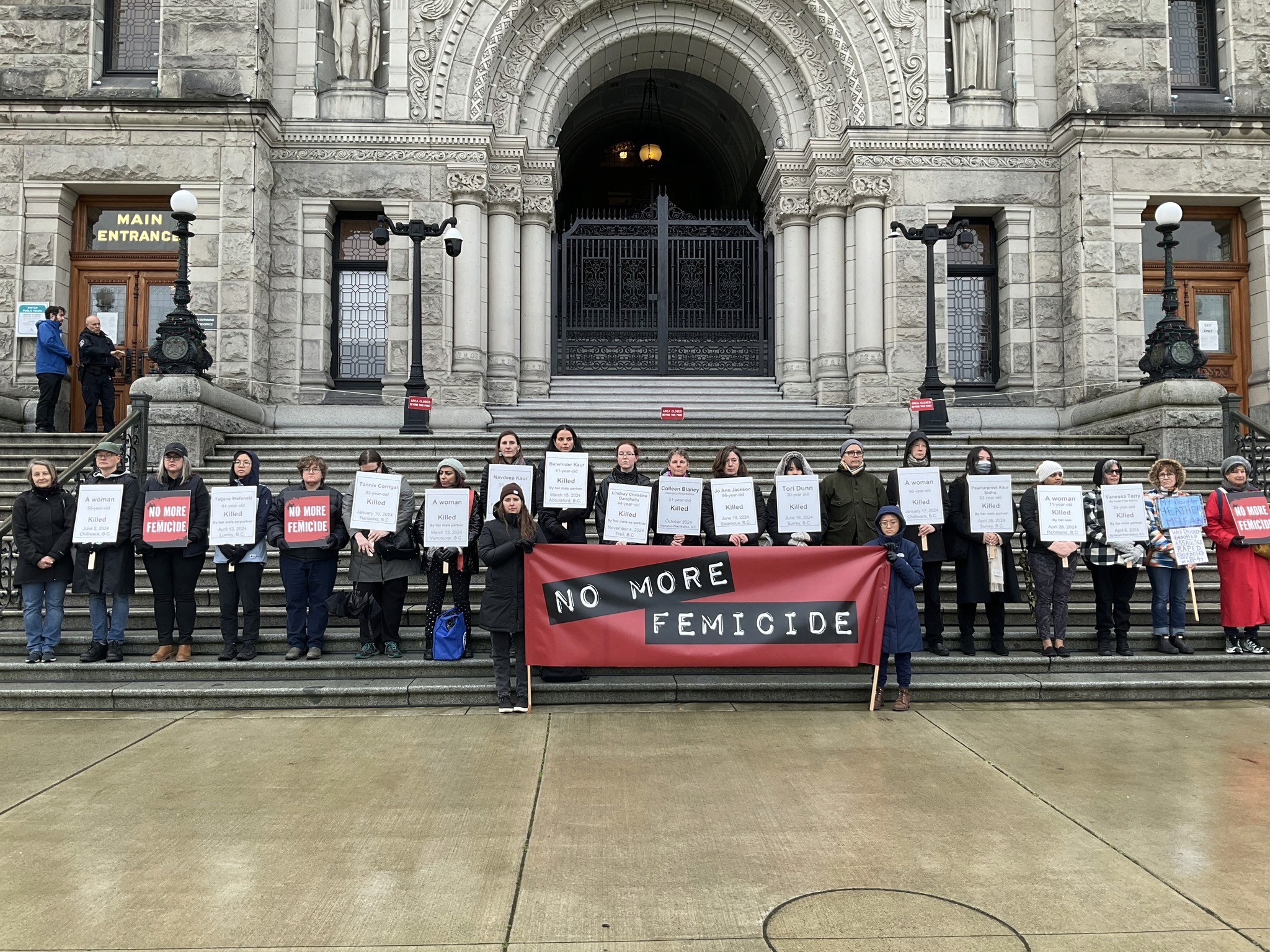
Vancouver Rape Relief and Women's Shelter, founded in 1973 and Canada's oldest rape crisis centre, lost its annual City of Vancouver grant of $34,312 in 2019 after refusing to change its policy of offering core services exclusively to women born female. The defunding was led by transgender activist and BC NDP Vice President Morgane Oger and supported by city councillors who cited Vancouver's non-discrimination policy on gender identity. VRR had previously won the legal right to maintain its women-only policy through multiple court challenges up to the Supreme Court of Canada. In August 2019, its storefront was spray-painted with "KILL TERFS" and a dead rodent was nailed to its door.
text
Patrick Pearsall: The Serial Sex Offender Who Impersonated a Doctor to Assault Women, Declared Himself Transgender, and Served His Sentence Among His Potential Victims
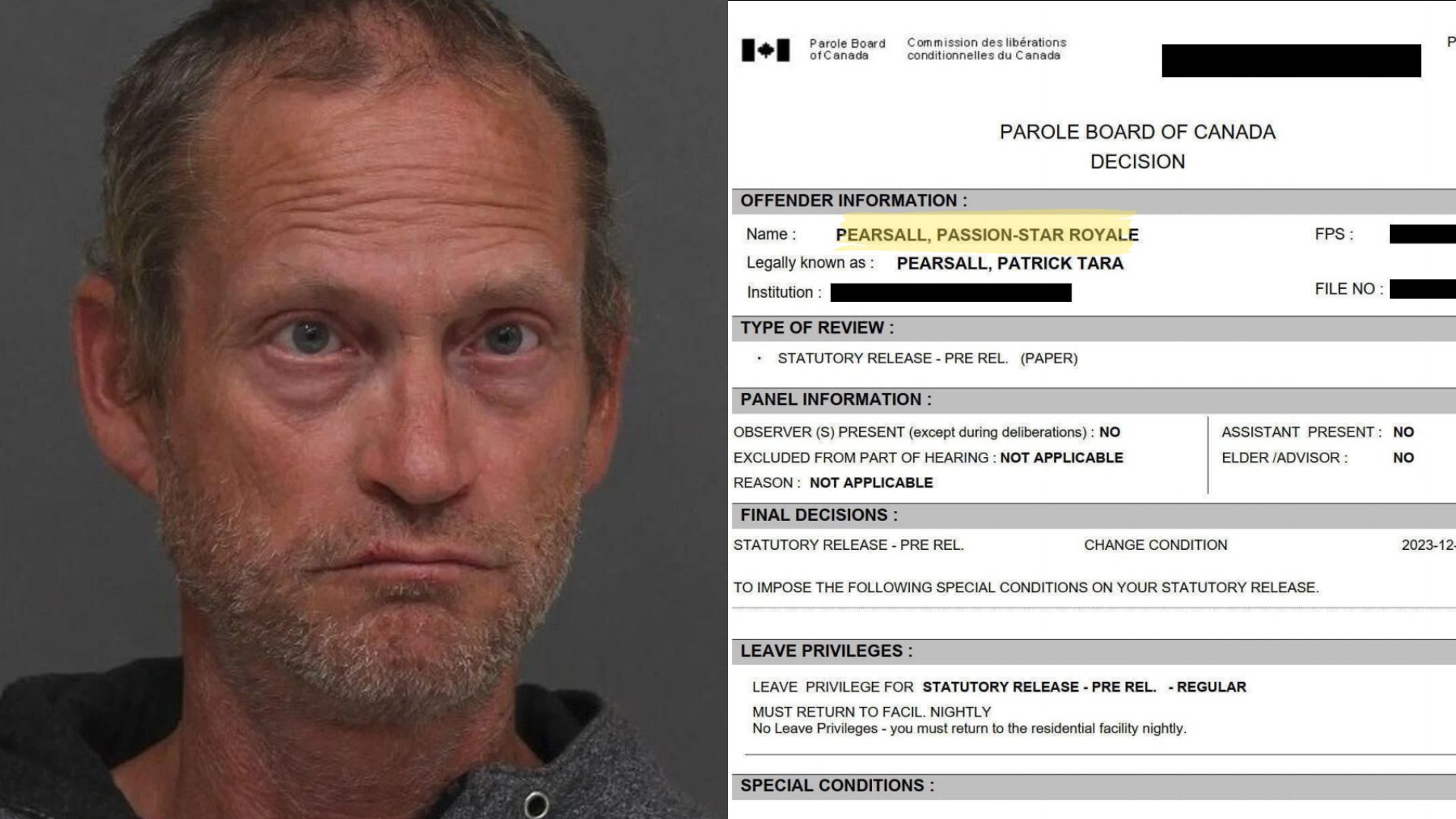
Patrick Pearsall is a serial sex offender with 33 convictions related to parole breaches and sex offender registry non-compliance who spent decades impersonating a military doctor and paramedic online to gain access to young women and girls, performing non-consensual vaginal "examinations" on victims he lured into his home. Declared a Dangerous Offender in 2018 and sentenced to ten years, he was placed in a women's correctional facility despite retaining his male anatomy — and admitted to cellmates he preferred it because it meant doing "easier time."