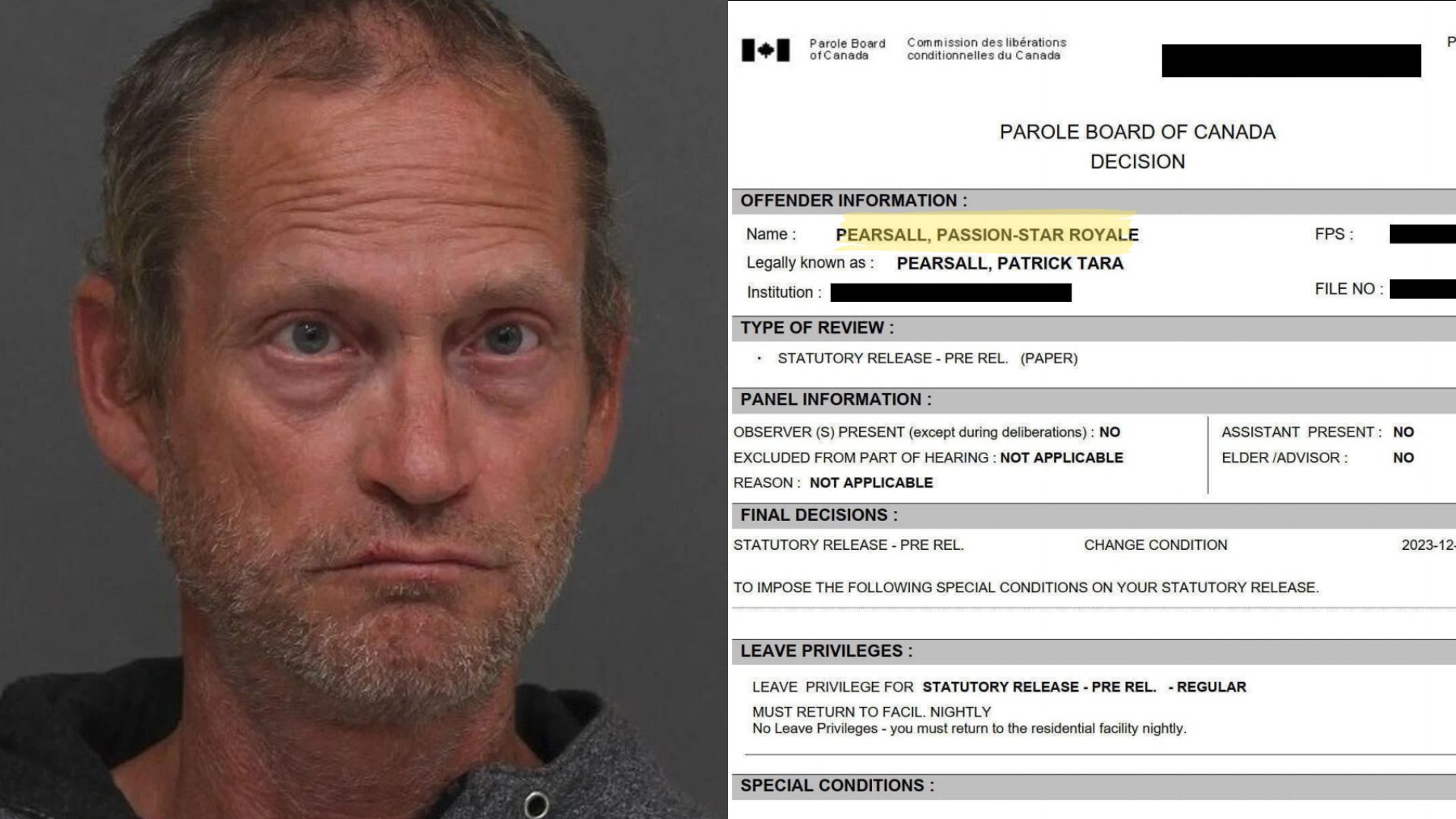
Patrick Pearsall: The Serial Sex Offender Who Impersonated a Doctor to Assault Women, Declared Himself Transgender, and Served His Sentence Among His Potential Victims


GIVEN NAME:
Patrick Pearsall
ALIAS:
Tara Pearsall / Passion-Star Royale
DATE:
1999-2018; 2015 (first transgender identification in custody); 2018 (sentencing); January 2024 (release)
LOCATION:
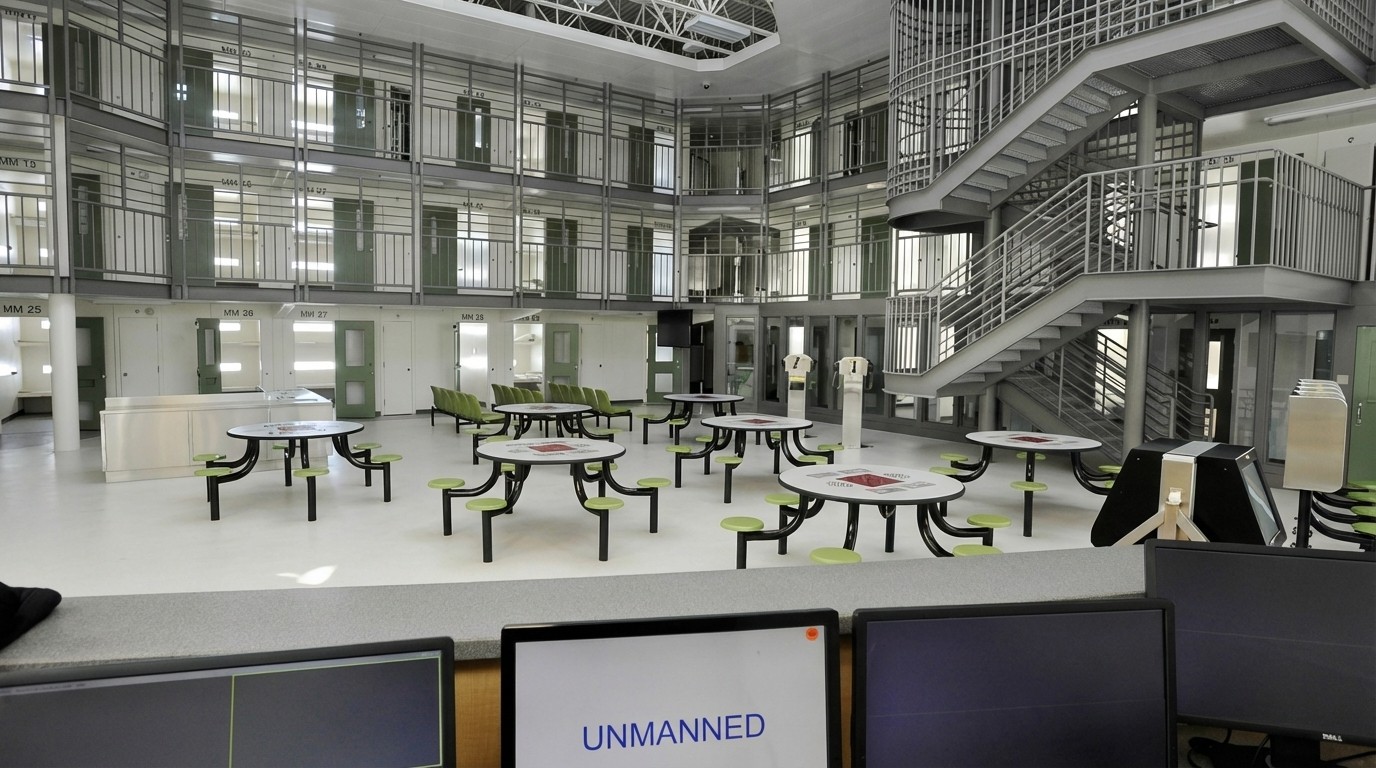
Toronto, Ontario (crimes and sentencing); Milton-Vanier Centre for Women, Milton, Ontario (placement during sentence)
Patrick Pearsall is a serial sex offender with 33 convictions related to parole breaches and sex offender registry non-compliance who spent decades impersonating a military doctor and paramedic online to gain access to young women and girls, performing non-consensual vaginal "examinations" on victims he lured into his home. Declared a Dangerous Offender in 2018 and sentenced to ten years, he was placed in a women's correctional facility despite retaining his male anatomy — and admitted to cellmates he preferred it because it meant doing "easier time."
Full Story
Patrick Pearsall spent decades finding vulnerable women and girls online, telling them he was a military doctor or paramedic, inviting them to his home, and sexually assaulting them under the guise of medical examinations. He was a pathological liar — claiming variously to be HIV positive, diabetic, and a cancer survivor undergoing chemotherapy. None of it was true. What was true was a criminal record stretching back years, thirty-three convictions related to parole violations and sex offender registry non-compliance, and a consistent pattern of targeting women and girls who trusted him.
In 2015, while in custody on sexual assault charges for the first time, Pearsall declared himself a woman. He chose a new name: Tara — the name of his former wife, a woman he had married when she was seventeen years old and he was forty. She would later tell the court he had told her he was a doctor and a priest.
Immediately upon declaring a female gender identity, Pearsall was transferred to a women's correctional facility. He had not undergone any surgical or hormonal transition. He retained his male anatomy. He was a documented serial sex offender whose entire criminal history involved targeting females.
In 2018, following conviction for two additional sexual assaults against a teenager and a young woman he had lured into his home with false claims of medical authority, Pearsall was sentenced to ten years in federal prison and declared a Dangerous Offender. He was placed at the Milton-Vanier Centre for Women in Milton, Ontario.
He subsequently admitted to cellmates that he preferred being incarcerated in a women's facility because it meant doing "easier time."
A Career of Predation
The Method
Pearsall's offending method was consistent across decades and across victims. He used the internet to identify and cultivate relationships with vulnerable young women and girls. He established credibility through false professional claims — presenting himself as a military doctor, a paramedic, a man of medical authority and social standing. He offered accommodation and safety to women who were in difficult circumstances.
One documented victim, identified only by her initials L.M., had been invited to stay at the Pearsall home after fleeing an abusive boyfriend. She had befriended Pearsall's wife on social media. She arrived seeking safety and found herself sexually assaulted.
Another victim was a teenager. Both were told Pearsall needed to "examine" them. Both agreed to what they understood as a medical procedure. Both later told police they felt immediately violated.
The assault method — presenting a false medical authority, obtaining apparent consent through deception, then violating the victim under the cover of that deception — is legally and morally sexual assault. It is also, clinically, a sophisticated and sustained pattern of predation that requires planning, manipulation, and the deliberate exploitation of victims who are already vulnerable.
The Record
Before his 2018 conviction, Pearsall had accumulated thirty-three convictions related to breach of parole, failure to appear, and non-compliance with the Sex Offender Registry. He had been classified by authorities as "highly likely" to reoffend, and most likely sexually.
Authorities noted that Pearsall had never expressed remorse for any of his offences.
The profile is one of a man who was fully aware of what he was doing, had been repeatedly caught, had repeatedly been given supervision conditions intended to manage his risk, and had repeatedly violated them. The criminal justice system had an extensive documented relationship with Pearsall before the 2015 custody period in which he declared a transgender identity.
The Marriage
Pearsall's former wife testified in court that she had married him when she was seventeen years old and he was forty. She told the court he had presented himself to her as a doctor and a priest. The marriage — between a teenager and a forty-year-old man who had deceived her about his identity and credentials — is consistent with the predatory pattern documented across his entire criminal career. His victims were not random. They were specifically women and girls who could be deceived, who were vulnerable to false authority, and who had limited means of protecting themselves from a man who had cultivated their trust.
The 2018 Conviction and Dangerous Offender Designation
The Trial
In 2017, Pearsall appeared in court on charges of sexually assaulting a teenager and a young woman. He appeared wearing women's clothing, makeup, and a long dark wig — the visual presentation of a transgender identity. Canadian journalist Rosie DiManno, covering the trial, wrote that Pearsall appeared in court "wearing women's clothing, wearing makeup, perhaps the ugliest woman I've ever seen."
In 2018, a jury convicted him on both counts.
The Sentence
On May 22, 2018, Justice Wailan Low of the Ontario Superior Court of Justice sentenced Pearsall to a fixed ten-year term and declared him a Dangerous Offender. The sentence included a ten-year Long Term Supervision Order to take effect after his release — meaning Pearsall would remain under close supervision for an additional decade after completing his prison term.
During sentencing submissions, both Crown and defence counsel noted that Pearsall was willing to undergo chemical castration and had expressed a desire to have sex reassignment surgery "as soon as possible." The Parole Board would later explicitly state that Pearsall's intention to undergo gender surgery would not lessen his risk to women and girls.
This is a significant finding. The Parole Board — the body responsible for assessing risk in the corrections system — formally concluded that surgical transition would not reduce Pearsall's dangerousness. The assessment was published. CSC's transfer decisions proceeded regardless.
Placement at the Milton-Vanier Centre for Women
Transfer to a Women's Facility
Following his sentence, Pearsall was placed at the Milton-Vanier Centre for Women in Milton, Ontario. He had not undergone surgery. He retained his male anatomy. He was a declared Dangerous Offender with a documented history of sexual violence against women and girls.
The placement decision was made on the basis of his self-declared gender identity — the standard established by the CSC policy framework introduced following Prime Minister Trudeau's January 2017 town hall promise. The same policy that had placed Fallon Aubee, Adam Laboucan, Frederick Radcliffe, and others in women's federal institutions was applied to a man whose entire criminal career had been built on targeting the population he was now being housed among.
"Easier Time"
Pearsall subsequently admitted to cellmates at the women's facility that he preferred being incarcerated there because it meant doing "easier time."
This admission is documented by Reduxx and referenced by Heather Mason in her public advocacy about the conditions at women's federal institutions. It represents, in Pearsall's own words, the instrumental calculation behind his placement: a women's correctional facility offered more comfortable conditions than a men's facility, and his self-declared transgender identity provided the mechanism to access it.
The women housed at Milton-Vanier with Pearsall were sharing their correctional facility with a man who had spent his career sexually assaulting women. They were not informed of his history. They had no mechanism to object to his presence.
Allegations During Sentence
The Parole Board documents reviewed by Reduxx describe a pattern of "problematic institutional adjustment" during Pearsall's sentence. The Board documents an allegation of sexual assault against a female prisoner at a redacted institution — the specific facility's name withheld from the public record — which resulted in Pearsall being transferred to another institution. No charges were filed in connection with the allegation.
The Board also documents that Pearsall received formal misconducts for being verbally aggressive toward correctional staff.
The pattern — an allegation of sexual assault against a female inmate, resulting in transfer rather than charge — is consistent with the pattern documented elsewhere in this database. The women harmed or placed at risk during these incidents are not named. Their experiences are processed through an institutional framework that prioritizes the managing of the offender's placement over the accountability for what was done to them.
Release — January 2024
Statutory Release
Pearsall was released on statutory release in January 2024, having served approximately two-thirds of his ten-year sentence. Heather Mason publicly announced his release and raised public safety concerns.
The Halfway House Decision
Pearsall attempted to be placed at a women's halfway house following his release. The request was denied. He was released instead to a men's halfway house in Ontario.
This decision deserves careful attention. CSC and the Parole Board denied Pearsall access to a women's halfway house — recognizing, at the point of release, that his placement in a women's residential facility posed unacceptable risk. The same recognition was not applied during his incarceration, when he was housed at a women's correctional facility for a significant portion of his ten-year sentence.
The system acknowledged the risk at the end. It did not acknowledge it at the beginning.
Long Term Supervision
Pearsall remains subject to his ten-year Long Term Supervision Order. The conditions attached to that order — regular reporting, residence requirements, and restrictions on his activities — are the primary risk management tools in place for a man the Parole Board classified as a continuing danger to women and girls.
The effectiveness of those conditions depends on compliance monitoring. His thirty-three prior convictions for parole violations and non-compliance with the Sex Offender Registry do not suggest a strong historical baseline for compliance confidence.
What This Case Illustrates
The Gap Between Risk Assessment and Placement
The Pearsall case illustrates a specific and documented gap in the gender-diverse offender policy framework: the risk assessment process and the placement process operate as if they are separate functions, rather than integrated ones.
The Parole Board assessed Pearsall as "highly likely" to reoffend sexually and explicitly stated that proposed gender surgery would not reduce that risk. These assessments were made, published, and entered into his record. They informed his Long Term Supervision Order. They informed the denial of his application to a women's halfway house.
They did not prevent his placement in a women's correctional facility during his sentence.
The risk assessments exist. The information they contain is accurate and specific. The placement decisions were made in a policy framework that treated self-declared gender identity as the operative criterion — and that framework was not designed to integrate the specific risk finding that a male offender's target population was female.
The Admission as Evidence
Pearsall's admission that he preferred the women's facility for "easier time" is not merely an anecdote. It is documented evidence of the instrumental use of gender identity claims by male offenders to access preferential institutional conditions. It is the statement of a man who understood that his self-declared identity gave him access to an environment he preferred — not because he had a deeply felt gender identity that required accommodation, but because women's prisons are, by design, lower-security, more comfortable environments than the institutions he would otherwise have occupied.
This does not mean that every male inmate who identifies as transgender is making an instrumental calculation of this kind. But it does mean that the policy framework, by treating self-declaration as determinative, has no mechanism to distinguish between the two. And Pearsall, in his own words, confirmed that the mechanism was available to be exploited.
Conclusion
Patrick Pearsall spent decades targeting women and girls. He was classified as highly likely to reoffend. He never expressed remorse. He declared a transgender identity in 2015, was placed in a women's correctional facility, and later admitted he preferred it for "easier time."
An allegation of sexual assault against a female inmate during his sentence was resolved by transfer rather than charge. He was denied placement at a women's halfway house on release — a recognition, at the end, that his presence in a women's residential facility was dangerous.
That recognition came after years in a women's correctional facility. The women who shared that facility with him did not benefit from it.
Timeline
Pre-2015: Decades of offending; impersonated a military doctor, paramedic, and priest online to gain trust of vulnerable young women and girls; performed non-consensual vaginal "examinations" on victims; placed on the Sex Offender Registry; accumulated 33 convictions related to breach of parole, failure to appear, and sex offender registry non-compliance; classified by authorities as "highly likely" to reoffend sexually; never expressed remorse
Age 40: Married a woman who was 17 at the time; she later testified in court that he told her he was a doctor and a priest
2015: First declares transgender identity while in custody on sexual assault charges; begins calling himself "Tara" — the name of his former wife; immediately placed in a women's correctional facility
2017: Appears in court on two additional sexual assault charges wearing women's clothing, makeup, and a long dark wig; has not undergone surgery and retains male anatomy
2018: Convicted by jury of two sexual assaults against a teenager and a young woman in Toronto; both victims had been invited to stay at his home and were told he was a military doctor who needed to examine them
May 22, 2018: Sentenced to a fixed ten years in federal prison; declared a Dangerous Offender by Justice Wailan Low, Ontario Superior Court; subject to a ten-year Long Term Supervision Order after release; Crown and defence both note Pearsall's willingness to undergo chemical castration and stated desire for sex reassignment surgery
Post-2018: Placed at Milton-Vanier Centre for Women in Milton, Ontario, despite retaining male anatomy; admits to cellmates he prefers the women's facility because it is "easier time"
During sentence: Allegation of sexual assault against a female prisoner at a redacted institution results in transfer to another institution; not charged; receives misconducts for verbal aggression toward correctional staff
Parole Board review: Board explicitly notes that Pearsall's intention to undergo gender surgery would not lessen his risk to women and girls; documents his pattern of "problematic institutional adjustment"
January 2024: Released on statutory release; attempts to be placed at a women's halfway house but is denied; released to a men's halfway house in Ontario instead; Heather Mason publicly raises alarm about release; remains subject to ten-year Long Term Supervision Order
References
CBC News (May 22, 2018). "Transgender convict gets 10 years for 2 sex assaults, declared dangerous offender." https://www.cbc.ca/news/canada/toronto/transgender-sex-offender-sentence-sexual-assaults-dangerous-offender-1.4673213
Reduxx (January 17, 2024). "CANADA: Violent Transgender Child Sexual Abuser Released Into Community-Based Facility." https://reduxx.info/canada-transgender-child-sexual-abuser-released-from-womens-prison-into-community/
caWsbar (republishing Toronto Star article by Rosie DiManno, March 2020). "As transgender rights improve, prisons struggle with tough decisions." https://www.cawsbar.ca/post/as-transgender-rights-improve-prisons-struggle-with-tough-decisions
The Interim (January 27, 2020). "Transgender convicts terrorize women in all-female Canadian prisons." https://theinterim.com/issues/society-culture/transgender-convicts-terrorize-women-in-all-female-canadian-prisons/
Criminal Code, RSC 1985, c C-46, s 753 (Dangerous Offender designation): https://laws-lois.justice.gc.ca/eng/acts/c-46/
Correctional Service Canada, Commissioner's Directive 100: Gender Diverse Offenders (in effect May 9, 2022): https://www.canada.ca/en/correctional-service/corporate/acts-regulations-policy/commissioners-directives/100.html
Corrections and Conditional Release Act, SC 1992, c 20: https://laws-lois.justice.gc.ca/eng/acts/C-44.6/
Canadian Women's Sex-Based Rights (caWsbar): https://cawsbar.ca/
text
Catherine Lynn: The Man Who Murdered a Woman and Raped Her Corpse — Then Told the Parole Board He Wanted to Watch How Women "Walked, Talked, and Acted"
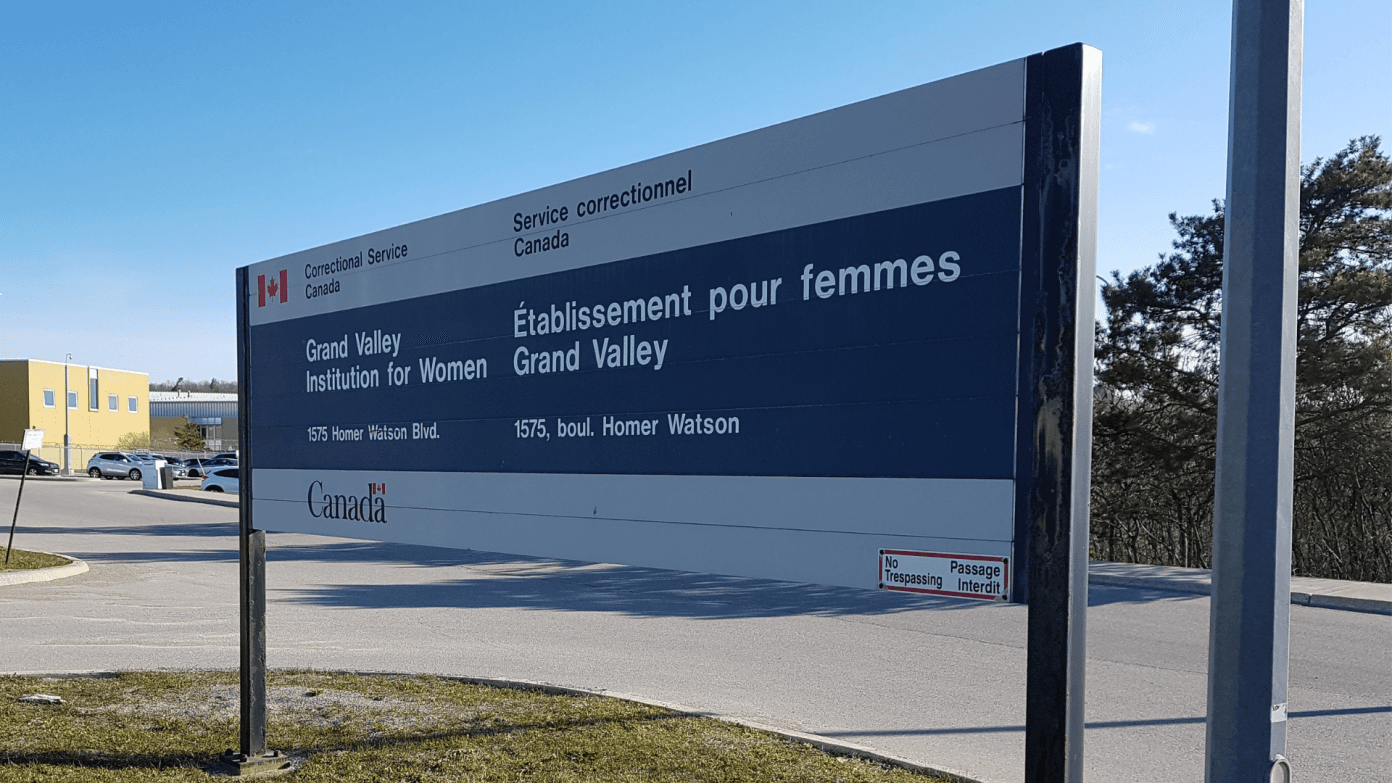
Catherine Lynn murdered a woman in her apartment in September 1995 — physically assaulting her, cutting her throat, and then sexually assaulting her corpse — before lying to police and later pleading guilty to second-degree murder. After the Parole Board denied his parole in April 2022 as an "undue risk to society," Lynn was transferred to Grand Valley Institution for Women, where he subsequently underwent taxpayer-funded sex reassignment surgery — having told the Parole Board he wanted to transfer to a women's prison to observe how women "walked, talked, and acted."
text
Shane Jacob Green: The Repeat Sex Offender Who Exploited Gender Self-Identification to Access a Women's Shelter and Rape of a Resident
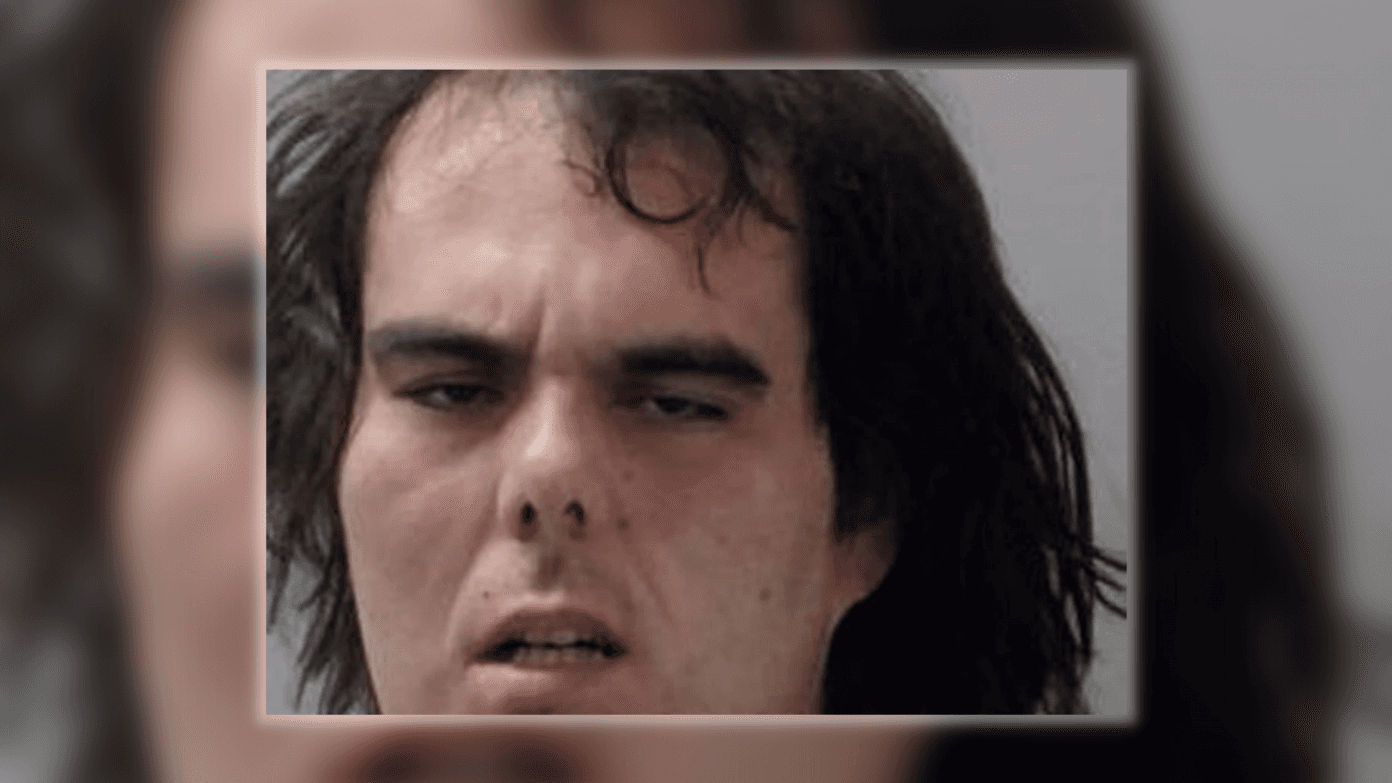
Shane Jacob Green, a convicted sex offender, declared himself a woman to gain entry to a women's emergency shelter in Parry Sound, Ontario in August 2022, spent two days making sexually inappropriate comments to staff and residents, and then sexually assaulted a female resident. A law enforcement source confirmed Green was well known to police for deliberately exploiting gender self-identification policies to access women's shelters.