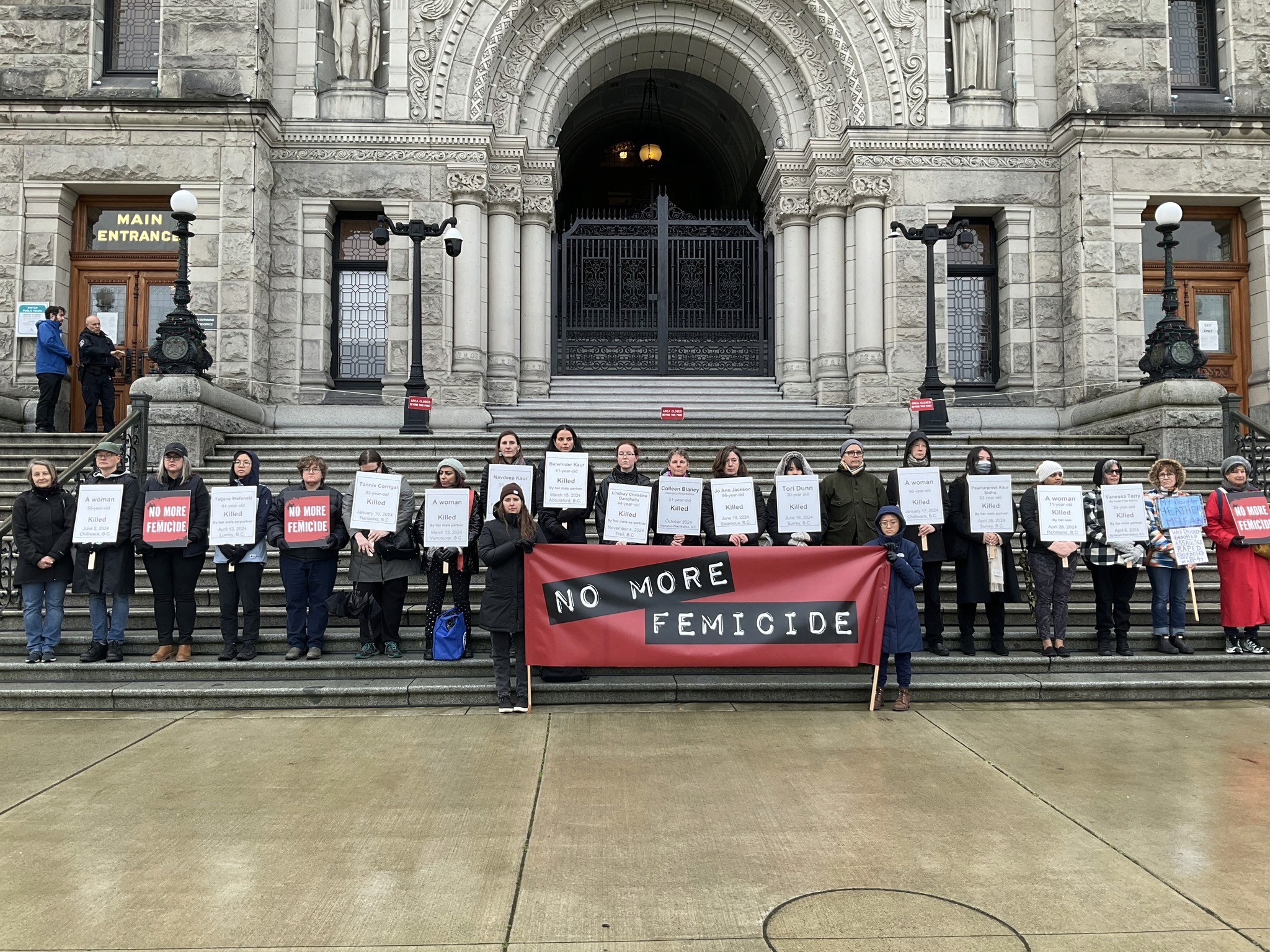
Vancouver Rape Relief: How Canada's Oldest Rape Crisis Centre Lost Its City Funding for Doing Exactly What Courts Said It Had the Legal Right to Do

GIVEN NAME:
N/A
ALIAS:
N/A
DATE:
March 14, 2019 (city council vote); February 26, 2020 (funding formally ended)
LOCATION:
Vancouver Rape Relief and Women's Shelter, Vancouver, British Columbia
Vancouver Rape Relief and Women's Shelter, founded in 1973 and Canada's oldest rape crisis centre, lost its annual City of Vancouver grant of $34,312 in 2019 after refusing to change its policy of offering core services exclusively to women born female. The defunding was led by transgender activist and BC NDP Vice President Morgane Oger and supported by city councillors who cited Vancouver's non-discrimination policy on gender identity. VRR had previously won the legal right to maintain its women-only policy through multiple court challenges up to the Supreme Court of Canada. In August 2019, its storefront was spray-painted with "KILL TERFS" and a dead rodent was nailed to its door.
Full Story
Vancouver Rape Relief and Women's Shelter has been operating since 1973. It is Canada's oldest rape crisis centre. By the time the City of Vancouver voted to cut its annual grant in 2019, VRR had responded to approximately 46,000 women seeking help to escape male violence and had housed over 3,000 women and 2,600 children in its transition house.
It offers its core services exclusively to women born female. It has always done so. This is not a policy it adopted recently or quietly. It is the foundational principle of the organization's existence: that the fight against male violence against women requires a space organized around the shared experience of being born and raised female.
In 1995, a transgender woman named Kimberly Nixon sued VRR for not allowing her to train as a volunteer counsellor. The case worked its way through the BC Human Rights Tribunal, the Supreme Court of BC, and ultimately to the Supreme Court of Canada, which declined to hear Nixon's appeal in February 2007. The legal right of Vancouver Rape Relief to maintain its women-only policy was confirmed at the highest level of the Canadian judicial system.
In 2019, the City of Vancouver cut VRR's grant anyway.
The city could not legally compel VRR to change its policy. The courts had confirmed that. So instead, the city attached a condition to public funding: change your policy or lose your money. The organization that had served 46,000 women could either accept the presence of biological males in its core services or lose the funding that supported those services.
VRR refused to change its policy. It lost the funding.
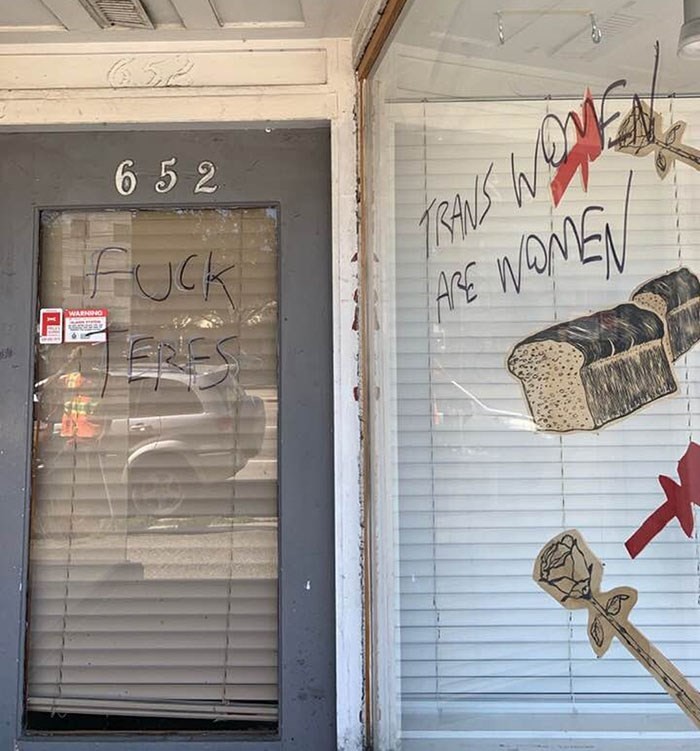
In August 2019, its storefront was spray-painted with "KILL TERFS." A dead rodent was nailed to its door.
What Vancouver Rape Relief Is
Vancouver Rape Relief and Women's Shelter was founded in 1973 by women who understood that the experience of male violence is not abstract. It is physical. It is gendered. It is rooted in the fact of being born into the female body and navigating a world in which that body makes you a target for specific forms of violence.
From that founding insight came a specific model of service: peer support by women who have lived through male violence, for women who are living through male violence. The counsellors at VRR are women who have personal experience of the forms of violence their clients are escaping. The collective organizing the shelter's work is composed of women born female, working together on the basis of shared experience.
By 2019, VRR had been doing this work for 46 years. It had provided crisis services to approximately 46,000 women. It had housed over 3,000 women and 2,600 children in its transition house since 1981. It operated with a budget of over one million dollars annually, of which the City of Vancouver's grant contributed approximately $34,000.
It was, in the language of the women's advocacy community, a proven model with a documented record of service to some of the most vulnerable women in British Columbia, including poor women, Indigenous women, and prostituted women.
The Kimberly Nixon Case: The Legal Foundation
The policy VRR was defunded for maintaining in 2019 was a policy that had already been tested in court. Extensively.
In 1995, Kimberly Nixon, a transgender woman, applied to participate in VRR's volunteer counsellor training program. VRR declined, on the grounds that its counsellors needed to share the lived experience of being born and raised female. Nixon filed a human rights complaint with the BC Human Rights Tribunal.
The proceedings that followed consumed twelve years and multiple levels of the Canadian judiciary.
The BC Human Rights Tribunal initially ruled against VRR. VRR appealed. In 2005, the Supreme Court of BC found in VRR's favour. The court held that VRR was protected by section 41 of the BC Human Rights Code, which provides an exemption for membership-based organizations operating for the benefit of a particular group that has historically experienced disadvantage.
The court found that VRR's policy was legal. Nixon appealed to the Supreme Court of Canada. In February 2007, the Supreme Court declined to hear the appeal. VRR's women-only policy was legally confirmed at the highest judicial level in Canada.
The court also ordered Nixon to pay VRR's legal costs. Nixon subsequently declined to pay those costs.
Twelve years of legal proceedings. Confirmed by the Supreme Court of Canada. The policy was legal. The right to maintain it was protected.
The Defunding Campaign
Morgane Oger's Role
The effort to strip VRR of its city funding was led by Morgane Oger, at the time the Vice President of the BC NDP and a prominent transgender activist in British Columbia.
Oger appeared before Vancouver City Council and argued that VRR's women-only policy represented "a history of discrimination against transgender women on the basis of their gender identity or gender expression." This characterization was contested by VRR. As Hilla Kerner, VRR's representative, pointed out during the council proceedings, the organization's policy had been reviewed in multiple legal proceedings, and courts had found it was not in violation of human rights law.
Oger's specific proposal was that the city attach conditions to VRR's funding requiring the organization to include "transgender and non-binary persons in the decision-making process" as a condition of continued eligibility for public funds. This proposal was, as a practical matter, a mechanism for using the funding relationship to achieve what twelve years of litigation had failed to achieve: requiring VRR to abandon the women-only organizing principle that courts had confirmed it was legally entitled to maintain.
The legal system had confirmed VRR's right. The funding mechanism was a way around the legal system.
The Council Vote
On March 14, 2019, Vancouver City Council voted to award VRR its 2019 grant of $34,312 as termination funding, while making clear that no future funding would be available unless VRR changed its policy.
Councillor Christine Boyle stated publicly: "To receive city funding, they need to be serving all women, and that includes trans women." She had also tweeted before the meeting that she would not support city funding for VRR and hoped funds could be "redirect[ed] to an inclusive provider."
Councillor Adrienne Carr said she would have preferred to stop the funding immediately.
The city did not dispute that VRR's policy was legal. It did not dispute that VRR had won the right to maintain that policy in court. It simply determined that organizations which maintain sex-based admissions criteria are not eligible for city funding. The coercive mechanism was financial rather than legal, but the goal was the same: compel VRR to admit men into its single-sex services.
VRR's Response
Vancouver Rape Relief refused to change its policy. In an open letter following the council vote, VRR called the decision "coercion" and stated the council was "undermining our autonomy as a women's group to decide who we serve, who our membership is and who we organize with."
Hilla Kerner told CBC: "Vancouver City Council's decision is intended to coerce us to change our position and practice of offering some of our core services only to women who are born female."
The organization also clarified, repeatedly, that its policy of serving women born female in its core services did not mean it would refuse to help anyone who called in crisis. VRR committed to ensuring the safety of any person who contacted its crisis line, including transgender people. What it would not do was reorganize its foundational model on the basis of gender self-identification.
The city funding ended formally on February 26, 2020, when council voted not to renew VRR's grant for its Public Education and Community Outreach program.
The Vandalism
In August 2019, between the council vote and the formal end of funding, VRR's storefront was attacked. Someone spray-painted "KILL TERFS" and "TRANS POWER" across the windows of the organization's public-facing space. A dead, rotting rodent was nailed to the front door.
VRR documented the vandalism publicly on Twitter.
The organization that had been told by City Council it was discriminatory and by trans activists that it was teaching "transphobia" was now the recipient of threats and the target of deliberate intimidation. This is the context in which women working at Canada's oldest rape crisis centre were doing their work in August 2019: without city funding, with spray paint on the windows, with a dead animal nailed to the door.
The city councillors who had condemned VRR's policies did not, in the available public record, condemn the vandalism with equivalent force.
What the Defunding Documents
The Gap Between Law and Funding
The Vancouver Rape Relief defunding is, in the database's frame, a precise illustration of a mechanism distinct from criminal law or corrections policy. It is the use of public funding conditions to coerce organizations that serve women into abandoning sex-based protections that courts have confirmed they are legally entitled to maintain.
VRR won every legal challenge to its policy. The courts confirmed, at the highest level, that women-only organizations have the right to organize as women-only organizations. That legal protection was worth exactly what the City of Vancouver decided it was worth: nothing, when economic leverage was available to achieve the same result the courts had refused to order.
This mechanism is not limited to VRR. Any organization that serves women on a sex-based basis and depends on public funding is subject to the same leverage. Change your policy or lose your money. The legal right to maintain the policy is not at issue. The funding condition bypasses the legal right entirely.
The Role of Morgane Oger
Morgane Oger's role in the VRR defunding is documented here with particular attention because the same individual appears elsewhere in this database.
In the Michael Williams entry, trans activist Morgane Oger characterized the allegations of sexual misconduct by Nina Courtepatte's murderer against female inmates at Fraser Valley Institution for Women as "false allegations" and "transphobic." In the Patrick Pearsall entry, the same pattern of dismissal appears. A male offender in a women's institution is accused of sexual misconduct against female inmates. The allegation is characterized as transphobia.
Oger's role across these documented cases forms a pattern: advocacy for the placement of male-identifying individuals in female spaces, combined with the dismissal of female objections to that placement as discriminatory or transphobic. In the VRR defunding, that advocacy operated through the mechanism of a city council grant. In the Williams and Pearsall cases, it operated through public characterization of female inmates' experiences as bigotry.
The thread connecting these cases is not coincidence. It is an advocacy position consistently applied: that the rights of males who identify as women supersede the rights of biological females to single-sex spaces, services, and protections, and that women who object to this displacement are to be characterized as transphobic rather than engaged with on the merits.
The Survivors VRR Serves
VRR's collective member Karla Gjini told The Post Millennial that the shelter is "always full" and that VRR has to turn away many women because there is not enough space to accommodate all the women trying to escape male violence.
The organization that lost its city funding is an organization that is full. Its waiting list exists. The women on it are women trying to escape male violence who cannot immediately be accommodated in a shelter that has been supporting survivors for over fifty years.
The defunding did not make more space for those women. It removed $34,312 from the budget of the organization trying to serve them.
Conclusion
Vancouver Rape Relief has served women escaping male violence since 1973. Courts confirmed its right to maintain a women-only policy in 2007. The City of Vancouver used its funding relationship to pressure VRR to abandon that policy in 2019. VRR refused. The funding ended.
In August 2019, someone nailed a dead rodent to the door.
VRR continues operating. It continues serving women born female who are escaping male violence. It does this without the city grant. It does this with the confirmation of its legal rights intact and the confirmation of the city's willingness to use financial leverage to circumvent those rights equally intact.
The organization's position has not changed. It will not change. Because the work it does, and the model on which it does that work, is grounded in a reality the city council's funding conditions cannot alter: that male violence against women is a sex-based phenomenon, and responding to it requires a space organized around that fact.
That is what Canada's oldest rape crisis centre has maintained for over fifty years. That is what the City of Vancouver tried to purchase the abandonment of for $34,312.
VRR did not sell.
Timeline
1973: Vancouver Rape Relief and Women's Shelter founded; Canada's oldest rape crisis centre and transition house; by 2019 had responded to approximately 46,000 women seeking support to escape male violence and housed over 3,000 women and 2,600 children in its transition house since 1981
1995: Kimberly Nixon, a transgender woman, is denied volunteer counsellor training at VRR on the basis of not sharing the lived experience of being born and raised as a girl and into womanhood; Nixon files a human rights complaint with the BC Human Rights Tribunal
2003: Supreme Court of BC rules VRR is not violating the Human Rights Code
2005: Supreme Court of BC overturns the BC Human Rights Tribunal ruling; finds VRR is protected by section 41 of the BC Human Rights Code, which provides an exemption for certain membership-based organizations to maintain single-sex spaces
February 2007: Supreme Court of Canada declines to hear Nixon's appeal; VRR's right to maintain a women-only policy and women-only membership is legally confirmed; court also orders Nixon to pay VRR's legal costs (Nixon subsequently declines to pay)
2019: BC NDP Vice President and transgender activist Morgane Oger leads campaign to have the City of Vancouver strip VRR's annual grant; appears before city council arguing VRR has "a history of discrimination against transgender women on the basis of their gender identity or gender expression"; suggests the city include contractual conditions requiring VRR to include transgender persons in its decision-making processes as a condition of receiving public funds
March 14, 2019: City of Vancouver council votes to award VRR its 2019 annual grant of $34,312 as termination funding only; council states no further funding will be available unless VRR changes its policy to admit transgender women to its core services; Councillor Christine Boyle states "To receive city funding, they need to be serving all women, and that includes trans women"; Councillor Adrienne Carr says she would have preferred to stop funding immediately
March 2019: VRR issues open letter calling the council decision "coercion" to change its long-standing position and stating the council was "undermining our autonomy as a women's group to decide who we serve, who our membership is and who we organize with"; VRR states it will not change its policy
VRR's position: While VRR commits to ensuring the safety of any person who calls its crisis line including transgender people, its core services and collective membership are organized around the shared experience of being born female; representative Hilla Kerner states "Our core work, our core services and the way we organize, is based on that particular oppression of being born as female"
August 2019: VRR's storefront is spray-painted with the phrases "KILL TERFS" and "TRANS POWER"; a dead, rotting rodent is nailed to the front door
February 26, 2020: City of Vancouver formally votes not to renew VRR's grant for its Public Education and Community Outreach program; funding relationship ends
VRR continues operating: Without the city grant, VRR relies on other provincial funding, donations, and support from women's organizations nationally and internationally; collective member Karla Gjini states "We are going to continue to work the way that we do. We will find a way to continue offering what we do"
The Morgane Oger connection: The same activist who led the campaign to defund VRR subsequently characterized sexual assault allegations against Patrick Pearsall at a federal women's prison as "false allegations" and "transphobic" (see Pearsall entry in this database); and characterized sexual conduct allegations against Michael Williams at Fraser Valley Institution for Women the same way
References
CBC News (March 19, 2019). "City of Vancouver to cut funding to women's group on basis of transgender discrimination." https://www.cbc.ca/news/canada/british-columbia/city-of-vancouver-to-cut-funding-to-women-s-group-on-basis-of-transgender-discrimination-1.5062688
Global News (March 20, 2019). "Canada's oldest rape crisis centre faces backlash over excluding trans women." https://globalnews.ca/news/5071122/vancouver-rape-relief-and-womens-shelter-funding-trans-women/
Feminist Current (March 20, 2019). "Discontinuation of grant to Vancouver Rape Relief shows trans activism is an attack on women." https://www.feministcurrent.com/2019/03/20/discontinuation-of-grant-to-vancouver-rape-relief-shows-trans-activism-is-an-attack-on-women/
The Post Millennial (2020). "Rape shelter loses funding after trans rights activists complain." https://thepostmillennial.com/rape-shelter-loses-funding-after-trans-rights-activists-complain
Wikipedia. "Vancouver Rape Relief and Women's Shelter." https://en.wikipedia.org/wiki/Vancouver_Rape_Relief_%26_Women%27s_Shelter
BC Human Rights Code, RSBC 1996, c 210, s 41 (exemptions for certain membership organizations): https://www.bclaws.gov.bc.ca/civix/document/id/complete/statreg/96210_01
Bill C-16: An Act to amend the Canadian Human Rights Act and the Criminal Code, 1st Sess, 42nd Parl, 2017: https://www.parl.ca/DocumentViewer/en/42-1/bill/c-16/royal-assent
Canadian Women's Sex-Based Rights (caWsbar): https://cawsbar.ca/
text
The Morning-After Pill at Grand Valley: What CSC Knew and Chose Not to Say
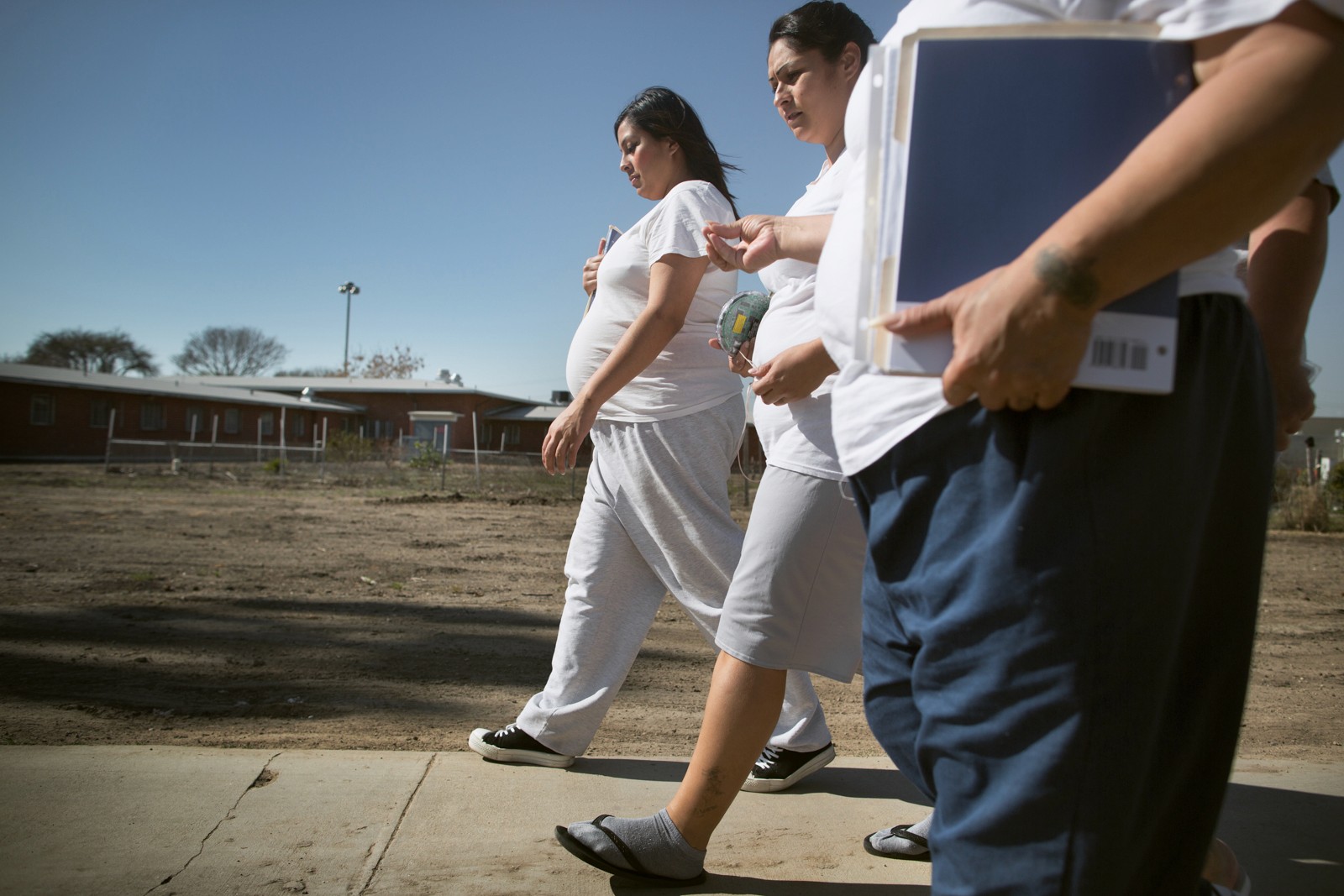
In June 2019, a female inmate at Grand Valley Institution for Women told Heather Mason by phone that medical staff were distributing the morning-after pill to female prisoners following sexual contact with male-bodied trans-identified inmates. At least three women required emergency contraception. One woman took the pill under the mistaken belief it offered protection against HIV and hepatitis B. The same period saw Steve Mehlenbacher — a career criminal transferred to Grand Valley from Edmonton Institution for Women — openly boasting of sexual activity with female inmates throughout the facility.
text
Catherine Lynn: The Man Who Murdered a Woman and Raped Her Corpse — Then Told the Parole Board He Wanted to Watch How Women "Walked, Talked, and Acted"
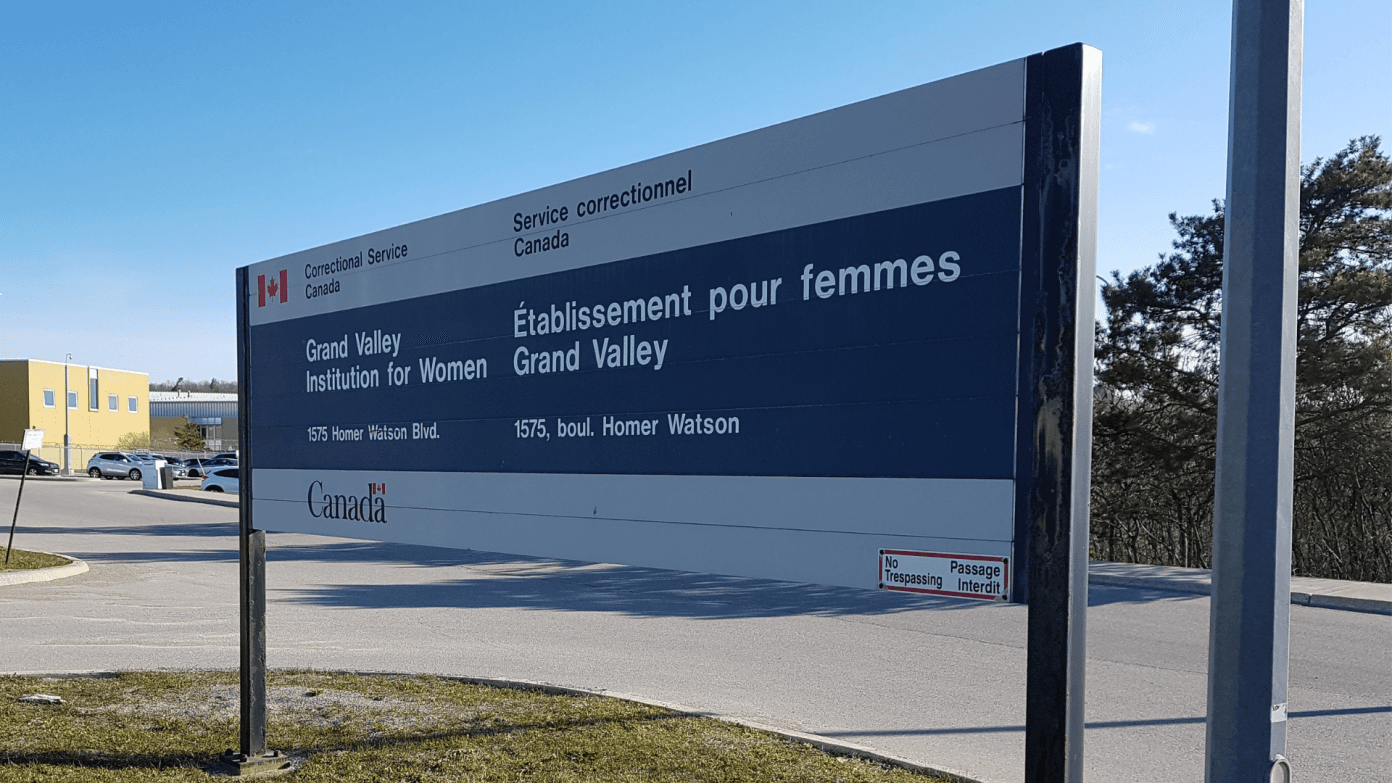
Catherine Lynn murdered a woman in her apartment in September 1995 — physically assaulting her, cutting her throat, and then sexually assaulting her corpse — before lying to police and later pleading guilty to second-degree murder. After the Parole Board denied his parole in April 2022 as an "undue risk to society," Lynn was transferred to Grand Valley Institution for Women, where he subsequently underwent taxpayer-funded sex reassignment surgery — having told the Parole Board he wanted to transfer to a women's prison to observe how women "walked, talked, and acted."