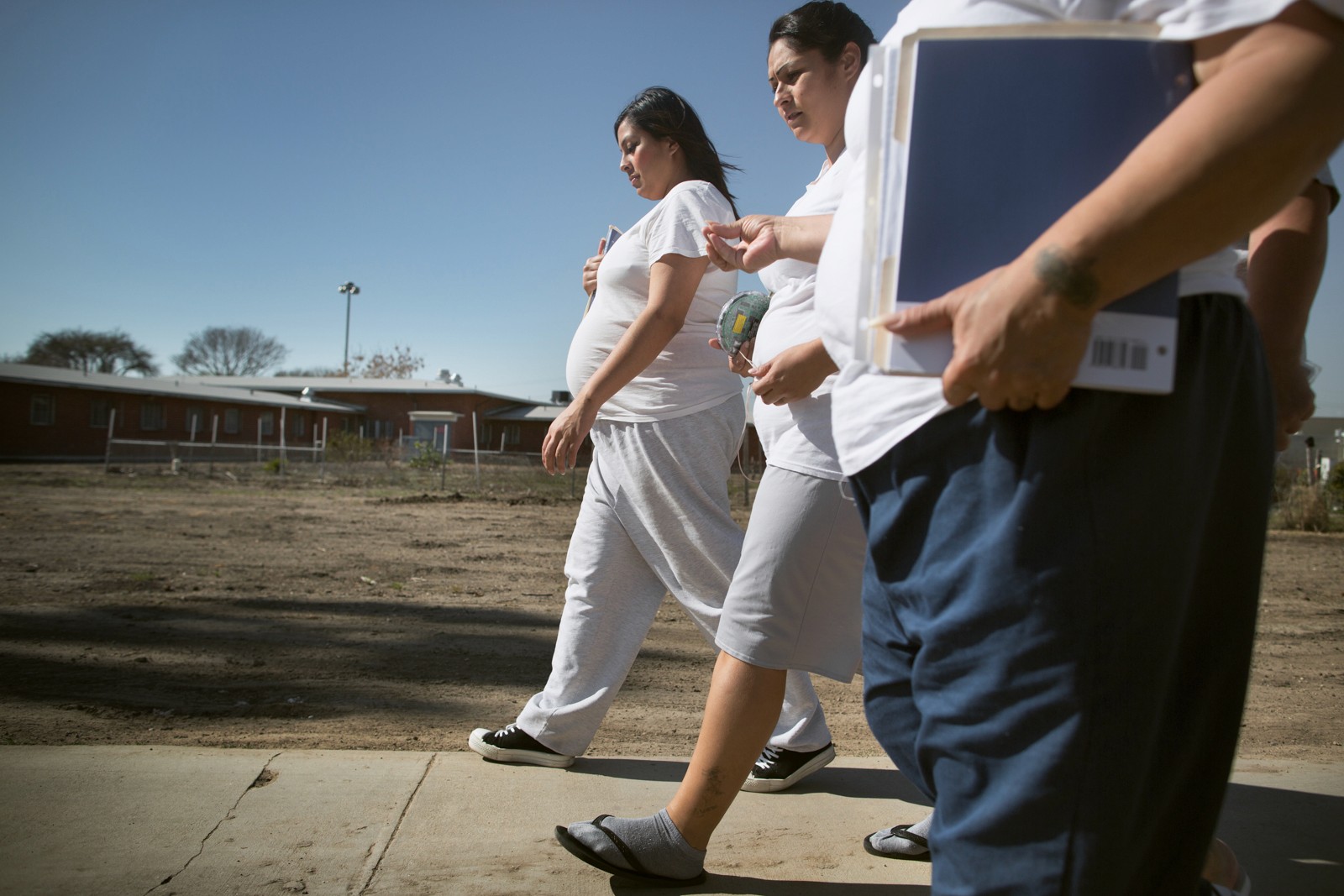
The Morning-After Pill at Grand Valley: What CSC Knew and Chose Not to Say
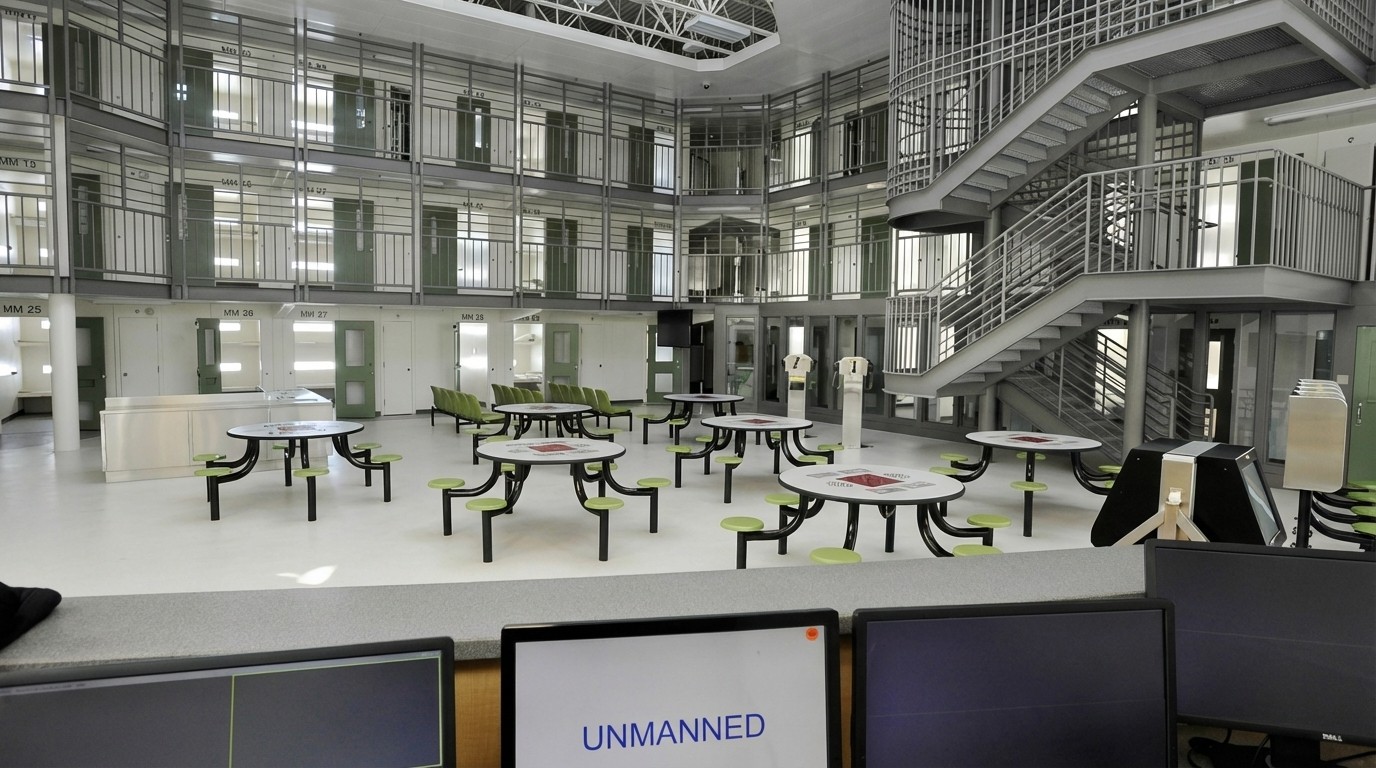


GIVEN NAME:
N/A
ALIAS:
N/A
DATE:
Jun-19
LOCATION:
Grand Valley Institution for Women, Kitchener, Ontario
In June 2019, a female inmate at Grand Valley Institution for Women told Heather Mason by phone that medical staff were distributing the morning-after pill to female prisoners following sexual contact with male-bodied trans-identified inmates. At least three women required emergency contraception. One woman took the pill under the mistaken belief it offered protection against HIV and hepatitis B. The same period saw Steve Mehlenbacher — a career criminal transferred to Grand Valley from Edmonton Institution for Women — openly boasting of sexual activity with female inmates throughout the facility.
Full Story
In June 2019, Heather Mason received a phone call from a friend inside Grand Valley Institution for Women.
The friend told her that medical staff at Grand Valley were handing out the morning-after pill to female prisoners.
The morning-after pill — Plan B, or emergency contraception — is taken to prevent pregnancy within 72 hours of unprotected sexual intercourse. It is not a routine medication. It is not distributed casually or prophylactically. It is given to women who have had sex with a biological male and are at risk of becoming pregnant.
Medical staff at a federal women's prison were distributing it to multiple female inmates. At least three women needed it.
This is not a detail that appears in any Correctional Service Canada press release, policy document, or parliamentary disclosure. It appears in a Facebook post that Heather Mason made in June 2019, based on what her contact inside Grand Valley had told her. It appears in Women Are Human's 2021 reporting, confirmed by multiple sources. It appears in Mason's brief to the Standing Committee on Public Safety and National Security. And it is documented in the records of Steve Mehlenbacher — the trans-identified male inmate whose sexual activity across Grand Valley's residential compound had created the situation to which CSC's medical staff were responding with emergency contraception.
This entry documents not a crime in the narrow legal sense. It documents something broader: a federal institution's tacit acknowledgment, expressed through the quiet distribution of emergency contraception to multiple female prisoners, that its placement policy was exposing incarcerated women to the risk of pregnancy from male-bodied inmates — and its choice not to disclose, address, or account for that fact publicly.
The Context — June 2019
Steve Mehlenbacher at Grand Valley
The morning-after pill distribution at Grand Valley in June 2019 did not occur in a vacuum. It occurred approximately one month after Steve Mehlenbacher — a career criminal with sixteen bank robbery convictions — had been transferred from Edmonton Institution for Women to Grand Valley.
The stated reason for Mehlenbacher's transfer from Edmonton to Grand Valley was to separate him from a woman at Edmonton with whom he had been sexually involved. CSC's response to the problem Mehlenbacher had created at Edmonton was not to return him to a men's institution. It was to transfer him to a different women's institution.
Mehlenbacher arrived at Grand Valley in approximately May 2019. Within weeks, the pattern that had characterized his time at Edmonton had re-established itself at Grand Valley. He was having sex with female inmates in the gym. In bathrooms. He was openly bragging to other inmates about his sexual activity across the compound. He told women directly that "he just wants to get laid." He bragged about being able to "get with all the women on compound."
By June 2019, Grand Valley medical staff were distributing the morning-after pill to female inmates.
What the Morning-After Pill Distribution Means
The morning-after pill does not distribute itself. A medical professional at Grand Valley — a nurse, a physician, a member of the healthcare team — assessed at least three female inmates and determined they needed emergency contraception. That determination requires, at minimum, knowledge that the inmate has had sexual contact with a biological male within the preceding 72 hours.
In a women's federal prison operating under a policy that allows male-bodied inmates to be housed in the general population, the only males available for that sexual contact are the trans-identified male inmates. The medical staff distributing the morning-after pill knew this. They were responding to a consequence — the risk of pregnancy — created by a policy decision they had not made and had no authority to reverse.
They distributed the medication. They did not, so far as the available record shows, make a formal report to CSC headquarters about the pregnancy risk being created by the placement of male-bodied inmates in a women's institution. They did not trigger a public health review of the policy's implications for female inmates. They did not make any public disclosure.
They distributed the morning-after pill. Quietly. To multiple women. And the policy continued.
"Not Really Trans"
Mason's contact at Grand Valley provided a detail that extends beyond the morning-after pill distribution and directly into the question of whether the inmates whose presence had created this situation were genuinely transgender or strategically self-identified.
The contact told Mason: "They currently have three trans inmates here and I use the term trans loosely here because they are openly telling the other female inmates they are not really trans."
This is documented evidence — from inside a women's federal institution, from a woman incarcerated there — that at least some of the trans-identified male inmates at Grand Valley were telling the female inmates around them, in private conversation, that they did not actually identify as women. They had declared a female gender identity to CSC in order to gain access to a women's institution. They were telling the women in that institution, man to woman, that the declaration was not genuine.
The policy has no mechanism to detect this. The assessment process that governs transfer decisions relies on the offender's self-declaration of gender identity. If an offender self-declares a female identity, the process is activated. If that same offender subsequently tells female inmates in private that he is not actually a woman, that information does not feed back into the assessment process. It is invisible to the system.
It is not invisible to the women who heard it. And it is not invisible to Heather Mason, who documented it in June 2019 and testified about it before Parliament in 2021.
One Woman's Confusion About What the Pill Does
Among the details Mason's contact provided was one that extends the story beyond emergency contraception into the broader public health picture of what happens when male-bodied inmates are housed with female prisoners.
One woman took the morning-after pill under the mistaken belief that it provided protection against HIV and hepatitis B.
It does not. The morning-after pill is a hormonal medication that prevents ovulation or fertilization. It has no antiviral properties. It does not reduce the risk of sexually transmitted infection of any kind.
The woman who took it for protection against HIV and hepatitis B was in a situation where she was concerned about contracting a bloodborne pathogen from sexual contact with a male-bodied inmate. She did not have accurate information about how to protect herself. She was incarcerated in a federal institution — a setting where health education and medical access are the responsibility of the state — and she was responding to a genuine public health risk created by that institution's policy with a medication that does not address that risk.
This is not simply a story about one woman's misunderstanding of a medication. It is a story about a federal institution creating a public health exposure — the risk of bloodborne pathogen transmission from male-bodied inmates to female inmates through sexual contact — and not adequately addressing it. The women at Grand Valley needed accurate information about STI risk because the institution's placement policy had created that risk. The institution's response was to distribute emergency contraception. The STI question remained unaddressed.
CSC's Implicit Acknowledgment and Explicit Silence
The morning-after pill distribution at Grand Valley in June 2019 represents a specific and documented form of institutional acknowledgment: CSC medical staff acknowledged, through their clinical response, that female inmates were at risk of pregnancy from male-bodied inmates in the facility.
They did not make this acknowledgment publicly. They did not report it to the minister responsible for corrections. They did not disclose it in any CSC publication, parliamentary testimony, or public communication. They distributed emergency contraception to multiple women and continued operating the institution under the same policy that had created the need for it.
This gap — between what CSC medical staff knew and what CSC disclosed — is the institutional accountability failure this entry documents. The transfer policy created a public health exposure. The clinical response to that exposure was documented in the medication records of at least three female inmates. The policy continued unchanged. The public was not informed.
Heather Mason was informed. A woman inside Grand Valley told her. Mason posted about it on Facebook. That Facebook post is the primary public record of what happened. It was noticed by women's rights advocates and by Women Are Human. It was eventually incorporated into Mason's parliamentary brief. It did not appear in any CSC communication.
What This Means for the Data
The Statistics Act entry in this database documents how Statistics Canada replaced biological sex with self-declared gender in crime reporting in 2019 — making it impossible to track male-perpetrated crime in national data when the male perpetrator identifies as female.
The morning-after pill distribution at Grand Valley is a concrete illustration of what that data gap means in practice.
If a female inmate at Grand Valley became pregnant following sexual contact with Steve Mehlenbacher in 2019 — and the emergency contraception failed, or was not taken — the pregnancy would involve a biological male father and a biological female mother. In the corrections data, Mehlenbacher was recorded as female. Any incident report, any pregnancy, any offspring would be processed through a data system that described Mehlenbacher as a woman.
The data system cannot show what the morning-after pill distribution showed: that male-bodied people were having sex with female inmates in a women's federal prison, that female inmates were becoming pregnant or at risk of becoming pregnant, and that CSC medical staff were responding to that risk with emergency contraception.
The data cannot show it because the data no longer distinguishes biological males from biological females in the federal corrections population. The morning-after pill distribution is the real-world correlate of a data system that has been redesigned to be incapable of capturing what is actually happening.
Parliament and the Record
On June 22, 2021, Heather Mason submitted her brief to the Standing Committee on Public Safety and National Security. The brief documented multiple harms arising from CSC's gender-diverse offender transfer policy. Among the documented harms, Mason included the morning-after pill distribution at Grand Valley as evidence that the policy had created conditions in which female inmates were exposed to pregnancy risk from male-bodied inmates housed with them by institutional policy.
The Standing Committee received the brief. The policy continued. Commissioner's Directive 100 was formally adopted in May 2022 — three years after the morning-after pill was being distributed at Grand Valley — entrenching the placement framework that had created the situation.
No member of Parliament, no minister, and no CSC official publicly acknowledged the morning-after pill distribution or addressed the pregnancy risk it documented.
Conclusion
Medical staff at Grand Valley Institution for Women distributed the morning-after pill to at least three female inmates in June 2019. They did so because those women had been exposed to pregnancy risk from a male-bodied inmate housed in their institution by federal policy.
At least one of those women did not understand what the medication she was being given actually did. She thought it would protect her from HIV and hepatitis B. It does not.
The male-bodied inmate whose sexual activity across the Grand Valley compound had created this situation told other female inmates, in private, that he was not actually transgender. He was telling women, one on one, that the identity he had declared to CSC to gain access to their institution was not genuine.
CSC medical staff distributed the emergency contraception and continued operating the institution under the same policy.
CSC made no public disclosure.
The policy continues.
Timeline
May 2019: Steve Mehlenbacher transferred to Grand Valley Institution for Women from Edmonton Institution for Women; CSC's stated reason is to separate him from a woman at Edmonton with whom he had been sexually involved
May–June 2019: At Grand Valley, Mehlenbacher immediately begins targeting female inmates; has sex with women in the gym and in bathrooms; brags openly about sexual activity across the compound; tells inmates "he just wants to get laid"
June 2019: A female inmate contacts Heather Mason by phone; tells Mason that Grand Valley medical staff are "handing out the morning after pill" to female prisoners
June 2019: Mason's contact at Grand Valley tells her: "They currently have three trans inmates here and I use the term trans loosely here because they are openly telling the other female inmates they are not really trans"
Confirmed: At least three women at Grand Valley required the morning-after pill (Plan B / emergency contraception) following sexual contact with Mehlenbacher
Confirmed: At least one woman took the morning-after pill under the mistaken belief it provided protection from HIV and hepatitis B — indicating she was concerned about STI transmission from a male-bodied inmate
June 2019: Mason posts about this on Facebook; the post becomes a key piece of documentation in subsequent advocacy and parliamentary testimony about conditions at Grand Valley
Significance: CSC medical staff distributing emergency contraception to multiple female inmates constitutes a de facto institutional acknowledgment that male-bodied inmates are having sexual contact with female inmates in a facility designed to house women — without CSC making any public disclosure of this fact
2021: Mason references the morning-after pill distribution in her brief to the Standing Committee on Public Safety and National Security as evidence of the harms of the self-identification transfer policy
References
Women Are Human (February 8, 2021). "Transgender Inmate Charged with Sexual Assault at a Women's Prison." https://www.womenarehuman.com/transgender-inmate-charged-with-sexual-assault-at-a-womens-prison/
Women Are Human (January 29, 2021). "Violent Male Offenders are Being Transferred to Women's Prisons in Canada." https://www.womenarehuman.com/violent-male-offenders-are-being-transferred-to-womens-prisons-in-canada/
The Interim (January 27, 2020). "Transgender convicts terrorize women in all-female Canadian prisons." https://theinterim.com/issues/society-culture/transgender-convicts-terrorize-women-in-all-female-canadian-prisons/
Mason, Heather (June 22, 2021). Brief to the Standing Committee on Public Safety and National Security. https://www.ourcommons.ca/Content/Committee/432/SECU/Brief/BR11468302/br-external/MasonHeather-e.pdf
Correctional Service Canada, Commissioner's Directive 100: Gender Diverse Offenders (in effect May 9, 2022): https://www.canada.ca/en/correctional-service/corporate/acts-regulations-policy/commissioners-directives/100.html
Corrections and Conditional Release Act, SC 1992, c 20: https://laws-lois.justice.gc.ca/eng/acts/C-44.6/
Statistics Act, RSC 1985, c S-19: https://laws-lois.justice.gc.ca/eng/acts/S-19/
Canadian Women's Sex-Based Rights (caWsbar): https://cawsbar.ca/
text
Mohamad Al Ballouz: The Triple Murderer Who Identified as Transgender After Arrest — and Whose Transfer Request Drove Quebec to Reform Its Prison Policy
Mohamad Al Ballouz stabbed his common-law partner Synthia Bussières twenty-three times in their Brossard, Quebec family home in 2022, then killed their five-year-old son Éliam and two-year-old son Zac, drank windshield wiper fluid, and set the family condo on fire to destroy evidence. After arrest, Al Ballouz began identifying as a woman, was briefly placed in a women's provincial facility during trial, and upon conviction in December 2024 requested transfer to the Joliette Institution for Women. CSC denied the request in April 2025. Al Ballouz's case directly prompted Quebec to announce in June 2025 that transgender provincial inmates would be housed according to anatomical sex — the first such provincial directive in Canada.
text
Vancouver Rape Relief: How Canada's Oldest Rape Crisis Centre Lost Its City Funding for Doing Exactly What Courts Said It Had the Legal Right to Do
Vancouver Rape Relief and Women's Shelter, founded in 1973 and Canada's oldest rape crisis centre, lost its annual City of Vancouver grant of $34,312 in 2019 after refusing to change its policy of offering core services exclusively to women born female. The defunding was led by transgender activist and BC NDP Vice President Morgane Oger and supported by city councillors who cited Vancouver's non-discrimination policy on gender identity. VRR had previously won the legal right to maintain its women-only policy through multiple court challenges up to the Supreme Court of Canada. In August 2019, its storefront was spray-painted with "KILL TERFS" and a dead rodent was nailed to its door.