Single Sex Spaces & Services
Privacy, Dignity, and Safety: Why Women Still Need Single-Sex Spaces
Single-sex spaces for women weren't created from prejudice or hatred. They emerged from recognition of material reality: women face distinct vulnerabilities, privacy needs, and safety concerns that sometimes require spaces separate from males.
Domestic violence shelters exist because women need refuge from male violence.
Women's hospital wards exist because intimate medical care requires dignity and privacy.
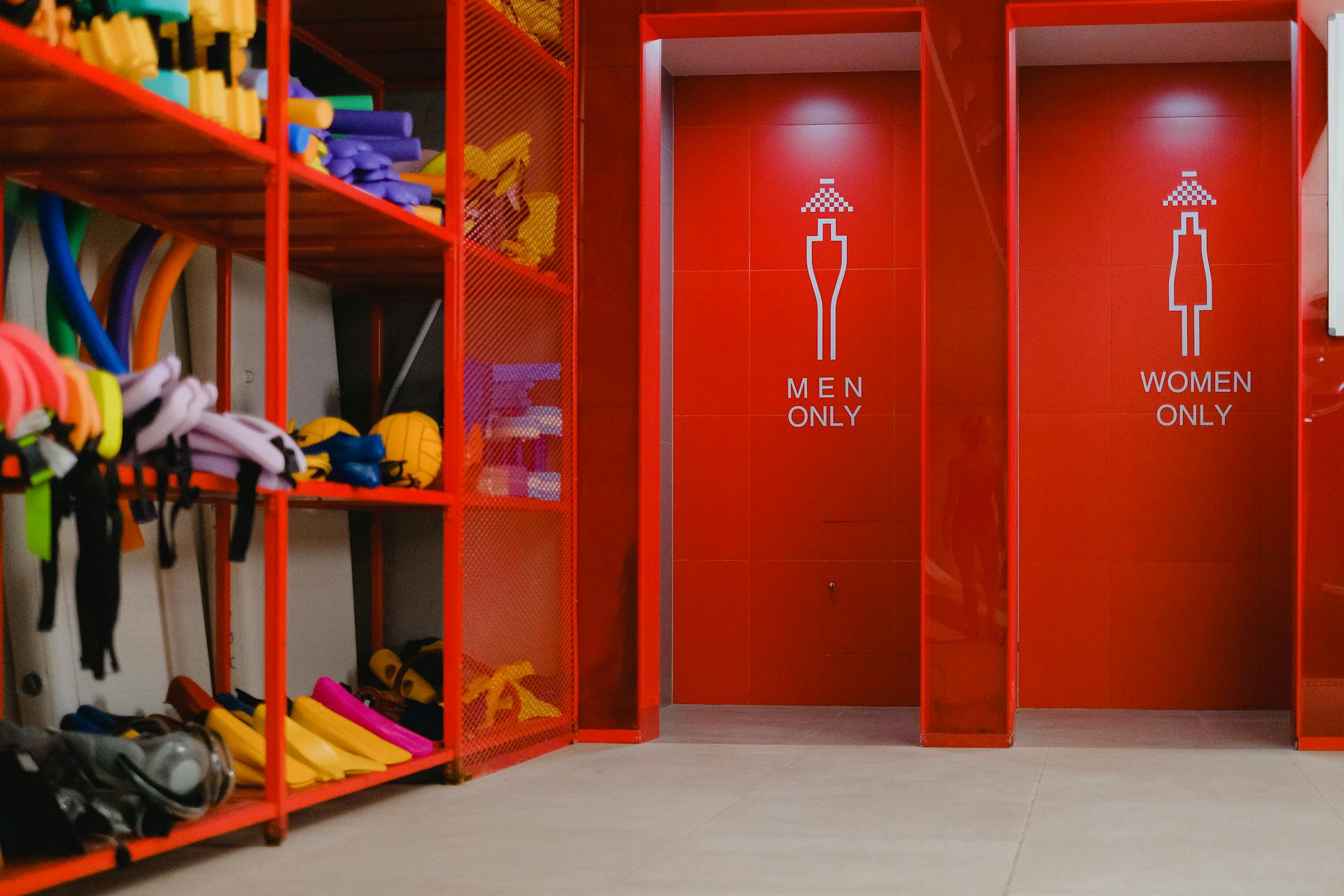
Women's changerooms and bathrooms exist because women deserve bodily privacy from male observation.
Women's prisons exist separately from men's because male inmates commit high rates of sexual violence against female inmates.
These spaces recognize that biological sex matters—that male and female bodies are different, that male violence against women is pervasive, that women's privacy and dignity deserve protection.
Yet across Canada, these single-sex spaces are being systematically eliminated. Policies allowing males into women's spaces based solely on gender identity claim to increase inclusion while actually removing protections women fought decades to establish.
The consequences are real, measurable, and harmful—particularly for the most vulnerable women who need these spaces most.
Rape Crisis Centers and Women's Shelters
No space illustrates the importance of single-sex provisions more starkly than rape crisis centers and domestic violence shelters.
Why Single-Sex Shelters Exist:
Women fleeing male violence are in extreme crisis. Many have been raped, beaten, stalked, and terrorized by male intimate partners. They arrive at shelters traumatized, vulnerable, and desperate for safety.
For these women, safety isn't just physical—it's psychological. Many cannot feel safe in the presence of any male person, regardless of that person's internal identity. The sound of a male voice, the sight of a male body, the presence of male physical characteristics can trigger severe PTSD responses that prevent healing.
This isn't prejudice—it's trauma. And trauma-informed care requires respecting these responses.
The Single-Sex Model:
Traditional women's shelters provided:
Female-only residents
Female-only staff (particularly overnight and for intimate care)
Freedom from male presence in sleeping areas, bathrooms, and common spaces
Counseling from women who understood male violence against women from lived experience
This model worked. It saved lives. It helped women heal.
The Vancouver Rape Relief Case:
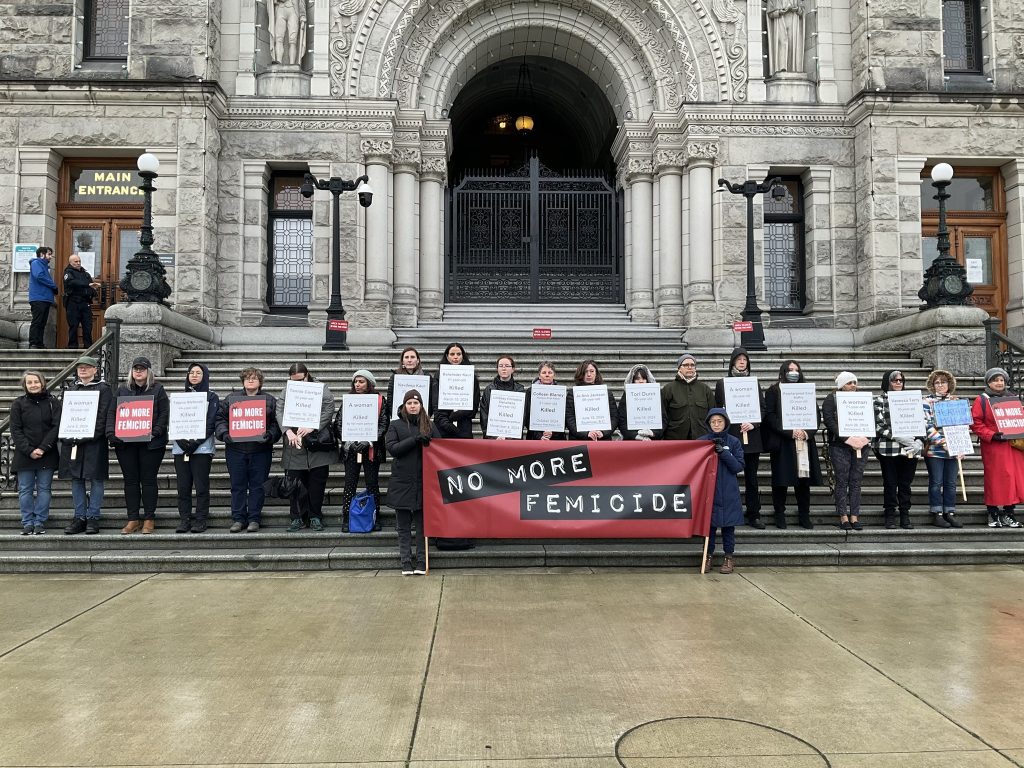
Vancouver Rape Relief & Women's Shelter is Canada's oldest rape crisis center, operating since 1973. They maintained a policy of employing only biological females to staff their crisis line, provide counseling, and work in their transition house.
Their reasoning was straightforward: women who have been raped by men often cannot feel safe with any male counselor or resident, regardless of identity. The organization's entire model centered on providing female-only space for trauma recovery.
In 2019, the City of Vancouver stripped VRR of $30,000 in annual funding—not for poor performance, not for inadequate service, but because they wouldn't hire a biological male who identified as a woman for their crisis line.
The message was clear: maintain female-only service for rape survivors, or lose public funding.
Vancouver Rape Relief: how Canada's oldest rape crisis centre was defunded for protecting women
Founded in 1973, Vancouver Rape Relief and Women's Shelter is Canada's oldest rape crisis centre. For nearly 50 years it has served women and children fleeing male violence — providing a 24-hour crisis line, peer counselling, and a transition house. Its female-only policy exists because women who have survived male violence need a space free from males to heal.
The Impact:
This case sent shockwaves through women's services across Canada. Organizations learned: if you maintain sex-based boundaries, even for the most trauma-informed, evidence-based reasons, you risk losing funding.
The result? Many shelters quietly changed policies. They began accepting males who identify as women, not because evidence showed this was better for the women they serve, but because the alternative was organizational death.
Women fleeing male violence may now encounter:
Biological males in their shelter
Males in shared sleeping quarters
Males in bathrooms and showers
Male staff providing intimate care
Choice: accept male presence or leave
For women whose trauma makes them unable to feel safe around any male, this eliminates the refuge shelters were meant to provide.
Healthcare Settings: Hospital Wards and Intimate Care
Medical care involves vulnerability—bodies exposed, intimate procedures, painful treatments. Privacy and dignity matter profoundly in these moments.
Traditional Single-Sex Hospital Wards: | The Policy Change: |
|---|---|
Hospitals have historically separated patients by sex for:
| Increasingly, hospitals place patients in wards according to gender identity rather than biological sex. This means:
|
Why This Mattered:
Dignity in Vulnerability: Medical patients are often partially or fully unclothed, catheterized, bathed by staff, or recovering from surgery affecting private areas. Single-sex wards protected dignity during these vulnerable moments.
Religious and Cultural Needs: Many religious and cultural traditions require sex-segregated spaces, particularly for intimate care. Muslim, Orthodox Jewish, and other women may be unable to accept medical care in mixed-sex settings without violating deeply held beliefs.
Safety for Vulnerable Patients: Psychiatric patients, dementia patients, and other cognitively impaired individuals are particularly vulnerable to sexual assault and exploitation. Single-sex wards provided protection.
Intimate Care Problems:
Beyond ward placement, there's the issue of who provides intimate care:
The Case of Male Nurses in Female Care: | Patient Requests Denied: |
|---|---|
Biological males who identify as women may be assigned to provide intimate care to female patients including:
| Female patients who request female providers for intimate care may be told:
This denies women the right to same-sex intimate care—a fundamental dignity issue. |
Particular Harms to Vulnerable Women:
Sexual Assault Survivors: May be unable to tolerate male touch or presence during intimate procedures.
Religious Women: May violate religious requirements by accepting intimate care from males.
Elderly Women: Raised in era with strict sex-based modesty norms; may experience profound distress at intimate care from males.
Psychiatric Patients: May have specific traumas or conditions making male presence in intimate settings harmful.
For these women, denying same-sex intimate care isn't a minor inconvenience—it's a violation of dignity and autonomy that may lead them to refuse necessary medical care.
Changerooms, Bathrooms, and Spa Facilities
Public facilities have historically been sex-segregated for privacy and safety reasons.
The Traditional Model: | The Policy Change: | "Just Get Over It": |
|---|---|---|
Public spaces separate by sex for activities involving:
This recognized that most people prefer privacy from the opposite sex during these vulnerable moments. | "All-gender" or "gender-neutral" facilities replace single-sex spaces. Or, policies allow people to use facilities matching their gender identity regardless of biological sex. This means:
| Women who express discomfort are often told:
This dismisses women's legitimate privacy needs and safety concerns as prejudice requiring correction. |
Why Women Particularly Need This:
Bodily Privacy: Women face pervasive sexualization and objectification. Single-sex spaces provided freedom from male gaze during vulnerable moments.
Safety: Women are vulnerable to voyeurism, harassment, and assault in spaces where they're undressing or in states of undress. Male-free spaces reduced these risks.
Menstruation: Managing menstruation requires privacy. Single-sex bathrooms provided this without embarrassment.
Breastfeeding: Women need private spaces for nursing. Single-sex accommodations facilitated this.
The Spa Case Study:
Women-only spas have existed specifically to provide spaces where women can relax, swim, and use facilities without male presence. Some women use these spaces because of:
Religious requirements
Body image issues
History of sexual trauma
Preference for female-only environment
When policies force these facilities to accept biological males who identify as women, the facilities lose their entire purpose. Women seeking male-free space have nowhere to go.
Sexual assaults in changing rooms: unisex facilities vs. single-sex
A 2018 investigation by The Sunday Times obtained data from British public swimming pools and sports centres showing that unisex changing facilities — despite making up less than half of total provision — accounted for 9 in 10 sexual assault complaints.
Prisons: The Most Extreme Failure
The prison context reveals the starkest consequences of eliminating sex-based boundaries. (Note: This is covered in detail in the Prison Safety blog post, so this section will be brief.)
The Policy: | Since 2017, Canadian federal prisons allow inmates to request transfer to institutions matching their gender identity, regardless of biological sex or criminal history. |
The Results: | Biological males, including those convicted of violent sexual offenses against women, have been housed in women's federal prisons. Documented consequences include:
|
Who This Affects: | Female federal prisoners are disproportionately:
These women—already among Canada's most vulnerable—are being housed with males against their will, with no ability to refuse or escape. |
Religious and Cultural Women
The elimination of single-sex spaces particularly harms women whose religious or cultural traditions require sex-segregation.
Who This Affects: |
|
What They Lose: | Public Facility Access: When public pools, gyms, changerooms don't offer truly female-only times/spaces, these women cannot use them. Medical Care: Cannot accept intimate care from males, meaning they must forgo necessary medical procedures or violate religious obligations. Education: May be unable to participate in physical education, swimming, or other activities if truly single-sex accommodations aren't available. Employment: Some jobs require using changerooms or facilities; if not single-sex, these jobs become inaccessible. |
The Dismissal: | Concerns from religious women are often dismissed as:
This is religious discrimination. These women's needs for single-sex space are being sacrificed to gender identity ideology. |
The "Inclusion" Paradox
Policies eliminating single-sex spaces are framed as "inclusion"—including transgender individuals in spaces matching their identity.
But inclusion for one group shouldn't mean exclusion for another.
What Women Lose: | The False Binary: |
|---|---|
When males are included in women's spaces, women who need male-free environments are excluded. They lose:
This isn't theoretical. Real women—trauma survivors, religious women, elderly women, incarcerated women—are being excluded from spaces meant to serve them. | We're presented with a false choice: either include transgender individuals in spaces matching their identity, OR maintain single-sex spaces for women. But there are other options:
The current approach—automatically prioritizing gender identity over biological sex in all contexts—isn't the only possibility. It's a political choice. |
The Evidence That Sex Matters
Policies allowing males into female spaces based on identity assume that:
Gender identity is what matters, not biological sex
Males who identify as women present no different risks than biological females
Women's discomfort is prejudice that should be overcome
But evidence contradicts these assumptions:
Male Violence Patterns Persist: | Physical Differences Remain: | Women's Trauma is Real: |
|---|---|---|
Males who identify as women commit crimes at male-typical rates, not female-typical rates. This includes sexual offenses and violence. A male sex offender who identifies as a woman doesn't become less dangerous by changing identity. | Males retain male size, strength, and physical capacity regardless of identity. In contexts where physical vulnerability matters (changerooms, shelters, prisons), these differences create legitimate safety concerns. | Survivors of male violence often cannot feel safe around any male person. This is a trauma response, not bigotry. Dismissing it as prejudice misunderstands trauma and prevents healing. |
What Policy Should Look Like
Protecting women's single-sex spaces doesn't require cruelty toward transgender individuals. Both groups can have their needs met—but not by sacrificing women's boundaries.
1. Sex-Based Spaces Remain Available: | Where privacy, safety, dignity, or trauma-informed care require it, biological-sex-based spaces should be maintained and protected. |
2. Third Options Where Appropriate: | Individual bathrooms, separate facilities, or third-space options can serve those uncomfortable with sex-based accommodations. |
3. Context-Specific Assessment: | Not all contexts require the same approach. Prisons and shelters involve different considerations than public bathrooms. Policy should allow for nuance. |
4. Women's Organizational Freedom: | Women's organizations serving trauma survivors or maintaining female-only missions should be free to do so without losing funding or facing legal challenges. |
5. Religious Accommodation: | Women's religious needs for sex-segregated space must be accommodated in public facilities. |
6. No Compelled Acceptance: | Women should not be forced to accept male presence in intimate settings or punished for requesting same-sex accommodations. |
The Path Forward
Protecting single-sex spaces requires:
Legal Clarity: | Legislation explicitly protecting the right to maintain single-sex spaces, services, and organizations where sex-based boundaries serve legitimate purposes including safety, privacy, dignity, and trauma-informed care. |
Funding Protection: | Organizations maintaining sex-based policies for mission-appropriate reasons should not lose public funding. |
Healthcare Rights: | Patients' right to request same-sex intimate care should be protected and accommodated where possible. |
Institutional Freedom: | Women's shelters, rape crisis centers, and other trauma-focused services should have the freedom to maintain female-only policies. |
Balanced Accommodation: | Create solutions serving multiple needs rather than sacrificing women's sex-based spaces entirely. |
Conclusion
Single-sex spaces for women weren't created casually. They emerged from hard-won recognition that:
Women face specific vulnerabilities requiring protection
Bodily privacy matters for dignity
Trauma responses to male presence are real and must be respected
Religious and cultural needs for sex-segregation deserve accommodation
Safety sometimes requires separation by sex
These remain true. Male violence against women persists. Women still need privacy. Trauma survivors still need spaces to heal. Religious women still have beliefs requiring accommodation.
Yet these spaces are being systematically eliminated—not because evidence shows women no longer need them, but because gender identity ideology demands it.
The most vulnerable women pay the price: rape survivors denied female-only refuge, prisoners housed with male inmates, religious women excluded from public facilities, elderly women denied same-sex intimate care.
Women deserve better. We deserve spaces where we feel safe, where our privacy is protected, where our dignity is respected, where our trauma is understood. That's not too much to ask. That's basic humanity.
Single-sex spaces must be protected—for women's safety, for women's dignity, for women's rights.
What's Being Lost
Rape Crisis Centers & Women's Shelters | Loss of female-only spaces for trauma survivors
Loss of trauma-informed care
Organizational freedom
|
Healthcare Settings | Hospital rooms and wards
Intimate care
Mental health facilities
|
Changerooms, Bathrooms, Spa Facilities | Loss of bodily privacy
Safety concerns
Religious/cultural accommodation
|
Prisons (already covered but also affects visitors) | Female staff, volunteers, visitors exposed to males in intimate settings |
Affected Populations
References
Canadian Association of Elizabeth Fry Societies. (2024). Women in corrections: Demographics and needs. Retrieved from https://caefs.ca/
Equality and Human Rights Commission UK. (2023). Provision of single-sex and separate-sex services: A guide for service providers. Retrieved from https://www.equalityhumanrights.com/guidance/service-providers-guide-gender-reassignment-and-single-sex-separate-sex-service-provision
Hurst, G. (2018). NHS staff can overrule woman's request for female doctor. The Times. Retrieved from https://www.thetimes.co.uk/
Kirkup, J. (2022). Maya Forstater and the battle for free speech. The Spectator. Retrieved from https://www.spectator.co.uk/
Ontario Human Rights Commission. (2014). Policy on preventing discrimination because of gender identity and gender expression. Retrieved from http://www.ohrc.on.ca/en/policy-preventing-discrimination-because-gender-identity-and-gender-expression
Vancouver Rape Relief & Women's Shelter v. Nixon, 2021 BCSC 1241; 2022 BCCA 367. Retrieved from https://www.courts.gov.bc.ca/jdb-txt/sc/21/12/2021BCSC1241.htm
Women's Human Rights Campaign. (2024). Single-sex spaces and services: Policy brief. Retrieved from https://www.womensdeclaration.com/
Women's Liberation Front. (2024). Single-sex spaces documentation and advocacy. Retrieved from https://www.womensliberationfront.org/