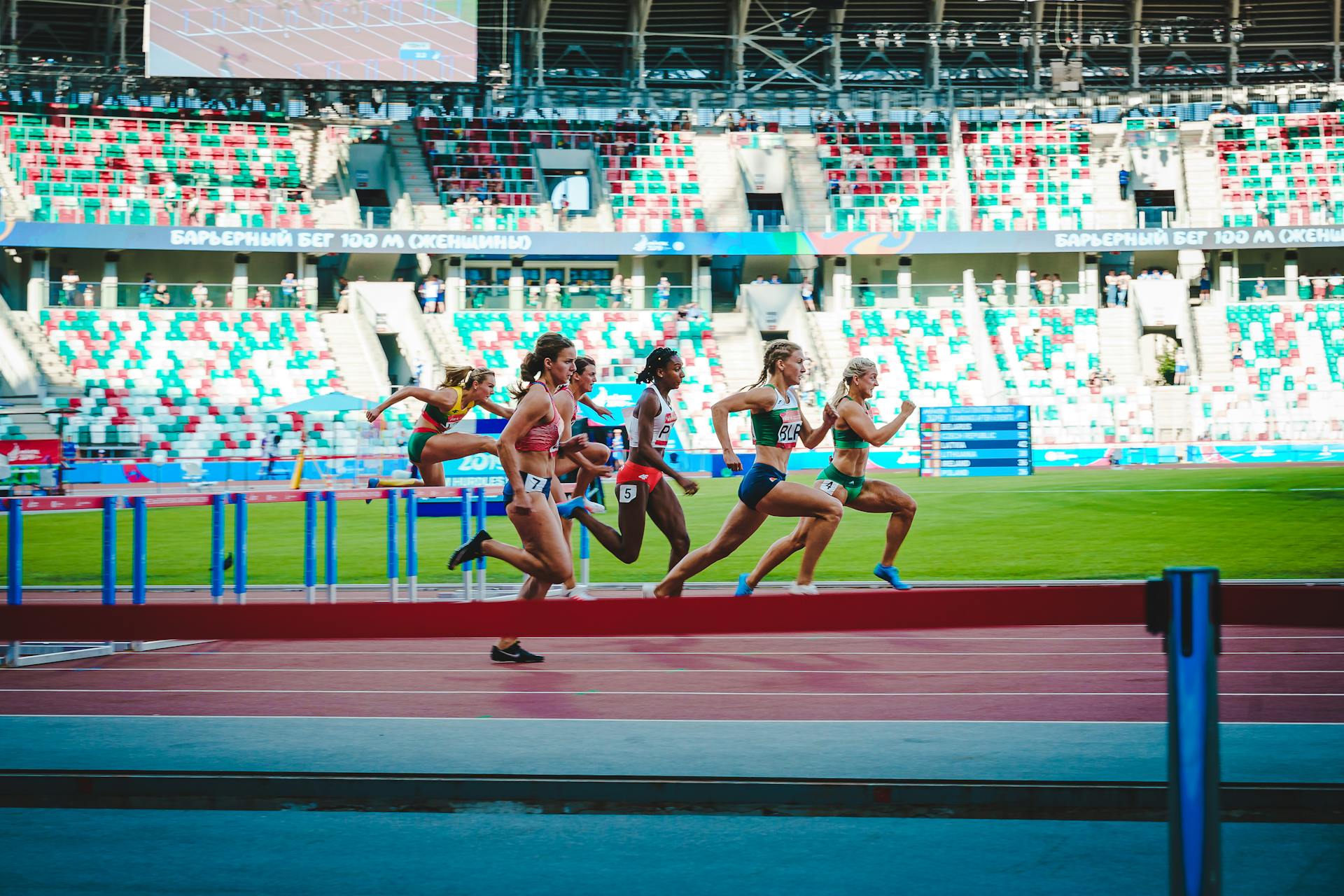
Women's Sports & Athletic Opportunity
Fair Play or Foul? Why Biological Sex Still Matters in Women's Sports
Women's sports exist as separate categories for one simple reason: male puberty confers significant, lasting athletic advantages that make fair competition between males and females impossible in most sports.
This isn't controversial biology—it's observable reality. It's why we have women's sports in the first place.
Yet policies allowing biological males to compete in women's sport categories based on gender identity or limited testosterone suppression are systematically dismantling fair competition for female athletes. Women who have trained their entire lives are losing medals, scholarships, records, and advancement opportunities to male competitors whose physical advantages make victory almost inevitable.
Female athletes who raise concerns about fairness are accused of bigotry. Those who speak up risk losing sponsorships, team positions, and career opportunities. Coaches and parents who try to protect girls face social and professional consequences.
The message is clear: women's athletic opportunities matter less than validating male identity claims. Competitive fairness for females is negotiable.
This isn't just unfair—it's the erasure of women's sports as a meaningful category.
Why Women's Sports Exist
Understanding why policies allowing males in women's sports are problematic requires understanding why sex-segregated sports exist at all.
The Biological Reality:
Male puberty produces significant physical changes that create athletic advantages:
Muscle Mass and Strength: |
|
Skeletal Differences: |
|
Cardiovascular Advantages: |
|
Other Physiological Differences: |
|
What This Means:
These differences mean that in most sports, average male performance exceeds elite female performance. This isn't subtle—the gaps are substantial:
Men's 100m sprint record: 9.58 seconds (Usain Bolt)
Women's 100m sprint record: 10.49 seconds (Florence Griffith-Joyner)
Men's marathon record: 2:00:35 (Eliud Kipchoge)
Women's marathon record: 2:11:53 (Tigist Assefa)
Men's high jump record: 2.45m (Javier Sotomayor)
Women's high jump record: 2.09m (Stefka Kostadinova)
In sports involving strength, speed, or power, high school boys routinely outperform Olympic female athletes. The U.S. Women's National Soccer Team—world champions—regularly trains against and loses to high school boys' teams.
The male-female athletic performance gap — by event and sport
Male athletes outperform female athletes across every sport and distance studied. The gap averages ~10% in running and swimming, rises to 17.5% in field events, and exceeds 20% in weightlifting. Crucially, this gap has been stable since approximately 1990 — it is not closing. Hover over any bar to see the world record source.
The Solution: Sex Categories
Sports created separate female categories to allow women to compete fairly and achieve athletic excellence. Without these categories, women would be almost entirely excluded from competitive sports.
This isn't discrimination against males—it's recognition of biological reality that enables female athletic opportunity.
The Current Policy Landscape
Increasingly, sports organizations allow biological males to compete in women's categories based on:
Self-Identification: Some youth and amateur leagues allow males to compete as females based solely on gender identity declaration.
Testosterone Suppression: Some organizations require males to suppress testosterone below certain levels for a specified period (typically 12 months).
Surgery: Some organizations previously required genital surgery, though this is becoming rarer.
The Problem: None of these approaches eliminate the advantages conferred by male puberty.
Why Testosterone Suppression Doesn't Create Fair Competition
The most common policy—allowing males who have suppressed testosterone to compete in women's categories—is based on flawed assumptions. Multiple studies examine whether testosterone suppression eliminates male athletic advantages:
Hilton & Lundberg (2021) - Sports Medicine:
Comprehensive review found:
Males retain significant advantages even after testosterone suppression
Muscle mass decreases modestly but remains well above female norms
Strength decreases approximately 5% - far less than the male advantage
Cardiovascular advantages remain largely intact
Skeletal advantages (height, bone density, limb ratios) are permanent
Harper et al. (2021) - British Journal of Sports Medicine:
Study of transgender military personnel found:
After 2+ years of testosterone suppression, males retained substantial strength advantages
Running times improved modestly but males still significantly outperformed females
Push-up and sit-up performance retained male advantage
The Biology:
This makes sense biologically. Testosterone suppression:
Can Reduce: Some muscle mass, some strength, some hemoglobin levels
Cannot Change: Skeletal structure, height, wingspan, hand/foot size, pelvic angle, lung volume, heart size, tendon and ligament structure developed during male puberty
Males who undergo puberty develop permanent advantages that testosterone suppression cannot eliminate. A male who was 6'2" with large hands, long limbs, and dense bones doesn't become 5'6" with small hands when testosterone is suppressed.
Real Cases: Women Losing to Male Competitors
This isn't theoretical. Female athletes are losing real opportunities to male competitors:
Swimming - Lia Thomas:
William Thomas competed on the University of Pennsylvania men's swim team for three years, ranking around 450th nationally in men's competition.
After transitioning and competing in women's events (following NCAA testosterone suppression requirements), Thomas:
Won the NCAA Division I Women's 500-yard freestyle championship
Set numerous pool records in women's events
Displaced female swimmers who had trained their entire lives for these opportunities
Stood on podiums where biological females should have stood
Female competitors described watching Thomas—taller, with larger hands and feet, with different body structure—dominate races. They described the unfairness of competing against someone with male physical advantages. They described being afraid to speak up for fear of being labeled transphobic.

Track and Field - Multiple Cases:
Males competing in women's track and field have won state championships, broken records, and taken podium positions from female competitors across multiple U.S. states and internationally.
In Connecticut, males took 15 state championship titles that would have gone to female runners. Female athletes filed a lawsuit (later dismissed on technical grounds) arguing their rights under Title IX were being violated.
Cycling - Multiple International Cases:
Male cyclists competing in women's categories have won national championships, international events, and set records in multiple countries.
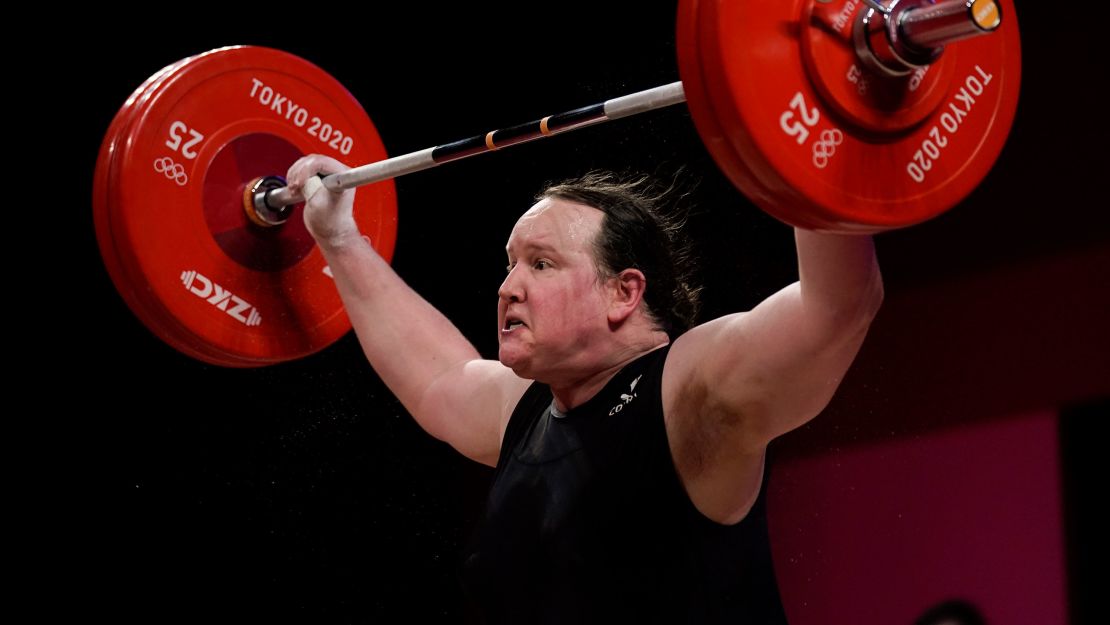
Weightlifting - Laurel Hubbard:
At age 43, Laurel Hubbard (a biological male) competed in the Tokyo Olympics in women's weightlifting. While Hubbard didn't medal, the participation displaced a female athlete who would otherwise have competed.
Hubbard had competed as a male weightlifter years earlier before transitioning.
Combat Sports:
Males competing against females in combat sports (MMA, boxing, martial arts) create particular safety concerns beyond fairness. Male bone density, strength, and striking power can cause serious injury.
Fallon Fox, a male MMA fighter competing in women's divisions, fractured the skull of female opponent Tamikka Brents during a 2014 fight. Brents later stated: "I've fought a lot of women and have never felt the strength that I felt in a fight as I did that night."

When males compete in women's sports, female athletes lose:
Podium Positions: | Every medal won by a male competitor is a medal not won by a female athlete. That female athlete loses not just recognition, but everything that comes with it—scholarships, sponsorships, career advancement, historical recognition. |
Records: | Records set by male competitors stand in record books as "women's records"—erasure of actual female achievement and creation of unbeatable standards for future female athletes. |
Scholarship Opportunities: | College sports scholarships provide education access for many young women. When males take roster positions and scholarship money, female athletes lose these opportunities. |
Professional Advancement: | Success in amateur and college sports can lead to professional opportunities, sponsorships, and careers. Males taking these positions block female athletes' career paths. |
Simply Participating: | Team rosters have limited positions. When males take spots, females are cut from teams entirely—losing the chance to compete at all. |
The Joy of Fair Competition: | Beyond tangible losses, there's the psychological impact of knowing you cannot win fairly. Female athletes describe training their hardest and still losing to male competitors whose advantages have nothing to do with training or skill. |
The scale of male participation in female sport
Women's sport exists as a separate category because male puberty confers permanent physiological advantages that make fair competition impossible. These numbers document what happens when that boundary is removed — real female athletes losing real opportunities to male competitors.
Safety in Contact Sports
In sports involving physical contact—rugby, hockey, basketball, soccer, martial arts—male competitors create injury risk beyond fairness concerns.
The Physics: | Real Injuries: | The Risk Calculation: |
|---|---|---|
Males have:
When males collide with females in contact sports, the injury risk is significant. | Female rugby players have suffered serious injuries—broken bones, concussions, torn ligaments—in collisions with male players. In high school basketball, female players have been injured by male competitors whose size and strength advantages created dangerous situations. | Parents are faced with impossible choices: allow daughters to play sports with injury risk from male competitors, or pull them from sports entirely. Female athletes shouldn't have to choose between participating in their sport and avoiding serious injury from unfairly matched competitors. |
The Changeroom Problem
Beyond competition itself, there's the issue of shared facilities.
Female athletes on teams with male competitors must:
Change clothes in presence of males
Shower with males present
Share intimate team spaces with males
This violates privacy and creates discomfort, particularly for adolescent girls navigating puberty and developing sexuality.
Some teams create separate changing arrangements for male competitors—but this essentially concedes that biological sex matters for privacy even while claiming it doesn't matter for competition.
The Silencing of Female Athletes
Female athletes learn: stay silent about unfairness, or face destruction of your athletic career and reputation. Your concerns don't matter. Fairness for you is negotiable.
This is a form of institutional betrayal—the sports organizations meant to protect female athletes' interests are sacrificing those interests to ideology.
The Consequences of Speaking:
Female athletes who raise concerns about male competitors face:
Loss of Sponsorships: Companies drop athletes who express these views, fearing backlash.
Team Removal: Athletes have been removed from teams or had scholarships threatened.
Social Ostracism: Teammates, coaches, and communities turn against athletes who speak up.
Media Attacks: Athletes are called bigots, transphobes, and hateful.
Career Destruction: Future opportunities disappear when athletes are labeled controversial.
1st place finishes taken from female athletes — by sport
Male athletes competing in female categories have claimed first place finishes across 28+ sports, from Olympic events to high school championships. The ten sports shown here represent the categories with the most documented wins. Each sport name links directly to HeCheated's verified results page for that category.
Martina Navratilova:
Tennis legend and LGBT rights advocate was dropped as an ambassador for Athlete Ally after expressing concerns about fairness in women's sports.

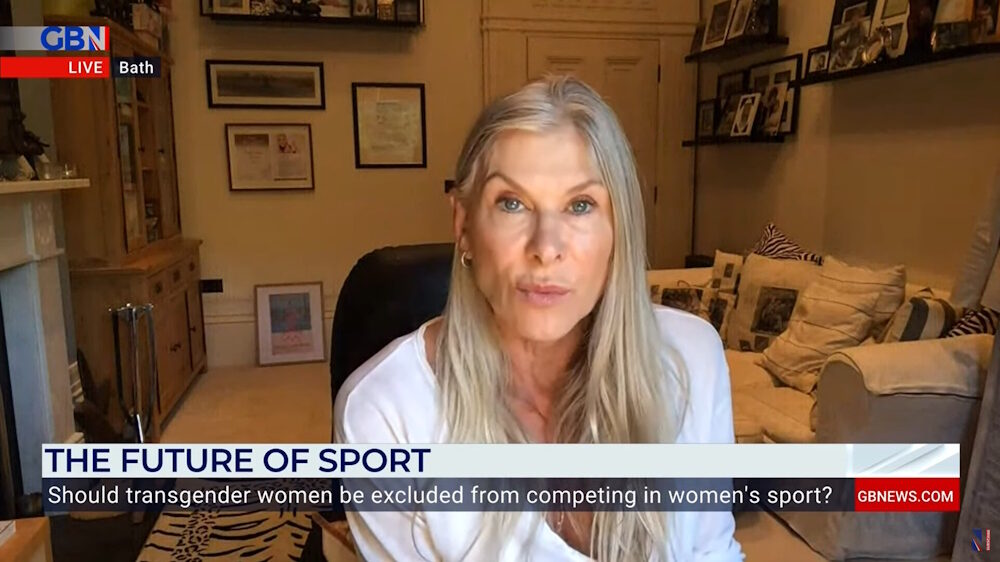
Sharron Davies:
Olympic swimmer faces ongoing harassment for advocating for fair competition in women's sports.
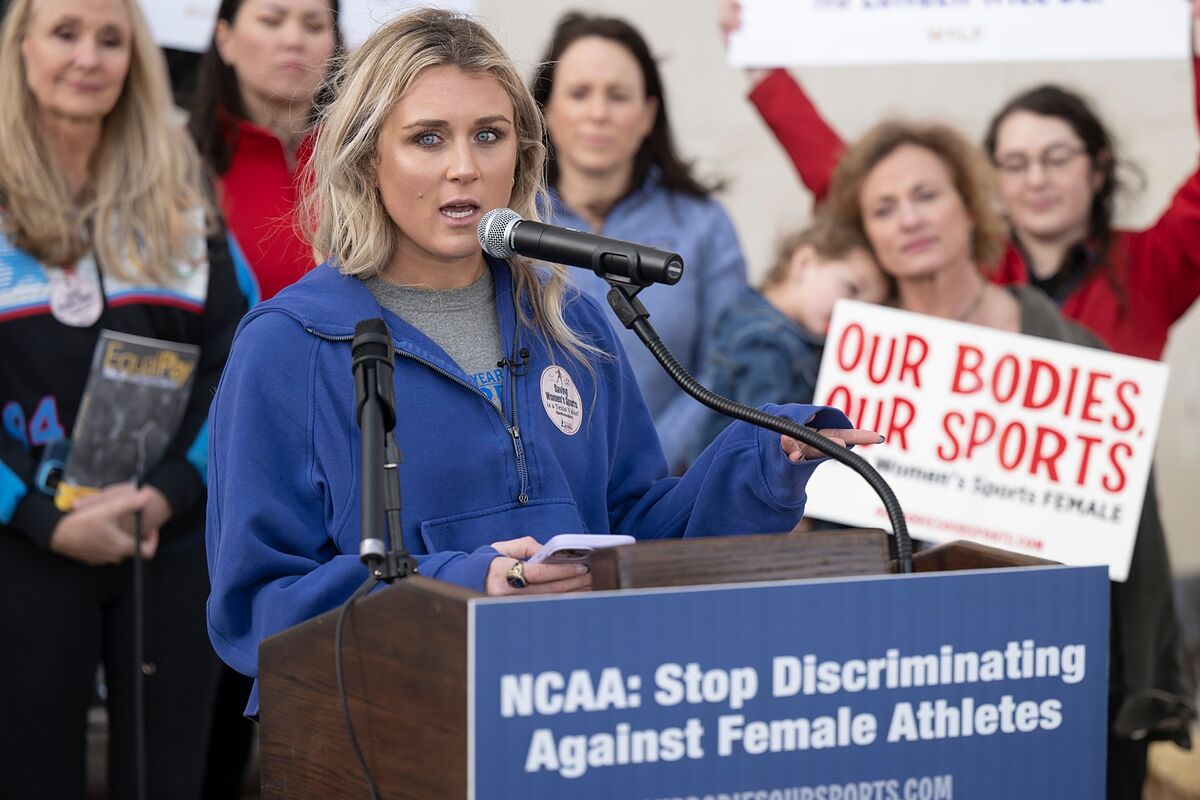
Riley Gaines:
College swimmer who competed against Lia Thomas faces threats, protests, and physical assault for speaking about her experience.
What Sports Organizations Are Doing
Different sports organizations have adopted varying policies:
International Olympic Committee (2021): | Under the IOC’s new policy on the women’s category:
|
World Athletics (Track and Field): | Transgender women who have undergone male puberty are not eligible to compete in the female category in international competition.
|
Swimming (FINA/World Aquatics): | In 2022, implemented policy requiring males to have transitioned before age 12 (before male puberty) to compete in women's elite events. Also created "open category" for those who don't meet criteria. This is the most protective policy for female athletes among major sports organizations. |
Rugby: | Transgender women are not permitted to participate in elite women’s rugby competitions.
|
The Trend: | Organizations are being pressured—through lawsuits, advocacy campaigns, and media pressure—to adopt more "inclusive" policies allowing male participation with fewer restrictions. Sports organizations often cave to this pressure despite evidence that such policies undermine fair competition for females. |
In 2024, Alberta passed the Fairness and Safety in Sport Act, the first provincial legislation in Canada addressing this issue.
Aims to preserve fairness and safety in women's sports
Remains vague on specific implementation
Faces legal challenges from activists
The Significance:
Alberta's legislation represents recognition that:
This is a legitimate policy issue requiring governmental response
Fairness in women's sports deserves legal protection
Safety concerns in contact sports are real
However, the act's vagueness and ongoing legal challenges mean its practical impact remains uncertain.
How female sport was opened to male athletes — and what is being done about it
A series of policy decisions over two decades systematically removed the sex-based protections that make women's sport possible. Click any event to read the detail and access the official source.
The False Framing
This debate is often framed as "transgender rights vs. women's rights" or "inclusion vs. exclusion." This is false framing.
What's at stake is whether they can compete in categories reserved for biological females—categories that exist specifically because of male physical advantages.
The Real Issue: | Not About: |
|---|---|
The question isn't whether transgender individuals deserve dignity and respect. They do. That's About:
| Anyone's humanity or dignity
Males who identify as women can compete in:
|
What Policy Should Look Like
Protecting fair competition for female athletes doesn't require excluding anyone from sports entirely.
Female Sex-Based Categories: | Women's sports categories should be reserved for biological females. This is why these categories exist. |
Open Categories: | Male categories can become "open" categories where anyone can compete. This provides opportunity for all while protecting female-specific categories. |
Additional Categories Where Feasible: | Some sports might create additional categories (similar to weight classes in some sports) where feasible and appropriate. |
Safety First in Contact Sports: | In sports involving physical contact, safety must be prioritized. Male participation in female contact sports creates unacceptable injury risk. |
Recreational vs. Elite: | Organizations might distinguish between recreational leagues (where different priorities around inclusion might apply) and elite/competitive leagues (where fairness and safety require sex-based categories). |
This isn't just about sports—it's about what women's sports represent.
Women's Sports as Achievement:
Women's sports categories were hard-won. They represent recognition that:
Women deserve athletic opportunities
Female achievement deserves celebration
Fair competition requires sex-based categories
Allowing males to dominate women's sports erases these achievements and returns to an era when female athletic excellence was impossible.
Title IX and Similar Protections:
In the U.S., Title IX requires equal athletic opportunities for women. Similar principles exist in Canadian equity law.
These protections were created specifically to ensure females—as a sex class—had opportunities to participate in athletics. Allowing males to take these opportunities violates the spirit and purpose of these protections.
Role Models and Inspiration:
Young girls need to see women achieving athletic excellence. When males dominate women's sports, those role models disappear.
Girls learn: even in categories supposedly reserved for you, males will outperform you. This is demoralizing and discouraging for female athletic participation.
The Path Forward
Protecting women's sports requires:
Legal Protections: Legislation protecting sex-based categories in women's sports, similar to Alberta's attempt but more comprehensive and clear.
Sports Organization Reform: National and international sports bodies must prioritize fairness for female athletes over ideological pressure.
Protection for Speakers: Athletes, coaches, and parents who raise fairness concerns must be protected from retaliation.
Public Education: Many people don't understand the magnitude of male physical advantages or why testosterone suppression doesn't eliminate them. Education about sports biology is needed.
Standing Firm: Sports organizations must resist pressure to sacrifice female athletes' fairness on the altar of inclusion ideology.
Conclusion
Women's sports exist because biological sex creates athletic differences that make fair competition between males and females impossible in most sports.
This isn't opinion—it's measurable, observable reality.
Policies allowing males to compete in women's categories based on identity or limited testosterone suppression:
Undermine fair competition
Take opportunities from female athletes
Erase female achievement
Create safety risks in contact sports
Violate the purpose of sex-segregated sports
Female athletes deserve:
Fair competition against similarly-situated competitors
Opportunities earned through their training and talent
Physical safety in their sports
Recognition for their achievements
The right to speak about fairness without career destruction
None of this requires denying transgender individuals' humanity or excluding them from sports entirely. But it does require maintaining sex-based categories for female sports—the very reason those categories exist.
Women fought for decades for the right to compete, to achieve athletic excellence, to be recognized for their accomplishments. We cannot allow those victories to be erased by policies that treat fairness for females as negotiable.
Fair play isn't too much to ask. It's the foundation of sport itself.
Women's sports must remain for women—biological females. That's not discrimination. That's what makes women's sports possible at all.
What's Being Lost
Fair competition |
|
Safety in contact sports |
|
Scholarships and advancement |
|
Privacy in locker rooms |
|
Ability to speak out |
|
Affected Populations
The scale of male participation in female sport
Women's sport exists as a separate category because male puberty confers permanent physiological advantages that make fair competition impossible. These numbers document what happens when that boundary is removed — real female athletes losing real opportunities to male competitors.
References
Alberta Fairness and Safety in Sport Act. (2024). Government of Alberta. Retrieved from https://www.alberta.ca/
International Olympic Committee. (2026). International Olympic Committee announces new policy on the protection of the female women’s category in Olympic sport. Olympics.com. https://www.olympics.com/ioc/news/international-olympic-committee-announces-new-policy-on-the-protection-of-the-female-women-s-category-in-olympic-sport
World Rugby. (2021). Transgender women guideline. https://www.world.rugby/the-game/player-welfare/guidelines/transgender/women?lang=en
World Aquatics. (2023). Policy on eligibility for the men’s and women’s competition categories. https://resources.fina.org/fina/document/2023/03/27/dbc3381c-91e9-4ea4-a743-84c8b06debef/Policy-on-Eligibility-for-the-Men-s-and-Women-s-Competiition-Categrories-Version-on-2023.03.24.pdf
World Athletics. (2025). Regulations for the implementation of eligibility rule 3.5 (Male and Female Categories).https://worldathletics.org/download/download?filename=0a7afe9e-9998-4cbc-a8c5-82c0ac5a80c6.pdf&urlslug=C3.5A+-+Regulations+for+the+Implementation+of+Eligibility+Rule+3.5+%28Male+and+Female+Categories%29%2C+effective+01+SEP+2025
Handelsman, D. J., Hirschberg, A. L., & Bermon, S. (2018). Circulating testosterone as the hormonal basis of sex differences in athletic performance. Endocrine Reviews, 39(5), 803-829. https://doi.org/10.1210/er.2018-00020
Harper, J., O'Donnell, E., Sorouri Khorashad, B., McDermott, H., & Witcomb, G. L. (2021). How does hormone transition in transgender women change body composition, muscle strength and haemoglobin? Systematic review with a focus on the implications for sport participation. British Journal of Sports Medicine, 55(15), 865-872. https://doi.org/10.1136/bjsports-2020-103106
Hilton, E. N., & Lundberg, T. R. (2021). Transgender women in the female category of sport: Perspectives on testosterone suppression and performance advantage. Sports Medicine, 51(2), 199-214. https://doi.org/10.1007/s40279-020-01389-3
Save Women's Sports. (2024). Athlete testimonials and policy advocacy. Retrieved from https://www.savewomenssports.com/
Tucker, R., & Collins, R. (2020). What is the relationship between gender identity and sport performance? British Journal of Sports Medicine, 54(3), 1-3. https://doi.org/10.1136/bjsports-2019-101649
Women's Sports Policy Working Group. (2024). Preserve Title IX: Protecting female athletes. Retrieved from https://www.womenssportspolicy.org/
World Athletics (formerly IAAF). (2023). Eligibility regulations for the female classification. Retrieved from https://www.worldathletics.org/