Fairness and Safety in Sport Act
Royal Assent December 5, 2024 — In force September 1, 2025 | Shielded by notwithstanding clause December 10, 2025 | No Charter challenge filed as of May 2026
Related Federal Legislation
Protecting Women's Sport in Alberta: What the Fairness and Safety in Sport Act Does and Why It Matters
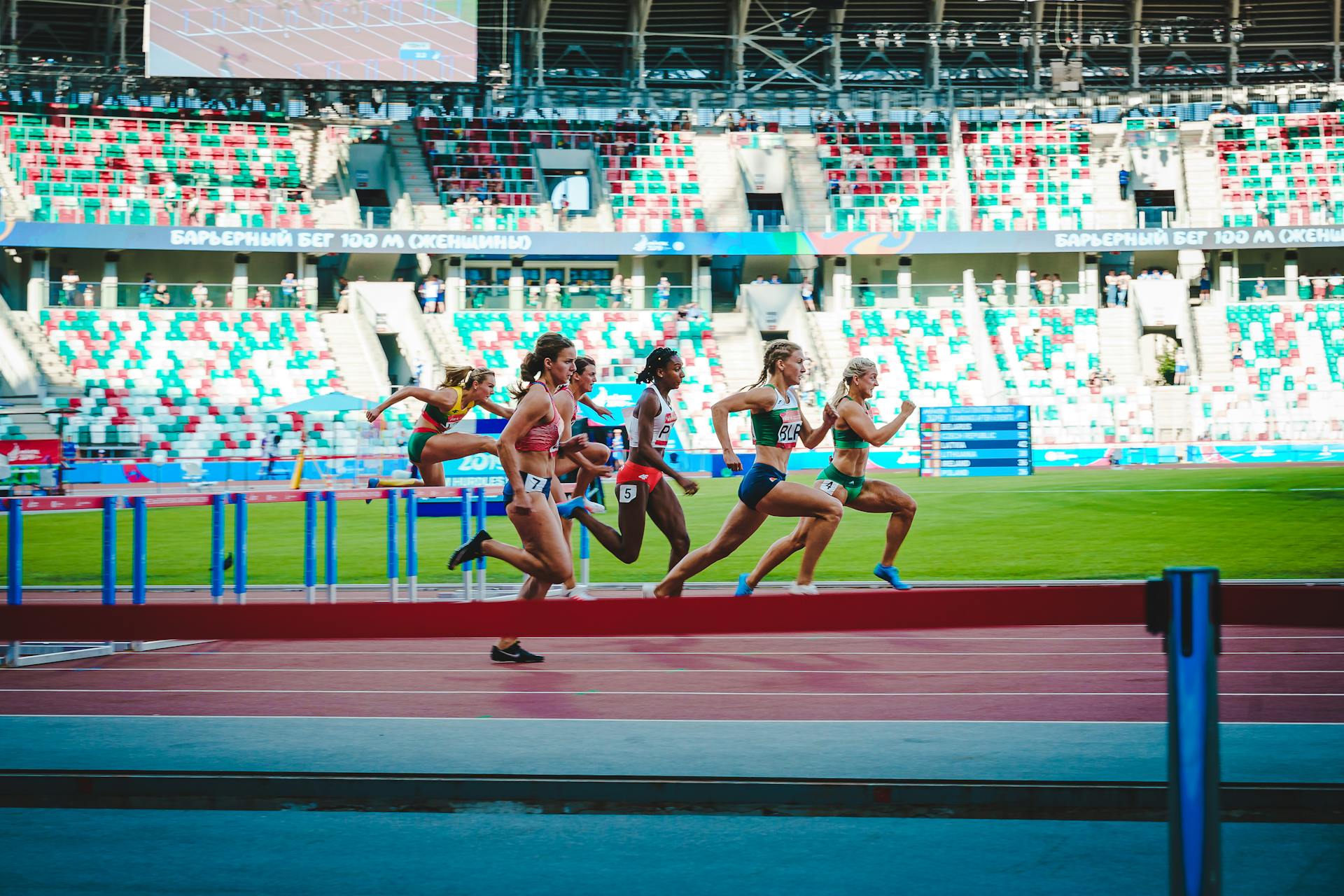
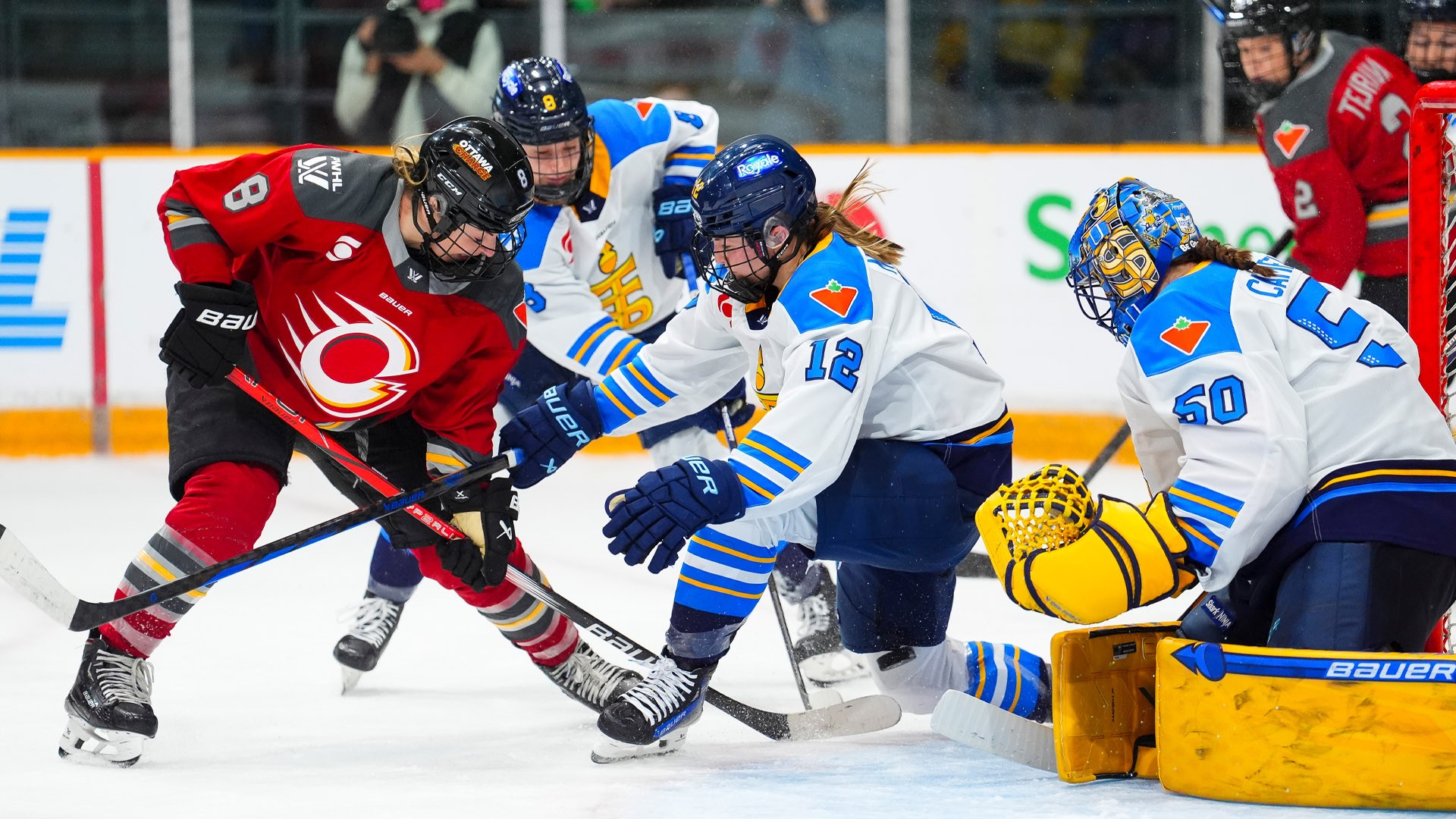
Women's sport categories were not invented arbitrarily. They were created in recognition of a biological reality: that male puberty produces physiological changes — in skeletal structure, muscle mass, lung capacity, heart size, and oxygen-carrying capacity — that give male-bodied athletes measurable and persistent advantages over female-bodied athletes in most competitive sports. Without sex-separated categories, female athletes would not win. They would not hold records. They would not receive scholarships, athletic development opportunities, or the recognition that competitive sport provides. The female category exists because without it, the female athlete effectively ceases to exist in competitive sport.
Alberta's Fairness and Safety in Sport Act, which came into force on September 1, 2025, legislates this reality. It requires that female sport divisions in Alberta schools, universities, and provincial sport organizations be limited to biological females. It is the first Canadian statute to do so explicitly. As of May 2026, it is in force, shielded from Charter challenge by the notwithstanding clause, and has been implemented by sport organizations across the province including Athletics Alberta.
This is the story of what the Act does, what evidence underlies it, and why the protection of female sport categories is a women's rights issue, not merely an administrative one.
The Physiological Case for Sex-Separated Sport
The physiological differences between male and female bodies are not controversial in sports science. They are documented, quantified, and form the basis of elite athletic competition standards globally.
Males who go through male puberty develop, on average, approximately 40% greater upper body strength than females, 30% greater lower body strength, higher haemoglobin levels that increase oxygen-carrying capacity, greater bone density and skeletal robustness, larger hearts and lungs relative to body size, and faster muscle fibre recruitment. These differences are not primarily driven by testosterone levels in adulthood — they are structural changes produced by male puberty that persist regardless of subsequent hormonal modification.
The implications for sport are direct and measurable. The performance gap between elite male and elite female athletes across most sports is approximately 10 to 12 percent. In some events it is larger. This gap exists not because female athletes train less or compete less seriously, but because the physiological differences produced by male puberty create biomechanical advantages that training cannot overcome.
The question of whether male-to-female transgender athletes retain these advantages after hormone therapy has been studied, and the evidence is consistent: significant physiological advantages persist for years after transition, even with testosterone suppression. A 2021 study published in the British Journal of Sports Medicine found that transgender women who had undergone at least two years of hormone therapy retained significant advantages in running speed and strength tests compared to cisgender women, with the advantages reducing only modestly over that period. The International Swimming Federation concluded in 2022 that it was not possible for male-to-female transgender athletes to transition without retaining a performance advantage and restricted its elite women's category accordingly.
Bill 29 rests on this evidence base. It does not rest on hostility to transgender people. It rests on the recognition that female sport categories serve a purpose — protecting fair competition for biological females — and that purpose is undermined when biological males compete in them regardless of gender identity.
What the Act Actually Does
The Fairness and Safety in Sport Act applies to a defined set of in-scope entities: provincial sport organizations listed in the Act's regulation, public post-secondary institutions, independent academic institutions, and school authorities with students of the relevant age.
Those entities are required to ensure that female sport leagues and divisions — any league, division, or category designated for female athletes — are limited to participants whose sex recorded at birth is female. This means that biological sex, not gender identity, determines eligibility for female sport categories in Alberta's covered organizations.
The Act operates on a complaint-based eligibility challenge system, not a documentation-at-registration requirement. Athletes are not required to produce a birth registration document when they register to compete. Documents are only required if an athlete's eligibility is challenged in writing. A challenge must be made to the board of the in-scope entity that received the athlete's registration. Organizations that fail to comply with the Act's requirements can be barred from games, tournaments, and practices.
The Act also requires that its covered entities establish formal athlete eligibility policies consistent with its provisions — creating a documented compliance framework rather than relying on informal practice.
What the Act does not do is prohibit transgender athletes from competing. It requires that they compete in categories consistent with their biological sex. A transgender woman who is biologically male would compete in male or open categories. A transgender man who is biologically female would be eligible to compete in female categories. The Act protects the female category; it does not exclude transgender athletes from sport.
Why This Is a Women's Rights Issue
The protection of sex-separated sport categories is sometimes framed as a peripheral concern — a niche policy question affecting only a small number of athletes and a small number of sporting events. This framing understates what is at stake.
Female sport categories are not merely competitive conveniences. They are the mechanism through which female athletes access scholarships, athletic development opportunities, coaching pipelines, professional pathways, and the public recognition that competitive success provides. When a biological male who identifies as a woman wins a medal in a female category, the consequence is not abstract — a female athlete who trained for that result does not receive it. When a biological male who identifies as a woman holds a record in a female category, every female athlete whose performance falls short of that record is measured against a standard she did not create and cannot meet on equal physiological terms.
In contact sports, the stakes are not only competitive but physical. The size, strength, and skeletal robustness differences between male and female athletes create injury risks when biological males compete in female contact sport categories. These are not hypothetical concerns. Documented cases of injury in women's rugby, powerlifting, and other contact sports involving transgender women have been reported internationally.
For girls in Alberta schools specifically, the Act protects something fundamental: the ability to compete, to win, to hold records, and to receive recognition in a category where biological sex is the relevant variable. School sport is where female athletes develop — where they attract coaching attention, where they build the competitive records that lead to post-secondary scholarships, and where they establish the athletic identities that persist into adulthood. A policy that allows biological males to compete in girls' school sport categories does not merely affect the results of individual races and games. It reshapes the entire developmental environment for female athletes.
The Eligibility Challenge Process and Its Critics
The complaint-based eligibility challenge process in the Act has drawn criticism, most notably from Egale Canada, which described it as requiring all girls and young women in Alberta sport to be subject to potential scrutiny of their bodies.
That characterization misrepresents how the process works. Athletes are not required to produce birth registration documents at registration. Documents are required only when a specific, written eligibility challenge is filed against a specific athlete. The challenge process is a mechanism for resolving disputes about eligibility, not a universal documentation requirement applied to all female athletes.
The criticism reveals the underlying tension in the debate about the Act: in order to protect the female sport category, there must be some mechanism for verifying that participants in that category are biological females. Any such mechanism will be characterized by opponents as invasive. The alternative — abandoning eligibility verification entirely — would make the female category meaningless, because without verification, eligibility is determined solely by self-declaration.
Alberta's Act chose a proportionate approach: verification only when challenged, through a formal written process. Organizations are not empowered to demand documentation spontaneously or to subject all female athletes to biological scrutiny. The process is triggered by a specific challenge, not by routine registration.
Implementation: Alberta Sport Organizations Respond
The Act came into force on September 1, 2025 and sport organizations across Alberta moved to implement it. Athletics Alberta, the provincial governing body for track and field, implemented a Fairness and Safety in Sport Policy consistent with the Act's requirements, establishing female-only divisions based on biological sex and building the eligibility challenge process into its governance framework.
The implementation was not without friction. U Sports, the governing body for Canadian university athletics, had stated during the bill's passage that it was unlikely to bring future championship competitions to Alberta if the legislation became law. As of May 2026, the practical consequences of that position for Alberta universities remain to be seen.
The Act's reach into post-secondary institutions created particular complexity, as university sport programs operate under both provincial jurisdiction and U Sports governance frameworks that may create conflicting requirements. That tension has not yet been resolved definitively.
Bill 9 and the Notwithstanding Clause
When Bill 9 was introduced on November 18, 2025 and passed on December 10, 2025, it extended the notwithstanding clause protection to the Fairness and Safety in Sport Act alongside Bills 26 and 27. This was notable because, unlike Bills 26 and 27, no legal challenge had been filed against Bill 29 at the time of Bill 9's tabling.
The government's rationale was consistent with its broader approach: it did not want to return to the legislature multiple times to invoke the notwithstanding clause as challenges materialized. By shielding all three bills simultaneously, it eliminated the litigation uncertainty that had allowed the Bill 26 injunction to temporarily suspend that legislation's operation.
Egale Canada had stated its intention to challenge Bill 29 and had condemned the Act in strong terms on September 5, 2025, when it came into force. The preemptive notwithstanding clause extension to Bill 29 effectively foreclosed Charter-based challenges before they were filed, removing the possibility of an injunction similar to the one that had temporarily suspended Bill 26.
As of May 2026, no legal challenge to Bill 29 has been filed. The Act is in force. Female sport divisions in Alberta's covered organizations are restricted to biological females.
What Happens Next
Egale Canada's stated intention to challenge Bill 29 has not yet materialized in filed legal proceedings as of May 2026. With Charter grounds foreclosed by Bill 9, any challenge would need to proceed on the same non-Charter constitutional grounds being pursued in the Bill 26 litigation — federalism arguments asserting that the provincial legislation encroaches on federal jurisdiction, or arguments grounded in the primacy of the Alberta Human Rights Act.
The broader national and international context for the Act continues to shift in ways that support its underlying premise. The World Athletics governing body has restricted its female categories to athletes whose testosterone levels fell below a defined threshold before the age of five — effectively excluding most male-to-female transgender athletes from elite women's competition. World Aquatics has restricted its elite female category similarly. National governing bodies in rugby, cycling, swimming, and other sports have moved in the same direction.
Canadian sport policy has not followed this international direction at the federal level. Alberta's Act represents a provincial legislative assertion of the principle that is being implemented internationally through governing body policy. The interaction between provincial law and national sport governance frameworks will continue to develop as those frameworks update their own policies in response to the accumulating international consensus.
Conclusion: The Female Category Is Not Negotiable
The Fairness and Safety in Sport Act rests on a straightforward proposition: that female sport categories exist to protect fair competition for biological females, and that this purpose is defeated when biological males compete in them regardless of gender identity.
That proposition is not hostile. It does not claim that transgender people are unworthy of dignity, support, or inclusion in sport. It claims that the inclusion of biological males in female sport categories harms female athletes in ways that are measurable, documented, and unjust — and that a legislature has both the authority and the responsibility to prevent that harm.
Alberta has exercised that authority. As of September 1, 2025, female athletes in Alberta schools, universities, and provincial sport organizations compete in categories that are reserved for biological females. The female category, in Alberta, means something. That is not a small thing. For the girls who compete, train, and dream in Alberta sport, it is the foundation on which everything else rests.
Key Provisions
Required provincial sport organizations, public post-secondary institutions, independent academic institutions, and school authorities to ensure female sport leagues and divisions are limited to biological females — athletes whose sex recorded at birth is female.
Established a complaint-based eligibility challenge process: athletes are not required to produce a birth registration document at registration, but must do so if their eligibility is challenged in writing.
Organizations that fail to comply may be barred from games, tournaments, and practices.
Shielded from Charter challenges under sections 2 and 7 through 15, and from the Alberta Bill of Rights and Alberta Human Rights Act, through Bill 9's notwithstanding clause invocation in December 2025.
Ministerial Chain of Custody:
Bill 29 was introduced on October 31, 2024 as part of the same legislative package as Bills 26 and 27. It received Royal Assent on December 5, 2024 and came into force on September 1, 2025, alongside a supporting regulation that specified the in-scope provincial sport organizations and the eligibility challenge process.
Danielle Smith has served as Premier of Alberta since October 2022. She announced the intention to introduce fairness-in-sport legislation in January 2024 and characterized it as a matter of fundamental fairness for female athletes at every level of Alberta sport. Her government's decision to include Bill 29 within the Bill 9 notwithstanding clause invocation in December 2025 — despite no legal challenge having been filed against the Act at that point — reflects a judgment that preemptive constitutional protection was preferable to the uncertainty created by the Bill 26 injunction experience. Under her leadership, Alberta became the first Canadian province to legislate biological sex as the basis for female sport category eligibility.
Mike Ellis served as Minister of Tourism and Sport at the time of Bill 29's introduction and passage and bears primary ministerial responsibility for the legislation. As the portfolio minister responsible for sport in Alberta, Ellis oversaw the development of the Act's regulatory framework, including the specification of in-scope provincial sport organizations and the complaint-based eligibility challenge process. The implementation challenge of aligning the Act's requirements with existing national sport governance frameworks — including U Sports, which governs university athletics — fell within his portfolio. Ellis was the minister of record when the Act came into force on September 1, 2025 and when provincial sport organizations including Athletics Alberta implemented their compliance policies.
Mickey Amery served as Minister of Justice and Attorney General and bears the same constitutional accountability for Bill 29 as for Bills 26 and 27. The decision to include Bill 29 in Bill 9's notwithstanding clause invocation — despite no filed legal challenge — was a deliberate legal strategy developed under his ministerial authority. His public statement that Bill 9 would terminate all ongoing court action and prevent new challenges for five years applied equally to all three bills, including Bill 29.
U Sports, as the national governing body for Canadian university athletics, bears institutional accountability for the friction between its own transgender inclusion policies and the requirements of the Fairness and Safety in Sport Act. U Sports' statement that it was unlikely to bring future championships to Alberta if the Act became law represents a posture of institutional resistance to a provincial legislative requirement that applies to Alberta universities as in-scope entities. The resolution of that conflict — between provincial statute and national governing body policy — remains an open question as of May 2026.
References:
Bill 29, Fairness and Safety in Sport Act, 1st Sess, 31st Leg, Alberta, 2024 (Royal Assent 5 December 2024; in force 1 September 2025), online: https://open.alberta.ca/publications/f02p5.
Bill 9, Protecting Alberta's Children Statutes Amendment Act, 2025, 2nd Sess, 31st Leg, Alberta, 2025 (Royal Assent 10 December 2025), invoking Canadian Charter of Rights and Freedoms, s 33.
Fairness and Safety in Sport Regulation, Alta Reg (2025).
Government of Alberta, "Ensuring Fairness and Safety in Sport," online: https://www.alberta.ca/ensuring-fairness-safety-and-inclusivity-in-sport.
Government of Alberta, "Fact Sheet: Fairness and Safety in Sport" (September 2025), online: https://www.alberta.ca/system/files/ts-fairness-and-safety-in-sport-fact-sheet.pdf.
Athletics Alberta, "Fairness and Safety in Sport Policy" (September 2025), online: https://athleticsalberta.com/fairness-and-safety-in-sport-policy-update/.
Egale Canada, "Egale Canada Condemns Alberta's Fairness and Safety in Sport Act (Bill 29)" (5 September 2025), online: https://egale.ca/egale-in-action/condemn-bill29-sept5/.
Canadian Charter of Rights and Freedoms, Part I of the Constitution Act, 1982, being Schedule B to the Canada Act 1982 (UK), 1982, c 11, ss 2, 7, 15, 33, online: https://laws-lois.justice.gc.ca/eng/const/page-12.html.
Alberta Human Rights Act, RSA 2000, c A-25.5, online: https://www.qp.alberta.ca/documents/Acts/a25p5.pdf.
Canadian Bill of Rights, SC 1960, c 44, online: https://laws-lois.justice.gc.ca/eng/acts/c-12.3/.
Roberts, Thomas A et al, "Transgender Women in the Female Category of Sport: Perspectives on Testosterone Suppression and Performance Advantage" (2021) 51:17 British Journal of Sports Medicine 1401, online: https://bjsm.bmj.com/content/55/17/964.
World Aquatics, "World Aquatics Transgender Policy" (2022), online: https://worldaquatics.com/news/1692468/world-aquatics-open-category-explained.
World Athletics, "Eligibility Regulations for the Female Classification (Athletes with Differences of Sex Development)" (amended 2023).
French, Janet, "Alberta to invoke notwithstanding clause to shield 3 transgender bills from court challenges" CBC News (19 November 2025), online: https://www.cbc.ca/news/canada/edmonton/alberta-government-notwithstanding-clause-bills-9.6983786.
Canadian Bar Association Alberta Branch, "Response to Bills 26, 27 and 29" (December 2024), online: https://cba-alberta.org/our-impact/submissions/response-to-bills-26-27-and-29/.
University Affairs, "Proposed provincial legislation causes headaches for Alberta university athletics departments" (January 2025), online: https://universityaffairs.ca/news/alberta-university-athletics-in-limbo-following-proposed-provincial-legislation/.
Koshan, Jennifer, "Alberta's Bills Targeting Gender Diverse Youth: Comparisons, Constitutional Issues, and Challenges" (13 December 2024), online: ABlawg, http://ablawg.ca/2024/12/13/albertas-bills-targeting-gender-diverse-youth-comparisons-constitutional-issues-and-challenges/.
Blade, Linda and Kay, Barbara, Unsporting: How Trans Activism and Science Denial Are Destroying Sport (2021).