Regulated Professions Neutrality Act, 2025
Royal Assent December 9, 2025 | Awaiting proclamation
Protecting the Professional: What Alberta's Regulated Professions Neutrality Act Means for Women Who Speak

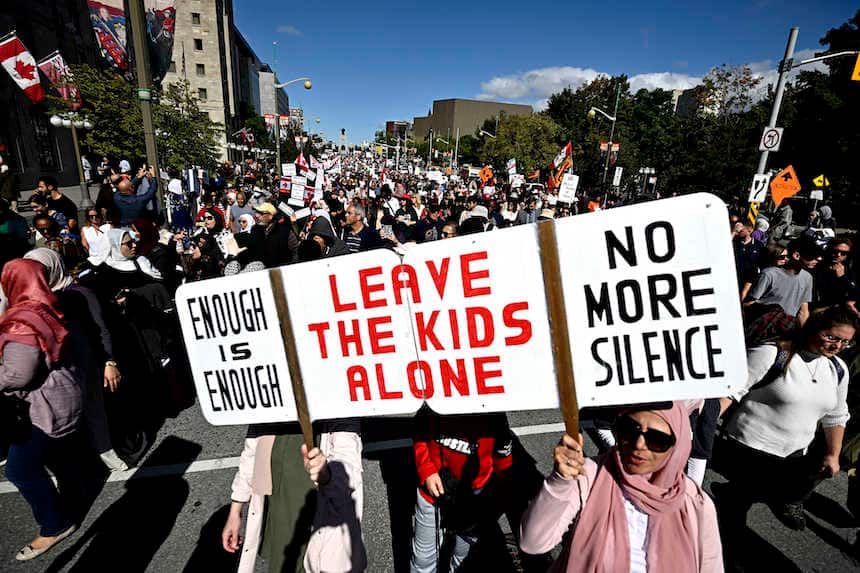
The disciplinary case that prompted Alberta's Regulated Professions Neutrality Act was not about a woman. It was about Dr. Jordan Peterson — a psychologist ordered by the College of Psychologists of Ontario to undergo mandatory social media training for posts and comments that the college deemed harmful, disparaging, and unprofessional. Peterson refused. The case attracted national and international attention. The Alberta government cited it explicitly when introducing Bill 13.
But the women whose professional lives the bill protects are not hypothetical. Across Canada, nurses, teachers, social workers, and healthcare professionals — predominantly women — have faced or risked regulatory consequences for expressing views that professional bodies characterised as incompatible with their obligations under equity and inclusion frameworks. Those views have not always involved conduct toward clients or patients. They have involved things said on personal social media accounts, at public events, in private conversations that became public, and in written submissions to government consultations. They have included the view that biological sex is real and relevant, that women's sex-based rights matter, that the female category in sport and medicine serves a purpose, and that children should not be medically transitioned without thorough assessment.
These are the views that mandatory DEI and cultural competency training has increasingly treated as unacceptable — not because they constitute professional misconduct in any meaningful clinical sense, but because they conflict with an ideological framework that has captured significant parts of Canada's professional regulatory infrastructure.
Bill 13 draws a line. Professional regulators exist to enforce standards of competence and ethics. They do not exist to police the beliefs of their members.
The Chilling Effect on Women Professionals
The pattern of regulatory action against professionals for off-duty speech predates the specific legislative trigger of the Peterson case. Women have been at the centre of it.
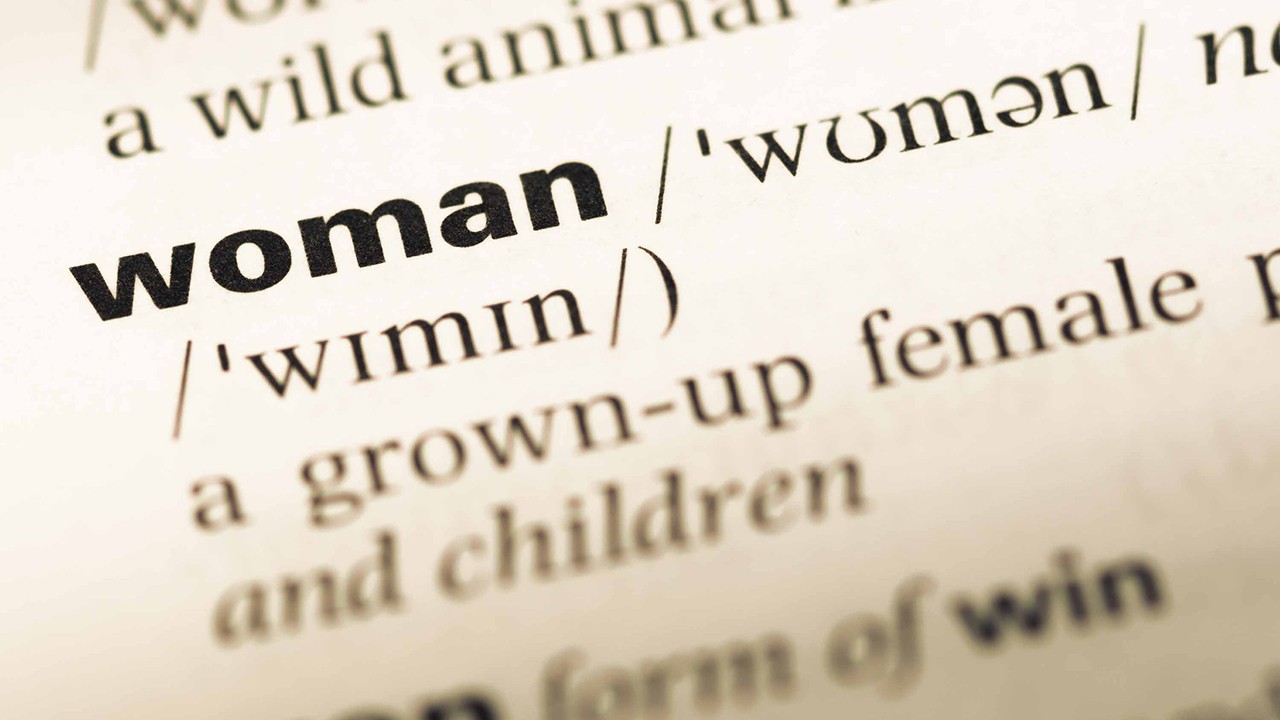
Nurses in multiple Canadian provinces have been investigated or faced discipline for social media posts expressing sex-realist views — that a woman is an adult human female, that biological males should not be housed in women's prisons, that girls should not undergo double mastectomies in their teens without thorough psychological assessment. In some cases investigations were initiated following complaints by colleagues or members of the public who disagreed with the views expressed. In others, regulatory bodies initiated proceedings on their own motion after becoming aware of a member's public statements.
Teachers have faced discipline from school boards and, in some jurisdictions, from teaching regulatory bodies for similar reasons — for statements made outside school hours, on personal accounts, about the importance of sex-based protections for women and girls. Social workers have faced fitness-to-practise concerns for advocacy positions taken in their personal capacity. Doctors have been reluctant to publicly question emerging gender medicine practices because the professional consequences of doing so — even when the questions are grounded in evidence — are unpredictable and potentially severe.
The cumulative effect of this regulatory environment is a chilling of legitimate professional speech. The women most directly affected are those whose professional expertise — in nursing, teaching, medicine, social work — is precisely the expertise needed in the public debate about sex-based rights, pediatric gender medicine, and the implementation of gender identity policies in institutions. When those professionals are silent because they cannot risk their livelihoods, the public debate is impoverished and the policies that result are less informed.
Bill 13 is, at its core, a protection against that chilling effect.
What the Act Actually Does
The Regulated Professions Neutrality Act introduces three categories of constraint on professional regulatory bodies in Alberta.
The first is the off-duty expression protection. Regulatory bodies are prohibited from investigating or disciplining a member for expressive conduct that occurs outside of working hours and the professional relationship with clients. This covers social media posts, public statements, attendance at events, participation in advocacy, and private communications that become public. The protection is not absolute — it does not cover conduct that constitutes a criminal offence, a threat of violence, sexual misconduct, or a direct violation of professional boundaries with a client. But within those limits, what a regulated professional says outside of work is not a matter for their regulator.
The second is the mandatory training restriction. Regulatory bodies are prohibited from requiring members to complete training in equity, diversity and inclusion, cultural competency, unconscious bias, or any other topic that addresses political, historical, social, or cultural issues unless the training is directly related to professional competence or minimum ethical standards and does not seek to dictate the range of acceptable or unacceptable opinions on any contested issue. Mandatory training that tells professionals what to believe — about gender identity, about historical responsibility, about systemic privilege — is prohibited. Training that teaches clinical skills directly relevant to practice is not.
The third is the neutrality requirement for regulators themselves. Regulatory bodies are prohibited from promoting equity-based principles and must take an official stance of neutrality on matters including gender identity, sexual identity, privilege, disadvantage, national origin, and matters of conscientious belief. A regulatory body cannot have an institutional position on whether sex or gender identity is the relevant category for clinical practice. It cannot promote the view that acknowledging biological sex is incompatible with professional obligations. It cannot treat one set of contested political views as professionally acceptable and another as grounds for discipline.
The Act also establishes that courts reviewing a regulator's compliance with these requirements apply the correctness standard — meaning courts do not defer to the regulator's interpretation of its own obligations. This is a significant departure from the deference that courts have typically extended to professional regulatory bodies and substantially strengthens the enforceability of the Act's protections.
The Jordan Peterson Catalyst and What It Revealed
Bill 13 was informally dubbed the Peterson Law almost immediately after its introduction, and the government did not discourage that characterisation. The College of Psychologists of Ontario's proceedings against Peterson — ordering him to undergo social media training or face suspension — was the most high-profile Canadian case of a regulatory body attempting to discipline a professional for off-duty speech. It generated significant public debate about whether professional regulatory bodies had exceeded their mandate.
But the Peterson case was not representative of the broader pattern. Peterson is a man with a significant public platform, substantial financial resources, and a national legal support network. He was able to resist the college's order and to bring the legal fight into the public arena. Most of the women professionals who have faced or risked similar proceedings have had none of those advantages. They have complied with regulatory investigations, modified their public speech, or left public advocacy entirely rather than risk their professional registration and income.
The lesson the Peterson case made visible was not that regulatory overreach was a new problem. It was that regulatory overreach had been happening quietly, at the expense of people with less capacity to resist it, for years. Bill 13 is the legislative response to that lesson — not to the specific case, but to the pattern it made legible.
The DEI Training Prohibition and Its Significance
The prohibition on mandatory DEI, cultural competency, and unconscious bias training is, in some respects, the most operationally consequential provision of Bill 13 for the day-to-day professional lives of regulated Albertans.
Mandatory DEI and cultural competency training in regulated professions has, over the past decade, increasingly incorporated content that treats gender identity as equivalent to biological sex for all professional purposes — that referring to a patient by their biological sex rather than their stated gender identity is a form of discrimination, that questioning gender medicine for children is evidence of bias, that acknowledging sex as a relevant clinical variable in certain contexts reflects an unacceptable worldview. That content is not clinically neutral. It embeds contested ideological positions about the relationship between sex and gender into mandatory professional training that professionals have no option to decline without risking regulatory consequences.
Bill 13 draws a clear line: mandatory training must be directly related to professional competence and minimum ethical standards. Training that tells professionals what to believe on contested political and social questions is not professional training. It is ideological instruction, and it has no place in the mandatory curriculum of a professional regulatory body.
For women professionals who have sat through such training — affirming ideological frameworks they find empirically dubious or ethically objectionable, with no ability to opt out — the prohibition is a direct relief.
What the Act Does Not Do
Bill 13 does not prohibit regulatory bodies from maintaining professional standards of conduct with clients and patients. A nurse who mistreats a patient on the basis of any characteristic — including gender identity — remains subject to regulatory action. A teacher who harasses a student for any reason remains subject to discipline. A doctor who refuses to treat a patient on the basis of political views can still face professional consequences.
The Act does not prohibit professionals from voluntarily undertaking training on any topic, including DEI and cultural competency. It prohibits mandatory training that addresses contested political, social, or ideological matters. Professionals who find such training valuable remain free to pursue it.
The Act does not prohibit regulatory bodies from maintaining codes of conduct governing professional relationships. What it prohibits is extending those codes into the off-duty personal lives and public speech of members. The professional relationship ends when the workday ends. What happens after that is a matter for the law of the land — not for the regulatory body.
The Connection to the Broader Legislative Package
Bill 13 sits within the same legislative trajectory as Bills 26, 27, 29, 9, and 25. Each addresses a different institutional setting — healthcare, schools, sport, the professional regulatory system — but the underlying concern is consistent: that ideological frameworks promoting the primacy of gender identity over biological sex have captured publicly funded and publicly authorised institutions in Alberta, and that the legislature has an obligation to reassert the neutrality and evidence-based character of those institutions.
For women's rights advocates, this connection is important. The same ideological framework that drove mandatory gender-affirmative clinical protocols for children, that normalised the social transition of students without parental knowledge, that allowed biological males to compete in female sport categories, also drove the professional regulatory environment in which nurses and doctors faced discipline for questioning those protocols, teachers faced consequences for speaking about the importance of biological sex, and social workers adjusted their public advocacy to protect their registrations.
Bill 13 addresses the enforcement mechanism. It makes it significantly harder for professional regulatory bodies to discipline the women professionals who have been the most direct witnesses to, and most vocal critics of, the policies that the rest of Alberta's legislative package addresses.
Conclusion: The Right to Speak From Experience
The women most affected by Alberta's broader legislative response to gender ideology are not only the girls who have been medicalized, the mothers excluded from their children's school accommodations, or the female athletes displaced by biological males. They include the nurses who raised concerns about pediatric hormone protocols and were investigated for it, the teachers who expressed views about parental rights on personal social media accounts and faced professional scrutiny, the doctors who questioned the evidence base for gender-affirming care and found themselves navigating regulatory risk for doing so.
Those women have professional expertise that is directly relevant to the public debate. They have clinical experience, institutional knowledge, and firsthand observation of what the policies under debate actually do in practice. The professional regulatory environment that developed over the past decade — in which expressing sex-realist views outside of work risked investigation, in which mandatory DEI training embedded contested ideological positions as professional obligations, in which regulators took institutional positions on contested political questions — systematically silenced the people best positioned to inform the public and their legislators.
Bill 13 restores their right to speak.
Key Provisions
Prohibits professional regulatory bodies from investigating or disciplining members for expressive off-duty conduct — including social media posts and public or private comments made outside of work — unless the conduct constitutes a criminal offence, a threat of violence, sexual misconduct, or a direct violation of professional boundaries with a client.
Prohibits regulators from requiring mandatory training in equity, diversity and inclusion, cultural competency, or unconscious bias.
Prohibits regulators from promoting equity-based principles or taking positions on gender identity, sexual identity, privilege, disadvantage, or matters of conscientious belief.
Requires regulators to apply neutrality toward all regulated professionals regardless of political, historical, social, or cultural views.
Establishes a correctness standard of judicial review — rather than deference — when a regulator's compliance with the Act or a professional's Charter or Alberta Bill of Rights protections is at issue.
The Act prevails over other legislation governing professional regulation in the event of inconsistency.
Ministerial Chain of Custody:
Danielle Smith has served as Premier of Alberta since October 2022 and bears ultimate political accountability for Bill 13. She announced alongside Justice Minister Amery at the bill's introduction that the government had been scrutinizing professional regulatory bodies for overreach affecting free speech for more than a year before the legislation was introduced. The bill is consistent with her government's broader direction: that publicly authorised institutions — schools, hospitals, sport organizations, professional regulators — must be neutral on contested ideological questions rather than acting as enforcers of a particular framework. Her government's decision to proceed with Bill 13 in the same legislative session as Bill 9's notwithstanding clause invocation reflects a comprehensive approach to the relationship between gender ideology and institutional authority in Alberta.
Mickey Amery served as Minister of Justice and Attorney General and introduced Bill 13 on November 20, 2025. As the minister responsible for the legislation's design and parliamentary management, Amery bears primary accountability for both its scope and its limits. His framing of the bill was explicitly connected to the Peterson precedent and to a pattern of cases in which regulatory bodies had pursued members for off-duty speech. His decision to apply the correctness standard of judicial review to the Act's enforcement provisions — rather than the deference standard that courts have traditionally applied to regulatory bodies — is the most technically significant element of the legislation and reflects a deliberate choice to give the Act real teeth rather than symbolic weight. Amery's dual accountability for both Bill 13 and Bill 9's notwithstanding clause invocation places him as the minister most responsible for the legislative architecture that protects both the speech rights of professionals who hold sex-realist views and the policies those views support.
Professional regulatory bodies across Alberta — including the College of Physicians and Surgeons of Alberta, the Alberta College of Nursing, the Law Society of Alberta, the College of Alberta Psychologists, and the Alberta Teachers' Association in its professional regulatory capacity — bear institutional accountability for the environment that Bill 13 was designed to address. The degree to which those bodies had extended their disciplinary jurisdiction into off-duty speech, required mandatory training embedding contested ideological positions, and taken institutional stances on contested political questions is the measure of how necessary the legislation was. Their responses to the Act — and the degree to which they comply with its requirements voluntarily versus requiring enforcement — will determine how much practical difference it makes to the regulated professionals whose speech it is designed to protect.
References:
Bill 13, Regulated Professions Neutrality Act, 2nd Sess, 31st Leg, Alberta, 2025 (Royal Assent 9 December 2025), online: https://docs.assembly.ab.ca/LADDAR_files/docs/bills/bill/legislature_31/session_2/20251023_bill-013.pdf.
Government of Alberta, "Protecting Freedom of Expression for Regulated Professionals" (2025), online: https://www.alberta.ca/protecting-freedom-of-expression-for-regulated-professionals.
Canadian Charter of Rights and Freedoms, Part I of the Constitution Act, 1982, being Schedule B to the Canada Act 1982 (UK), 1982, c 11, s 2(b), online: https://laws-lois.justice.gc.ca/eng/const/page-12.html.
Alberta Human Rights Act, RSA 2000, c A-25.5, online: https://www.qp.alberta.ca/documents/Acts/a25p5.pdf.
Alberta Bill of Rights, RSA 2000, c A-14, online: https://kings-printer.alberta.ca/1266.cfm?page=A14.cfm.
Canadian HR Reporter, "Alberta Pushes to Protect Free Expression in Regulated Professions" (21 November 2025), online: https://www.hrreporter.com/news/hr-news/alberta-pushes-to-protect-free-expression-in-regulated-professions/393764.
CBC News, "Alberta Aims to Curtail Regulatory Bodies from Sanctioning Workers for After-Hours Activities" (21 November 2025), online: https://www.cbc.ca/news/canada/edmonton/alberta-bill-regulated-professions-9.6986842.
Field Law, "An Overview of the Regulated Professions Neutrality Act and What It Means for Regulators" (6 January 2026), online: https://www.fieldlaw.com/insights/publication/an-overview-of-the-regulated-professions-neutrality-act-and-what-it-means-for-regulators.
Reynolds Mirth Richards and Farmer LLP, "Bill 13: Understanding Alberta's Regulated Professions Neutrality Act" (25 November 2025), online: https://rmrf.com/bill-13-understanding-albertas-regulated-professions-neutrality-act/.
MRoss Law, "The Implications of Bill 13: Alberta's Effort to Protect Free Expression in Regulated Professions" (25 November 2025), online: https://www.mross.com/what-we-think/article/the-implications-of-bill-13--alberta-s-effort-to-protect-free-expression-in-regulated-professions/.
Globe and Mail, "Alberta's Neutrality Law Redraws Professional Accountability" (2 January 2026), online: https://www.theglobeandmail.com/opinion/article-albertas-neutrality-law-redraws-professional-accountability/.
Alberta College of Family Physicians, "Message to Our Members: Statement on the Regulated Professions Neutrality Act (Bill 13)" (December 2025), online: https://acfp.ca/message-to-our-members-statement-on-the-regulated-professions-neutrality-act-bill-13/.
CUPE Alberta, "Bill 13 Targets Alberta Indigenous Communities" (21 January 2026), online: https://alberta.cupe.ca/2026/01/21/bill-13-targets-alberta-indigenous-communities/.
Justice Centre for Constitutional Freedoms, "Western Standard: Amend Regulated Professions Neutrality Act to Protect Free Speech and Professionalism Better" (2025), online: https://www.jccf.ca/western-standard-amend-regulated-professions-neutrality-act-to-protect-free-speech-and-professionalism-better/.
SAC, "Alberta Introduces Bill 13, the Regulated Professions Neutrality Act" (12 January 2026), online: https://www.sac-oac.ca/alberta-introduces-bill-13-the-regulated-professions-neutrality-act/.
Read More
text
Bill 26: Health Statutes Amendment Act, 2024
Alberta became the first Canadian province to legislatively ban puberty blockers, cross-sex hormones, and gender-affirming surgeries for minors under 18. After a brief court injunction, Bill 9's notwithstanding clause brought the legislation fully into force in December 2025. A federalism-based challenge was denied in May 2026; an appeal is pending.
text
Bill 27: Education Amendment Act, 2024
In force September 1, 2025, Bill 27 requires schools to notify parents and obtain written consent before using a student's chosen name or gender-identity pronouns, and mandates parental opt-in for instruction on gender identity and sexuality. Shielded from Charter challenge by Bill 9; a constitutional challenge on non-Charter grounds continues.